

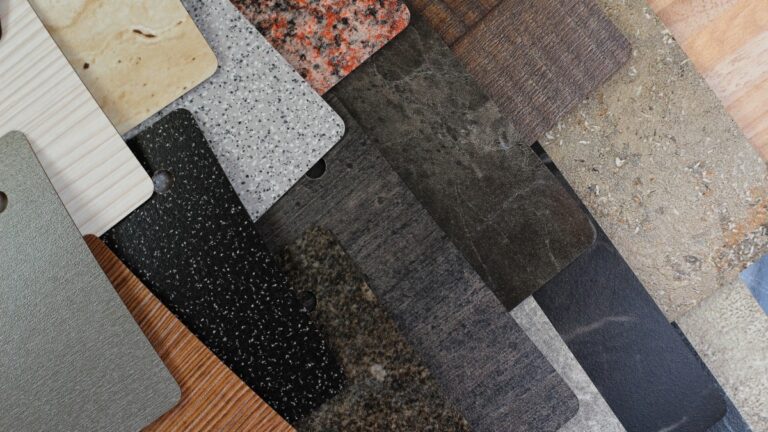

Marble countertops defined the luxury kitchen for decades. The soft white base, dramatic grey veining, and natural movement instantly elevate cabinetry and make even simple layouts feel refined.

But marble is still a soft, calcium-based stone. It reacts to acid, absorbs if not sealed properly, and scratches more easily than most people expect. In styled photos it looks pristine. In everyday kitchens, it requires restraint.
In 2026, luxury means impact without anxiety. Homeowners want the same architectural presence, depth, and resale appeal, but with surfaces that tolerate daily cooking, heat, spills, and real life.
The materials below deliver that balance. Some stay close to marble’s look. Others reinterpret luxury in a more durable way. And the final one shifts the conversation entirely.
Here are the eight strongest alternatives to marble countertops right now.
1. Quartzite

Quartzite is often mistaken for marble because some slabs look nearly identical. The difference is structure. Quartzite is significantly harder and more resistant to scratching and etching.
Why it competes:
- Natural stone authenticity
- Strong heat resistance
- Better scratch performance than marble
- Good resale perception
It still requires sealing, but it performs far better in high-use kitchens. For homeowners who love real stone but want less risk, quartzite is the closest luxury substitute.
2. Porcelain Slab

Large-format porcelain slabs now come in marble-inspired finishes with impressive realism. Unlike marble, porcelain is non-porous and does not require sealing.
Advantages:
- Resistant to heat and UV
- Strong stain resistance
- Low maintenance
- Works indoors and outdoors
The key is slab quality. Lower-end porcelain can look printed. Premium slabs offer depth and subtle veining that reads far more convincing.
3. Sintered Stone (Dekton-Type Surfaces)

Sintered stone is manufactured under high heat and pressure, creating a dense surface engineered for performance.
Why designers use it:
- Resistant to heat, stains, and scratches
- No sealing required
- Suitable for large waterfall islands
- Minimal long-term maintenance
It is not always cheaper than marble. The value is in resilience. In busy households, this material removes anxiety from daily use.
4. High-End Quartz

Quartz has matured. Premium brands now offer refined marble-look patterns with softer veining and warmer undertones.
Benefits:
- Non-porous surface
- Stain resistance
- Low maintenance
- Wide color control
Quartz lacks the random geological movement of natural stone, but it provides predictability and durability. For many buyers, that trade-off makes sense.
5. Granite

Granite remains one of the most durable natural stones used in kitchens. While older styles leaned heavily speckled, newer slabs feature softer movement and warmer tones.
Why it works:
- Strong heat resistance
- Scratch resistant
- More affordable than many marbles
- Proven long-term durability
Granite may not replicate marble’s soft veining exactly, but in neutral tones it can deliver comparable luxury without fragility.
6. Soapstone

Soapstone offers a completely different aesthetic. Deep charcoal, green-black tones, and subtle veining create a refined, understated look.
Performance profile:
- Non-porous
- Resistant to staining
- Handles heat well
- Develops a natural patina over time
It can scratch more easily than granite or quartzite, but those marks can often be sanded out. Soapstone works especially well in darker kitchens where marble would feel too bright.
7. Dolomite

Dolomite sits between marble and quartzite in hardness. It often carries soft grey veining that closely resembles classic marble.
Why some homeowners choose it:
- More durable than marble
- Less prone to etching
- Natural stone appeal
- Strong resale perception
It is not indestructible, but it offers a performance upgrade without abandoning marble’s aesthetic.
8. Patinated Metal (Brass or Bronze Countertops)

Metal countertops are not mainstream. That is exactly why they work.
Brass, bronze, or treated steel surfaces introduce weight, reflection, and warmth that stone cannot replicate. When finished with a patina or brushed texture, they stop feeling industrial and start feeling tailored.
Why it works:
- Extremely durable base material
- Heat resistant
- Develops character over time instead of staining
- Visually dramatic without looking synthetic
Unlike marble, metal does not etch from acid. It may mark, but those marks become part of the patina. In darker kitchens like the one in your image, a brass surface introduces warmth against black cabinetry and creates depth through subtle reflection.