

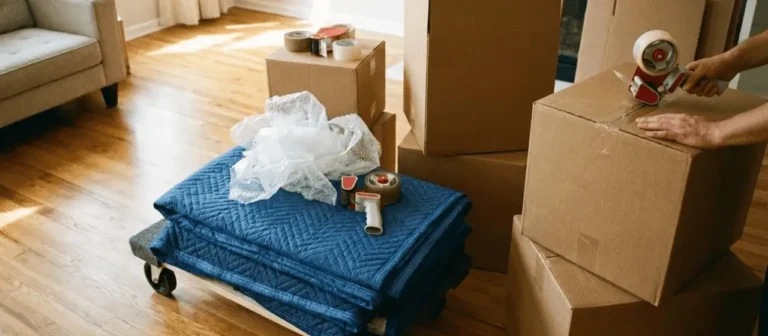

If you have ever tried to guess how many boxes it takes to pack up your entire home, you are not alone. Most people discover they need far more than they expected, usually somewhere in the range of 60 to 100 boxes, plus tape, bubble wrap, markers, and a handful of other essentials. Once everything is tallied up, supplies for a two-bedroom home often reach a few hundred dollars.
This guide walks you through what to buy, how much to get, and what the total might look like. You will also find a printable checklist and a few helpful tips from our team to make packing feel less chaotic. After thousands of moves, we have seen how the right supplies can turn a stressful job into something much more manageable.
Quick Checklist of Essential Moving Supplies
If you’re just looking for a quick answer about what you’ll absolutely need for a move before heading to the store, here’s the short list:
- Boxes (small, medium, and large): The essential packing material, for everything from books to bedding.
- Packing tape: The strong, sticky kind that keeps your boxes sealed tight. Look for types that are specifically designed for packing.
- Bubble wrap or packing paper: This helps cushion fragile items so they make it to your new place in one piece.
- Permanent markers: Used to label boxes by contents and room so you won’t have to guess later.
- Scissors or a utility knife: You’ll use these to cut tape, bubble wrap, and for many more tasks than you think.
- Trash bags: These are handy for soft stuff like clothes, towels, and bedding.
- Moving blankets or pads: Used to keep furniture and floors scuff-free.
- Stretch wrap: This is ideal for wrapping drawers, appliances, and other items that may shift.
You can also download our full printable moving supplies checklist here to take with you while you shop.
The Full Packing Supplies List
Most people don’t realize how much they actually own until everything has to be packed into boxes, but the good news is that packing gets a lot easier when you have the right materials on hand. With a little preparation, you can turn a big, messy job into something simple and organized. Here’s what to grab before you start.
Core Packing Materials
It’s always best to have the right materials on hand and ready to go. Here are the basics that’ll keep your things safe and make the packing process feel a little less stressful.
Moving boxes (small, medium, large, and specialty)
Boxes are the starting point for every move. Use small ones for heavy things like books and pantry cans, medium boxes for kitchen gear or electronics, and large ones for lighter items like bedding or pillows. You can also get specialty boxes to help with specific items. Wardrobe boxes make moving clothes easy, and sturdy specialty boxes give TVs, mirrors, and other fragile pieces a little extra care.
Try our Moving Box Calculator to get a quick estimate for your home size, or check our Moving Boxes Size Guide for a breakdown of what works best.
Bubble wrap vs. packing paper
It is easy to think that bubble wrap and packing paper do the same job. They can both be used to wrap things, but they actually serve different purposes. Bubble wrap gives fragile or odd-shaped items the cushion they need, and packing paper fills the empty gaps that keep items from sliding around. Most people end up using both because they work together to protect your things. You can learn more in Bubble Wrap 101.
Packing peanuts and foam sheets
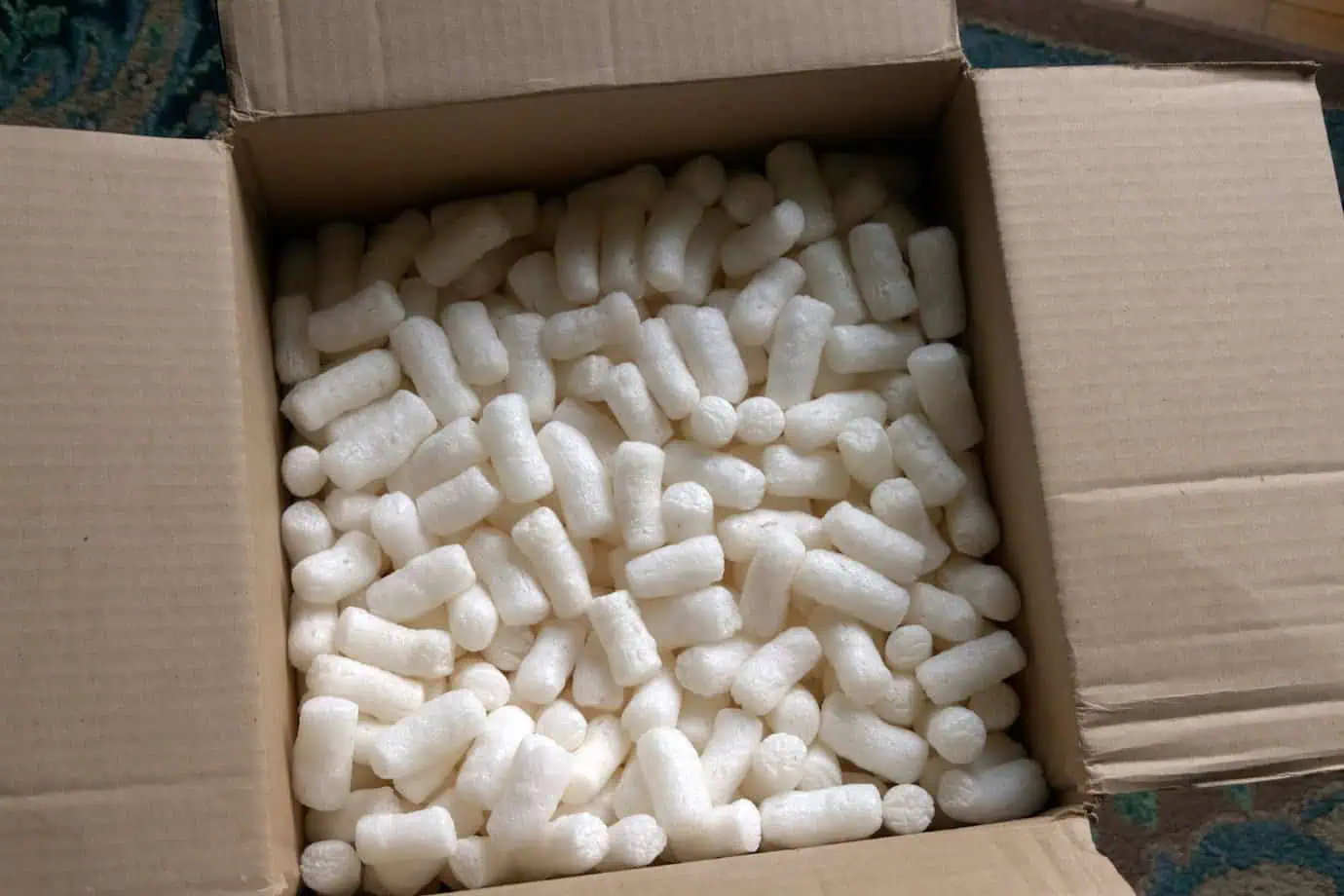
Much like packing paper, these items are used to prevent items from knocking into each other while they’re being moved, and they make a big difference. Foam sheets are typically used to slide between plates and picture frames, and peanuts fill gaps in boxes and other containers to cushion items and keep them in place.
Labeling system
The more detailed your labels are, the easier unpacking becomes. Use bright stickers or colored tape to flag each room, then write a clear description on at least two sides of the box. Something like “Guest bedroom, patterned queen bedset” will help you find things much faster than a simple “bedding” note.
Specialty Packing Supplies
Some things need more care than the usual box and tape setup in order to arrive safely at your new place. Investing in a few specialty supplies can save you from damage that’s expensive (and frustrating) to fix later.
TV and picture boxes
Flat-screen TVs, framed art, and mirrors don’t typically fit into regular boxes. Get sturdy, fitted boxes that match your screen size, and add foam or cardboard around the edges to prevent shifting. Once everything’s wrapped and secure, tape it up and keep it upright in the truck. For a full walkthrough, see How to Pack a TV.
Dish barrels and glass dividers
Anything fragile in your kitchen probably needs extra attention. Dish barrels and glass divider kits have thick walls and built-in sections that keep plates and glasses from bumping together.
“If you rent one thing, make it a dolly. It lets you stack boxes, move heavy furniture, and roll everything onto the truck with far less effort.”
They’re especially helpful if you’re moving long-distance or packing well in advance. Take a look at our Dishpacks and Glass Packing Tips for more information on how to keep breakable kitchen items safe.
Mattress covers
If you’ve ever moved a mattress without one, you know why these matter. A simple plastic or zippered cover keeps dust and dirt away, and it’s a must if rain’s in the forecast or storage is part of your plan. Check out Packing a Queen Mattress: The Plan vs. Reality.
Shrink wrap for drawers and appliances
Shrink wrap keeps drawers closed, prevents scratches on shiny finishes, and holds loose pieces on furniture in place during transport. It’s quick to use and makes everything feel much more secure. You can also use it to keep things like moving blankets in place instead of tape. See why it’s worth grabbing in Why Shrink Wrap Is Essential for Moving.
Essential Tools and Equipment for Moving Day
Even the best-packed boxes won’t get far without the right tools to move them. The right equipment can save your back, your furniture, and even your walls from taking a beating on moving day. Whether you’re renting a truck, hiring labor-only movers, or doing it all yourself, having these essentials on hand makes the job smoother and safer.
Moving Equipment You Might Rent or Borrow
Hand truck or dolly
If you rent one thing, make it a dolly. It lets you stack boxes, move heavy furniture, and roll everything onto the truck with far less effort. If you have two helpers, renting a second dolly keeps the flow going because two people can move loads at the same time. For stairs, you usually need two people on one dolly for safety, so that is another reason to have an extra one nearby. Learn more in our Furniture Dolly Guide.
Furniture sliders
These little pads are worth their weight in gold. Just slide them under the legs or corners of a couch or dresser, and you can move your furniture across the floor without having to lift it or leave a single scratch behind.
Tie-down straps and rope
Once everything’s loaded, you’ll need to keep it secure. Straps and rope prevent boxes and furniture from sliding around in the truck. You should plan for at least 2 or 3 straps for a small move, and more for larger homes.
Lifting straps
Lifting straps give you leverage when carrying bulky furniture or navigating stairs. They reduce the strain on your arms and back while helping two people move in sync.
Utility knife and scissors
These are simple but essential tools. You’ll use them for cutting tape, trimming shrink wrap, or opening boxes on the other end. It’s best to keep one of these on hand while you pack and move for quick access.
Protective Items
Furniture pads or moving blankets
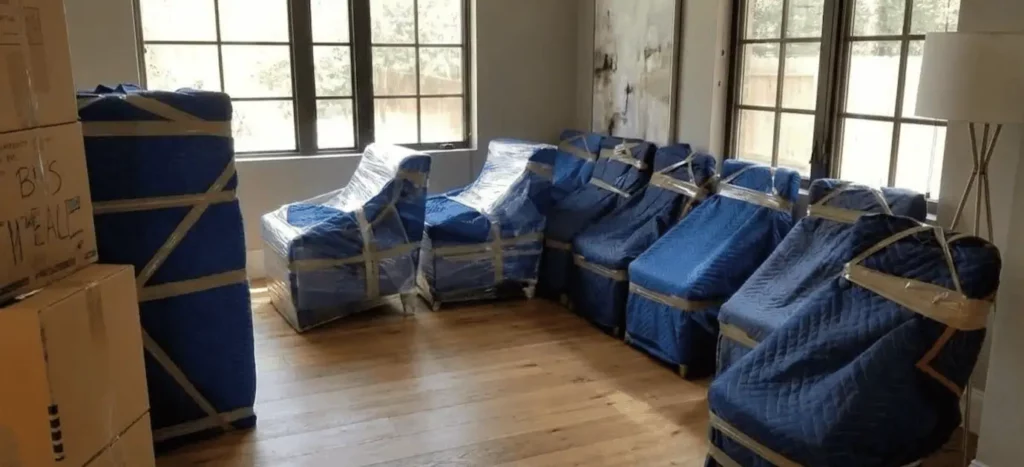
You can wrap furniture in these blankets as a good defense against dents and scratches. Typically, they can be rented from most truck rental locations or, if you move frequently, reusable ones are an option too.
Corner guards and floor runners
If you’re moving large furniture or appliances, these help protect your home’s walls and floors from scuffs. They’re especially helpful for tight stairways and narrow hallways.
Gloves for grip and safety
A solid pair of gloves prevents blisters, splinters, and dropped boxes. Look for gloves with a good grip to help with slippery surfaces or metal edges.
Moving can take a physical toll, so take care of yourself, too. Check out How to Take Care of Your Back While You Pack and The Hidden Health Toll of Moving for helpful safety tips before the big day.
Cleaning and Prep Supplies You’ll Need Before and After
There’s nothing better than unpacking in a clean home. And there’s nothing worse than leaving your old place looking like you disappeared mid-chaos. A quick cleanup before and after moving day makes both spaces feel good again, so make sure you consider these supplies important to get as well:
- Trash bags and recycling bins: Keep a few handy for last-minute clutter and piles of wrapping paper.
- All-purpose cleaner, paper towels, and rags: Perfect for wiping down counters, shelves, and other surfaces that collect dust.
- Broom, mop, and vacuum: You’ll be amazed by what’s been hiding under your couch, so use these items to get rid of anything that’s been covered by large pieces of furniture.
- Touch-up paint and spackling paste: Minor damage to walls is pretty common, but a few quick fixes can make everything look brand new.
- Basic tool kit: You’ll use this more than you think for taking furniture apart and putting it back together.
Supplies You’ll Need for Specific Move Types
No two moves are the same. The right supplies depend on where you’re going and what you’re moving.
- Apartment moves: Tight corners and stairs call for smaller boxes, more sliders, and something to protect the floors. A few extra hands don’t hurt either.
- Long-distance moves: Bring extra tape, moving straps, and plenty of blankets. The longer the drive, the more things shift around, so it’s worth securing everything well.
- Storage moves: Use sturdy plastic bins instead of cardboard, since they protect more against humidity and pests, and consider adding moisture packs if your belongings will be stored for an extended time.
- Office moves: Label everything. File boxes for paperwork, padded sleeves for screens, and zip ties or Velcro straps for cords make setting up again so much easier.
Moving Supplies Cost Breakdown (with Sample Budget)
Most people spend around $350 to $500 on moving supplies for a two-bedroom home. It may seem like a lot, but investing in high-quality boxes and durable materials saves you time and protects your belongings from damage.
Here’s what that might look like once it’s all added up:
If you’re moving from a larger home or have a lot of breakables, expect to add about 20–30% to your total. Renting equipment instead of buying it can help lower costs, and many people save money by reusing gently used boxes from local stores or friends.
Pro Tips for Choosing Quality Moving Supplies
A few smart choices upfront can save you from mid-move headaches (and broken dishes). Here are some tried-and-true tips from people who move for a living:
- Check the box strength rating. Look for the “Edge Crush Test” (ECT) rating of 32 or higher printed on the bottom flap. That means the box can withstand up to 65 pounds without collapsing.
- Buy tape made for moving, not shipping. Packing tape is thicker and designed to stick to cardboard better — cheap tape often peels when temperatures change.
- Rent the right equipment. Dollies, furniture pads, and lifting straps are worth renting rather than buying, unless you move often. It’s cheaper and you won’t have to store them later.
- Reuse boxes wisely. Grocery or liquor stores can give away sturdy boxes for free—just avoid ones with water or oil stains. Here’s a full list of ideas: Where to Get Free Moving Boxes.
- Test before you trust. Give a quick lift to every packed box. If it feels too heavy to carry comfortably, it’s too heavy to survive the trip intact.
Moving Supplies List
Here’s a quick reference list you can use or print before shopping:
These quantities typically fit most two-bedroom homes, so you may need to add more boxes or padding for larger moves or if you have numerous fragile items.