


Kitchens are getting more dramatic. Larger islands, bold finishes, open shelves, heavy metals, and sculptural lighting dominate showrooms and social feeds. They look impressive in photos. They do not always work in daily life.
I have learned that a kitchen must handle traffic, spills, heat, and constant use. If a design slows movement, shows every mark, or makes cleaning harder, it fails no matter how good it looks. These 12 trends prove that visual impact should never come at the cost of function.
Ornate Classical Kitchen With a Large Island

This kitchen is built to impress. The carved legs, gold trim, and raised panels turn the island into furniture, not a work surface.
The island is too large and too deep. I would struggle to wipe the center without leaning across it. The decorative legs reduce cabinet space, and the thick edges cut into usable prep area. It looks solid, but it slows movement and limits storage.
In a kitchen used every day, I want straight lines, full-depth drawers, and clear walkways. A simpler island with clean panels and better proportions would work harder and require less maintenance.
Oversized Statement Pendant Lighting

The lighting dominates the room. Two large vertical fixtures filled with exposed bulbs hang low over the island. They grab attention, but they also take control of the space.
I can already see the issues. Dust will settle on every bulb. Cleaning means climbing up or removing parts. The light spreads in multiple directions, but not all of it lands where prep happens. Strong glare from exposed bulbs can also strain your eyes during evening cooking.
Lighting should support work, not compete with it. I prefer recessed ceiling lights for general brightness and simple pendants that focus light on the counter. In a kitchen, clear visibility matters more than a dramatic focal point.
High-Gloss Cabinet Finishes

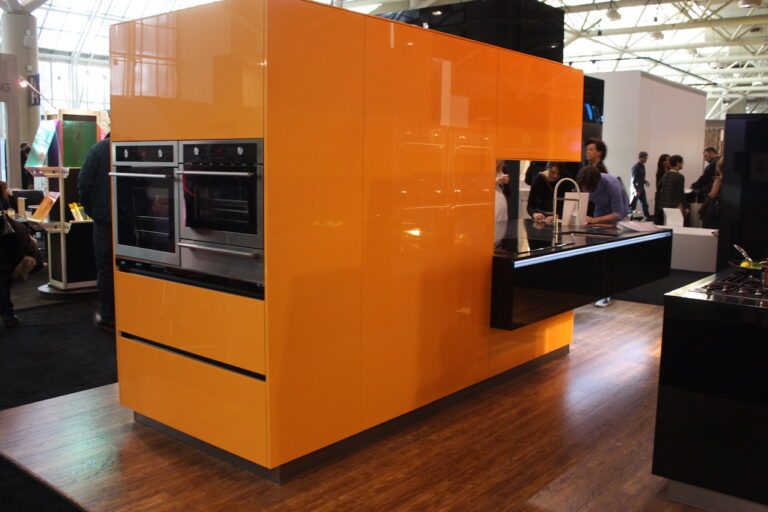
These cabinets shine like a showroom display. The surface reflects light, people, and everything around it. In real use, that reflection turns into fingerprints, smudges, and streaks.
I would be wiping these doors every day. Lower cabinets would show every touch. Any small scratch would stand out against the smooth finish. Over time, the surface loses its clean look unless you maintain it constantly.
For a working kitchen, I prefer matte or satin finishes. They hide marks better and feel less fragile. A kitchen should handle daily use without looking worn after one busy week.
Large Farmhouse Sink

This sink looks solid and bold. The thick apron front and deep basin make it the focal point of the counter. It feels strong, but it also changes how the cabinet below works.
The single large basin means you fill the entire sink even when washing a few plates. The exposed front takes up cabinet space and can make replacements harder later. If this material chips or stains, it becomes hard to hide.
I prefer a deep undermount sink that sits flush with the counter. It gives the same capacity without locking the cabinetry into one specific look. In daily use, flexibility and durability matter more than a statement front panel.
Open Shelving

Open shelves look clean and curated in photos. Every plate is stacked, every glass aligned. In real life, that order does not last long.
Dust and grease settle on everything. I would end up rinsing plates before using them. There is no place to hide mismatched mugs or plastic containers. The shelves also reduce upper cabinet storage, which most kitchens need.
I prefer a mix. One short shelf for daily items or decor, and closed cabinets for the rest. It keeps the kitchen easier to maintain and less exposed to clutter.
Stainless Steel Countertops

Stainless steel works in restaurants. At home, it feels different.
This surface shows every fingerprint, water spot, and scratch. After one week of cooking, it will not look like a showroom. Pots dragged across the counter leave marks. Grease near the cooktop becomes visible fast.
It also changes the mood of the room. The space feels cold and industrial. I prefer stainless for appliances, not full countertops. Stone, quartz, or even solid surface materials handle daily use with less noise, fewer marks, and a warmer feel.
Too Much Brass

Brass can add warmth and contrast. In this kitchen, it takes over.
The faucet, rails, trim, and even the drying rack all compete for attention. Instead of acting as an accent, brass becomes the main material. I would start noticing fingerprints, water spots, and tarnish fast, especially around the sink.
Metal works best in small doses. One finish for the faucet and hardware is enough. When every edge and bar shines, the space feels heavy and harder to maintain. In a working kitchen, restraint keeps the focus on function, not polish.