

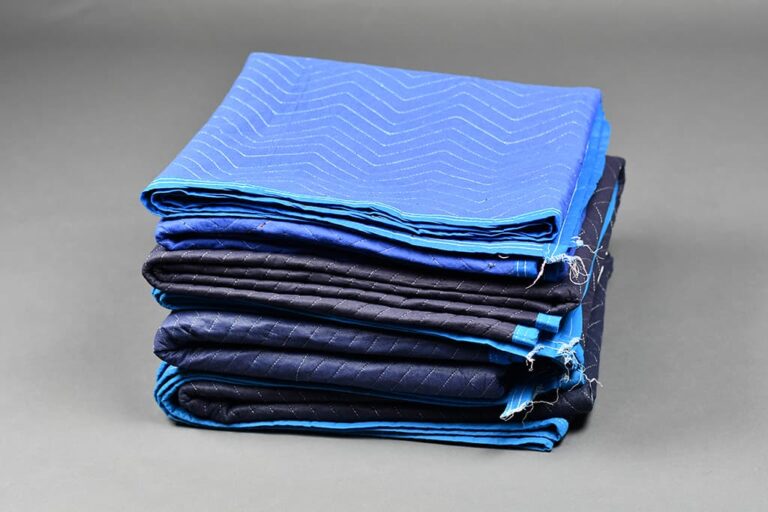

Moving blankets are thick, quilted pads that protect your furniture from scratches, dents, and dirt during a move. You might feel tempted to skip them to save a few dollars, but your wooden items and delicate furniture need that extra layer of protection. Without moving blankets, your belongings can easily get scratched or broken during the drive.
In this guide, you’ll learn exactly what these blankets do and how many you need for your home. We’ll also help you decide whether to buy or rent moving blankets for your upcoming relocation and share the best places to find them so you can stay on budget.
Table of Contents
What Are Moving Blankets (and What They’re Used For)
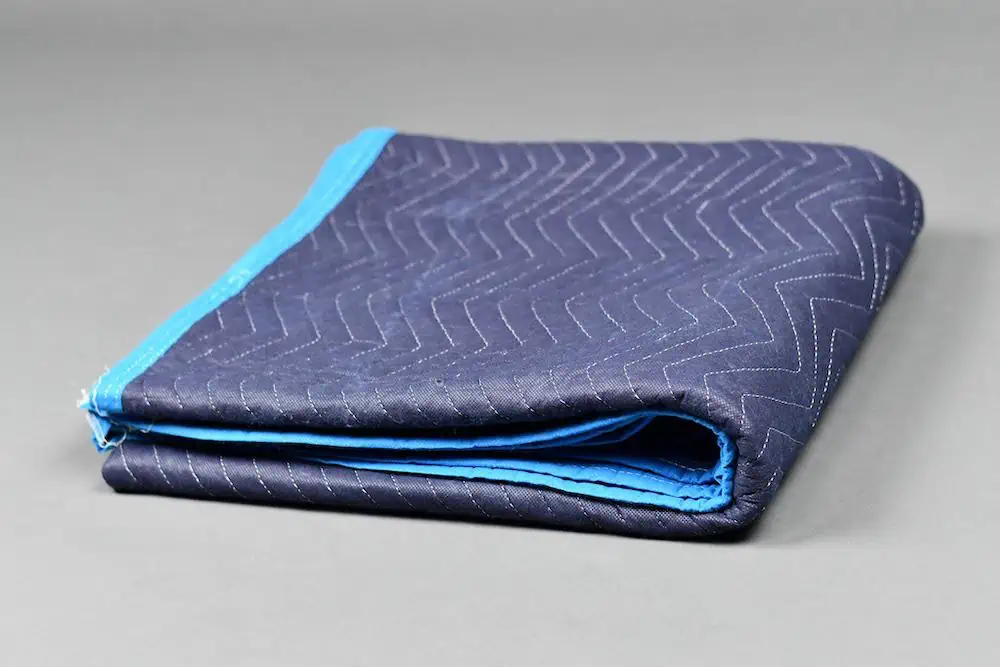
Moving blankets are heavy-duty, thick sheets of quilted cloth designed to absorb shock and prevent furniture damage. You might also hear people call them furniture pads, but these terms usually mean the same thing. Their main job is to provide a thick buffer between your belongings and the hard surfaces of a moving truck.
These blankets are much tougher than the ones on your bed. They use strong outer fabric and inner batting to stop rips and dents before they happen. Here are a few examples of the ways they can help during a move:
- Wood furniture: You can wrap tables, chairs, and dressers to prevent deep gouges and surface scratches.
- Large appliances: Cover refrigerators and washers to keep the finish shiny and dent-free.
- Walls and floors: By taping blankets to door frames and railings, you can protect your home while you carry big items out.
- Finished floors: Place moving blankets under heavy objects to slide them across tile or wood without leaving marks.
- Truck stability: You can roll moving blankets up and tuck them into small gaps in the truck to stop your load from shifting during the drive.
Using these pads also keeps your items clean. Moving is a dusty process, and wrapping furniture with a blanket prevents grease or grime from touching your sofa or mattress. Because they’re thick and durable, they offer much better protection than thin plastic or old bedsheets.
Do You Really Need Moving Blankets?
If you’re only moving a few plastic bins or small boxes, you might not need the extra padding. However, most moves involve furniture that can’t fit into a box. Without protection, even a short drive can lead to expensive repairs. Choosing the right moving supplies now is much cheaper than refinishing a desk or buying a new washing machine later.
We strongly recommend using these blankets for the following situations:
- DIY moves: When you drive a rental truck and load everything yourself, you’re responsible for keeping your items safe from bumps and turns. Moving blankets help a lot when it comes to keeping your furniture safe.
- Labor-only moves: Professional movers handle the loading and unloading, but you still need to provide the gear for them to wrap your furniture properly.
- Moving containers: Items in PODS or containers often shift during transit. Blankets provide the necessary cushion to prevent damage.
Think of these pads as another insurance policy for your belongings. A single pad costs very little compared to the price of a high-end sofa. By spending a small amount upfront, you avoid the stress of finding damage once you reach your new home.
Moving Blankets vs Regular Blankets
To save money, you might want to grab old comforters to wrap your furniture, but regular blankets aren’t built for moving. They’re often too thin to stop dents, and they can easily rip when snagged on a truck wall. They also tend to slip off furniture because the fabric is too smooth. Real moving blankets have thick padding and heavy stitching. This design absorbs shocks and stays in place much better.
“It’s hard to guess the exact number of moving blankets you’ll need. A good rule is to count one dozen pads for every fully furnished room you have.”
Professional movers use these heavy-duty pads because they offer real security. If you’re moving fragile items, stick to the professional gear. However, you can still use regular blankets to wrap dirty outdoor gear or stuff them into gaps between boxes and appliances. Just don’t rely on them to save your nice furniture.
Renting vs. Buying Moving Blankets
Deciding whether to rent moving blankets or buy them depends on your specific move. In general, renting is often best for local, one-time trips where you can easily return them, and buying them makes more sense if you’re moving long-distance or plan to move again soon. Check the table below to help you decide.
Renting vs. Buying Moving Blankets
| Factor | Renting | Buying |
| Move Size | Best for small to medium moves. | Ideal for large homes or long-distance moves. |
| Distance | Great for local round-trips. You pick them up and drop them off at the same spot. | Best for one-way moves. You don’t have to worry about finding a place to return them. |
| Storage Space | No storage needed; you return them as soon as you’re done. | Requires space in a closet or garage to store them for later. |
| Cost Efficiency | Cheaper for a single day. You save money if you only move once. | Better value over time. If you move often, they pay for themselves quickly. |
| Condition | Pads are used and may have dust or wear from previous moves. | You get fresh, clean pads. This is safer for light-colored furniture. |
| Quality | Quality varies. You might get thin pads that are torn or worn out. | You choose the thickness. You can pick heavy-duty pads for delicate items. |
| Time Limits | You’re on a clock. You pay extra fees if you keep them too long. | You can keep wrapped furniture in storage for months without fees. |
Rentals usually start at about $10–$15 per dozen for a local move. This is often a flat rate for the whole rental period. If you buy, prices hover around $5–$35 per blanket, depending on the weight. Heavy-duty pads cost more but offer better protection.
Be careful with rentals. If you lose a pad or return it dirty, companies may charge a replacement fee. This fee is often higher than the cost to buy a new one. Always check the rental terms so you don’t get hit with surprise bills.
Where to Rent or Buy Moving Blankets
Finding where to rent moving blankets depends on your budget and how much time you have. Most people pick them up when they grab their rental truck. However, buying online can save you money if you need a large amount.
Where to Get Your Moving Pads
| Option |
Where to Go |
What to Expect |
| Renting |
|
|
| Buying |
|
|
If you want the lowest price, check local online ads for used blankets first. Many people sell their pads right after they finish moving. and this is a great way to get high-quality supplies for a fraction of the retail price.
How Many Moving Blankets Do You Need?
It’s hard to guess the exact number of moving blankets you’ll need. A good rule is to count one dozen pads for every fully furnished room you have. However, to be safe, look at your specific furniture list and use this table as a guide.
Moving Blanket Guide by Home Size
| Home Size | Blankets Needed | What to Consider |
| Studio Apartment | 12–15 | Perfect for a bed, a small dresser, a TV, and a few end tables. |
| 1-Bedroom Home | 18–24 | Covers a full bedroom set plus a sofa, kitchen table, and chairs. |
| 2-Bedroom Home | 36–48 | Allows for two full bedroom sets, living room furniture, and a washer/dryer. |
| Large House (3+ Bedrooms) | 60+ | Covers multiple large rooms, heavy appliances, and outdoor patio sets. |
If your move involves tight hallways or steep stairs, add an extra dozen to your total. You can use these extra pads to protect walls and door frames. We also recommend buying more blankets than you think you’ll need. It’s always better to have a few left over than to leave your favorite wooden table unprotected.
How to Use Moving Blankets Correctly
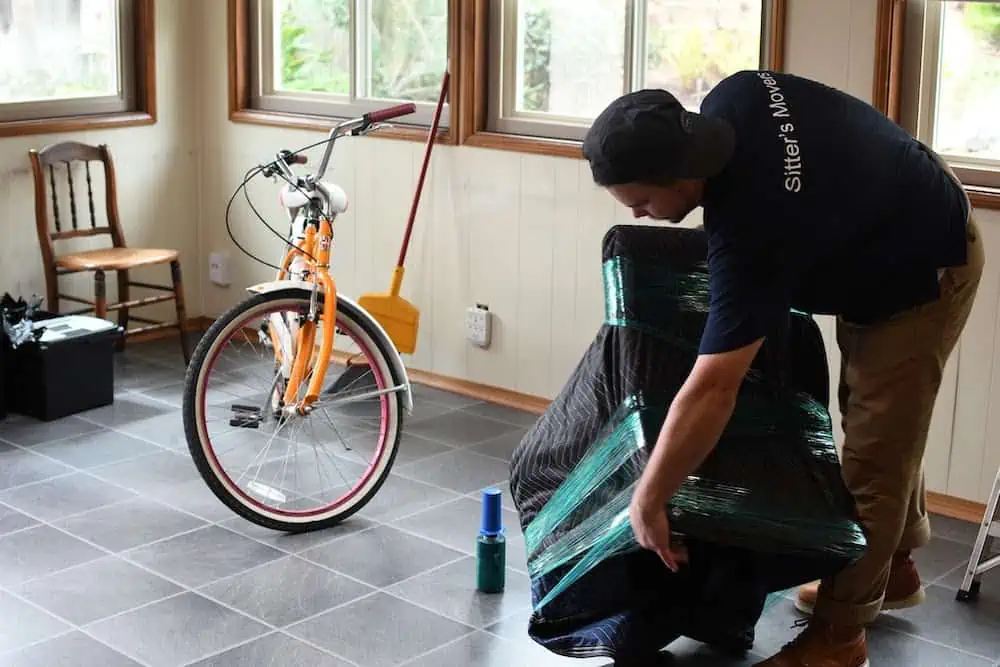
Simply throwing a moving blanket over your furniture is not enough. You need to wrap your items securely so the pads don’t slip off while the truck is moving. Follow these steps to make sure everything stays in place:
- Cover the top: Drape the blanket over the item like a tablecloth. Make sure it reaches the floor and covers every sharp corner to stop chips.
- Double the layers: Use two blankets for high-end wood furniture or items with glass to provide extra cushion against heavy bumps.
- Secure with stretch wrap: Wrap plastic film tightly around the blanket to keep it from sliding off during the walk to the truck.
- Avoid directly taping the surface: Never stick packing tape directly onto wood or fabric, as it can leave a sticky mess or cause permanent damage.
- Tuck the excess: Fold any hanging fabric underneath the item before you lift it to prevent tripping while you’re walking.
Using stretch wrap is often better than just tape because it gives you a better grip. It also keeps your blankets clean if you have to set furniture down on a sidewalk.
Common Moving Blanket Mistakes
Even with high-quality moving supplies, things can go wrong if you rush. Watch out for these common mistakes when using furniture pads:
- Using too few blankets: Trying to save money by stretching one pad over two items leaves edges bare and open to deep scratches.
- Leaving pads loose: A blanket only works if it stays put. If you don’t use tape or plastic wrap, the pad will slide off as soon as you try to lift the item.
- Relying only on plastic: Shrink wrap is great for holding drawers shut, but it’s very thin. It offers zero cushion against bumps, so you still need a thick layer of padding underneath the plastic.
- Leaving legs and corners exposed: These are the parts that hit door frames most often because they stick out, so always wrap all the way to the floor.
- Using dirty or wet blankets: Placing a damp or dusty pad on a cloth sofa can cause stains or odors that are very hard to remove.
Using Moving Blankets With Containers and PODS
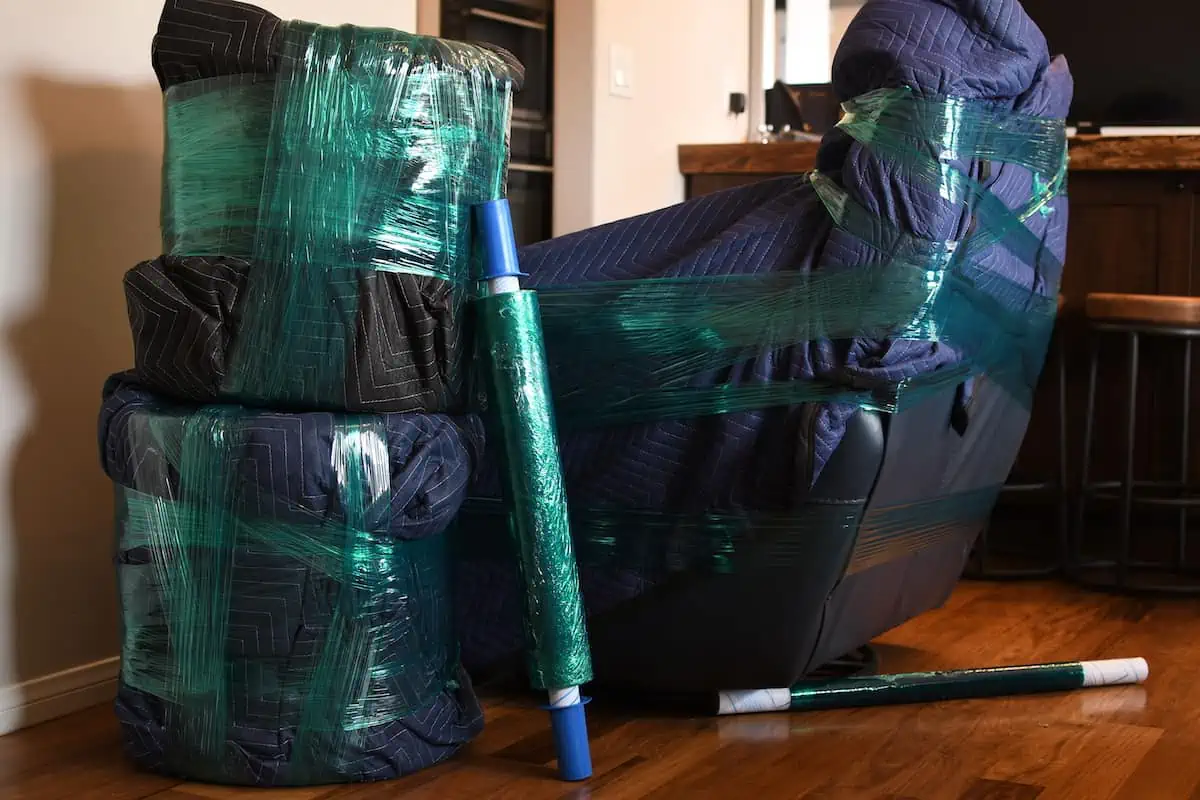
When using PODS containers or freight trailers, padding is not optional. These containers travel on the back of large trucks that vibrate and hit bumps on the road. Without blankets, your furniture will rub together and knock into the walls and each other for miles. This constant movement can ruin finishes even if the items don’t tip over.
To stay safe, use blankets to fill every small gap. Tie the blankets down or use straps to keep them tight against your items. This stops load shifting and adds a soft layer of protection. Be sure to focus on the areas where heavy furniture touches the metal walls or other boxes.
Frequently Asked Questions
Do movers provide moving blankets?
Full-service movers usually bring their own blankets as part of the price. However, if you hire labor-only help, you will need to provide your own. Always check with your rental truck company or movers to see what they offer.
Can I use shrink wrap instead of moving blankets?
Shrink wrap alone only protects against dirt and small scratches. It’s too thin to stop dents or cracks from heavy bumps. We recommend wrapping your furniture in a thick blanket first, then using shrink wrap to hold it.
Does the weight of the furniture pad matter?
Yes, weight is a sign of quality. Heavy pads are thicker and have more stuffing to absorb shocks. If you’re moving heavy wood or glass, choose a heavier pad. Light pads are fine for small items or keeping off dust.
Are moving blankets the same as furniture pads?
Yes, people use these terms interchangeably. Whether you call them moving blankets or furniture pads, they’re thick sheets of quilted cloth that serve as padding. They help protect your items from damage during a move.
Is it cheaper to rent or buy moving blankets?
Renting is usually cheaper for local, one-day moves, while buying is best for long-distance trips or if you move often. Buying also ensures you get clean, new pads that you can keep or sell later.
Can I reuse moving blankets after my move?
Absolutely. You can keep them for your next move or use them for storage. They also work great for pet bedding or floor protection during home projects. You can even sell them online to get some cash back.
Do I need moving blankets if everything is boxed?
If every single item is already inside a sturdy cardboard box, you might not need them. However, most homes have at least a few large furniture pieces like sofas or desks. Use blankets for anything that doesn’t fit inside a sealed box.
Are moving blankets washable?
Most high-quality blankets are washable, but you should check the label first. Use a large machine at a laundromat since they’re very heavy when wet. Avoid using high heat in the dryer, as it can damage the inner padding or fabric.
Can moving blankets damage furniture?
They’re meant to protect, but dirty blankets can cause issues. If a pad has grit or sand on it, it can scratch wood. Always make sure your blankets are clean and dry before you wrap them around your favorite leather or wood furniture.