



Not long ago, I had an opportunity fall into my lap, but moving halfway across the continent was part of the deal. This meant I had to figure out a realistic budget, secure a rental truck, and safely pack up my entire life into boxes.
While moving any distance takes time, working out the logistics of a solo move in winter weather required a real strategy. I was driving from Idaho to Pennsylvania in April, plowing through late winter snows and other potential issues. This guide is for anyone facing a similar trek, whether you are worried about the high costs or the stress of doing it all on your own. I’ll walk you through my step-by-step process (and the mistakes I made) so you can save money and keep your sanity.
Table of Contents
Is Moving Across the Country by Yourself a Good Idea?
Before you start packing boxes, you need to decide if a solo DIY move is actually the right move for you. It is a massive undertaking that tests your physical limits and your emotional patience.
A DIY long-distance move makes the most sense if you are on a tight budget or if you have a relatively small amount of stuff to move. If you are moving a studio or a one-bedroom apartment, the savings can be worth the extra effort.
However, you should probably not attempt this completely solo if you have a large multi-room home or heavy, specialized items like a piano. The physical strain of loading a 26-foot truck alone is a recipe for injury, and the logistical stress of driving such a large vehicle through mountains or heavy traffic can be overwhelming.
Step-by-Step: How to Move Across the Country by Yourself
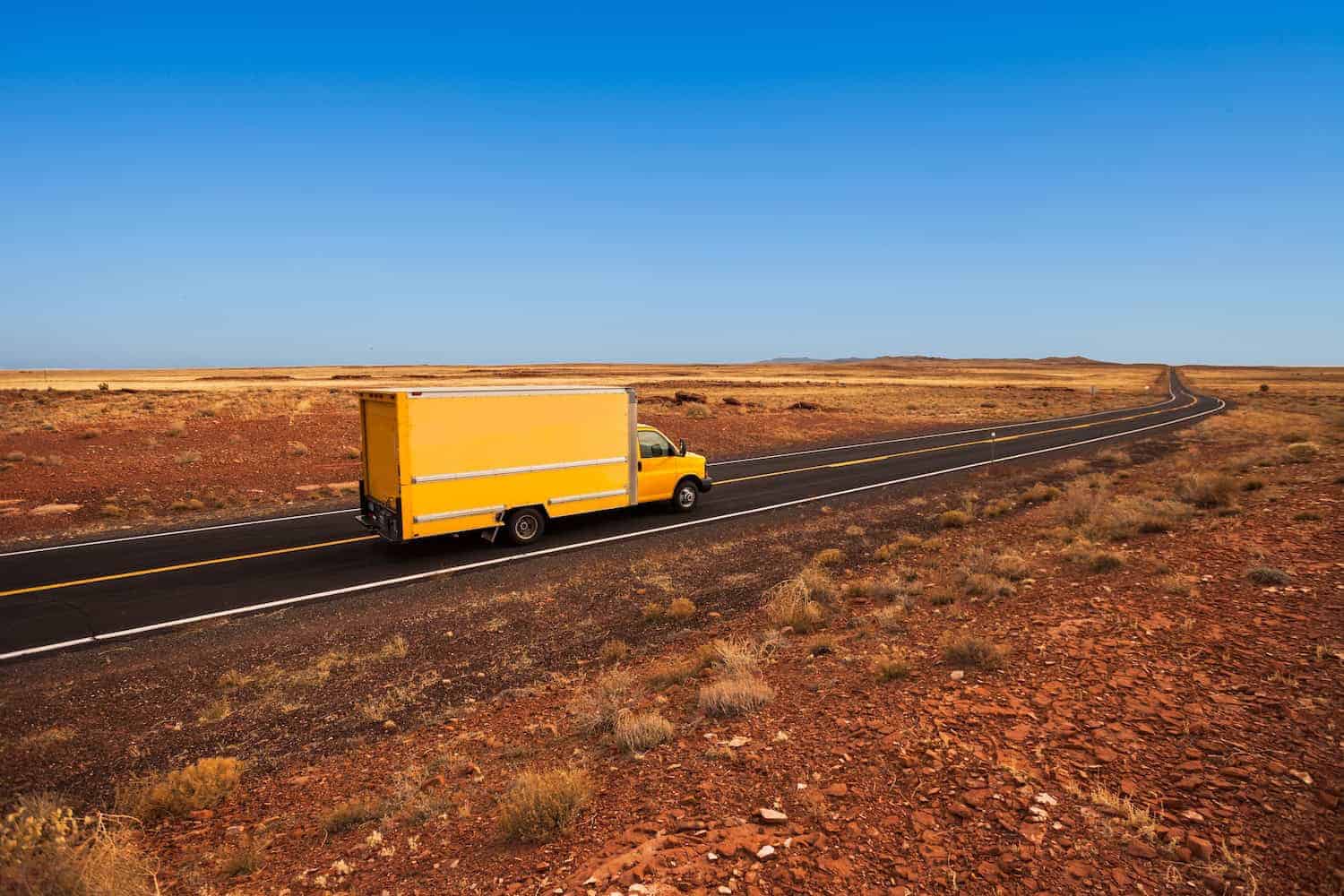
Moving solo is a puzzle with a lot of moving parts. Here is how I broke down the process when I moved from Idaho to Pennsylvania.
Planning the Move
I spent weeks mapping out the logistics, but there is always a gap between what you plan and what actually happens.
- What I planned ahead of time: I used online charts and calculators to estimate my truck size and plotted a route that avoided major metropolitan rush hours.
- What I underestimated: The weather was a massive wildcard. I did not fully account for how late-winter snow and intense winds in flyover states would slow down a moving truck.
Packing and Downsizing
The less you have, the easier and cheaper the move will be. For my own move, I focused on my office essentials, including my desk, books, and computers.
- What I brought vs. what I ditched: I kept it to about 1 or 2 rooms of essential items. Anything that was not worth the cost of the fuel to haul it across the country was left behind.
- Why less stuff mattered: A smaller load meant a smaller truck, which significantly improved my fuel economy. It also meant that if I miscalculated my space, I was not stuck leaving important heirlooms on the sidewalk.
Weighing Your Moving Options
There are several ways to get your life across the country. Your choice usually comes down to how much you want to spend versus how much you want to sweat.
| Moving Option |
What It’s Best For |
| Moving Truck Rental | People on a very tight budget who do not mind doing the driving, loading, and unloading. |
| Portable Moving Containers | Those who want extra time to load and unload, or need short-term storage without driving a huge truck. |
| Full-service moving | Movers who want a professional crew to handle everything from packing to transport and have the budget to support it. |
When I looked at the numbers, a portable moving container like PODS averaged about $4,400 for this kind of distance. If I had gone with a U-Haul truck, the rental would have averaged $2,800, but I would have had to add about $1,800 for mileage. While the truck is the cheapest way to move, the gap between a truck and a container is often smaller than you think once you factor in those fuel costs.
Loading, Driving, and Timing
When you are moving on your own, you have to do everything yourself, including all the loading and unloading. So you have to be honest about your physical limits to avoid injury and burnout.
- What one person can realistically handle: You can definitely manage packing boxes and moving smaller furniture items on your own.
- Where help is actually necessary: Loading heavy appliances or bulky furniture into a high truck deck is where things get dangerous. Even though I was doing a DIY move, I hired labor-only moving help for just a few hundred dollars to handle the heavy lifting and pack the truck professionally. This ensured my belongings did not slide around during the 2,000-mile journey.
What I Could (and Couldn’t) Do Completely Alone
When you are figuring out how to move across the country by yourself, it is easy to get caught up in a mindset that you can do it all, but moving a whole life is physically exhausting and potentially dangerous. I learned quickly that being a solo mover is about knowing when to work hard and when to call in reinforcements.
The Solo Mover Checklist
Here is a realistic look at what you can likely handle on your own versus when you should definitely reach out for help.
What I could do solo:
- Packing and labeling: You are the best person to organize your own boxes, indicate where they should go, and decide what stays or goes.
- Driving: If you have a valid driver’s license and feel comfortable behind the wheel of a larger truck, you can handle the trek across the country.
- Loading smaller items: Totes, clothes, and small boxes are easy enough for one person to manage.
- Logistics: Setting up your change of address and managing your moving timeline are perfect solo tasks.
What I realistically needed help with:
- Heavy lifting: Moving a refrigerator, a heavy desk, or a sofa is a two-person job at minimum.
- Loading the truck efficiently: Professional movers like those on HireAHelper’s marketplace know how to stack a truck professionally, ensuring things do not break during the drive.
- Unloading at the destination: After driving for days, you will be too tired to safely carry a mattress up a flight of stairs by yourself.
Safety and Injury Considerations
The biggest risk of a solo move is getting hurt early in the trip. If you throw out your back loading the truck on day one, you still have 2,000 miles of driving ahead of you. I highly recommend using labor-only help for the heavy stuff. It protects your body and ensures you actually have the energy to finish the drive safely.
My Long-Distance Moving Tips
After trekking from Idaho to Pennsylvania, I picked up a few survival strategies. If you want your solo move to go smoothly, here is the expertise I gained from the road.
Read Customer Reviews Before Choosing Your Rental Truck
It is important to do your due diligence before renting a moving truck. I chose to rent from Penske because they tend to have newer trucks and a reputation for being reliable and comfortable. I had a sense this was true from my package delivery days when we used their rentals while our own trucks were in for repairs.
Use a Moving Calculator to Estimate What Size Truck You’ll Need
You need enough room to fit all your stuff, but you’re essentially paying for air if you rent a size larger than you need. Instead of guessing, you can use one of the handy charts and calculators online, like Penske’s Truck Wizard, that estimate what size truck you will need based on specific items like bookcases or hutches. In my case, I only had about 1 to 2 rooms’ worth of stuff. A small truck was fine for me and got better mileage since it was not weighed down, which is a huge deal when you are the one paying for gas!
Hire Movers If You Need Help
Since I was by myself at the start and only had my cousin to help me unload at the end, I hired pros for the heavy lifting for just a couple hundred bucks. This was much more affordable than hiring a van line for thousands. The person I spoke with at HireAHelper was invaluable, finding me professional movers for both ends of my journey in about 15 minutes. The movers packed my truck way better than I could have, which ensured nothing would slide around or get damaged.
Check Out the Weather Forecast

I wish I had checked the forecast for my route more closely. Driving across the northern United States in early spring meant snow was a real possibility, and it became a reality in Utah, Wyoming, Illinois, and Pennsylvania. In Utah, the snow was almost blinding for over 150 miles! I suggest using an app like Morecast to get the outlook for each leg of your trip and change your schedule or find a different route if the forecast looks bad.
Use a Navigation App to Avoid Traffic and Road Construction
Google Maps helped me bypass rush hour in unfamiliar cities, which was a lifesaver when I encountered orange cones and slow-speed zones. Just keep in mind that standard navigation apps do not always know you are driving a large vehicle, so you still need to watch out for low-clearance bridges and tunnels.
Plan Your Accommodations in Advance
I went with a reservationless trip and almost ended up sleeping in the cab of the truck. As I passed Chicago, there were suddenly no vacant motels for a long time. I eventually found a Motel 6, but it was a close call.
“While I chose a rental truck to save money, I would look closer at the total bill next time. Once you factor in gas, lodging, and food, the savings over a portable moving container were only about 10% to 20%…”
Instead of leaving things up to chance, you should plan out all your rest stops and overnight hotel stays before you hit the road. Make sure to map out any detours for sightseeing and keep a few backup lodging options saved in your phone just in case your travel timeline changes.
Eat and Drink the Right Things at the Right Times
Staying alert is tough when you are alone. To combat getting too tired, I grabbed healthy snacks at grocery stores each morning and kept them in a small cooler in the passenger seat.
I also learned to balance my hydration so I could stretch my legs during pit stops without stopping every 20 minutes. Also, watch your caffeine intake, as too much coffee can be a diuretic and hard on your stomach.
Have Playlists and Audiobooks Downloaded Before You Get on the Road
One of the worst enemies of staying awake is silence. To keep my brain engaged, I listened to talk radio, podcasts, and audiobooks, and I made sure to pre-download them for areas with no reception. I also used a hands-free way to talk on the phone to stay in touch with people along the way.
Follow the Law and Be Prepared To Get Pulled Over
In Illinois, I was pulled over twice by state troopers. It turns out it is common for police to check moving trucks since they’re often used for certain criminal activity. Even a minor traffic violation might get you pulled over, so make sure you have all your rental paperwork in order, and do not carry anything illegal, even if it is legal in the state you are moving to.
Bonus: How to Move as a College Student Across the Country
Moving a student to a dorm or first apartment halfway across the country is a whole different ball game. While the distance is the same, the strategy usually shifts toward saving every possible penny. Here is how to handle the logistics for a student move without breaking the bank.
- Focus on fewer belongings: Most students only need to move a bedroom’s worth of stuff. If it cannot fit into a small van or a few shipping boxes, consider if it is cheaper to buy it once you arrive.
- Adopt a budget-first strategy: Since funds are usually tight, skip the full-service options. Look for student discounts on truck rentals or use a marketplace to find affordable labor-only moving help for just an hour or two.
- Take advantage of flexible timing: If the student does not have a strict 9-to-5, moving mid-week or during the off-season can lead to lower rental rates.
- Use short-term storage or labor-only help: If the dorm isn’t ready or the lease hasn’t started, a small portable moving container can act as temporary storage. Hiring a few vetted movers to help carry that heavy mini-fridge up three flights of stairs can also prevent a lot of move-in day stress.
Mistakes I’d Avoid If I Did It Again
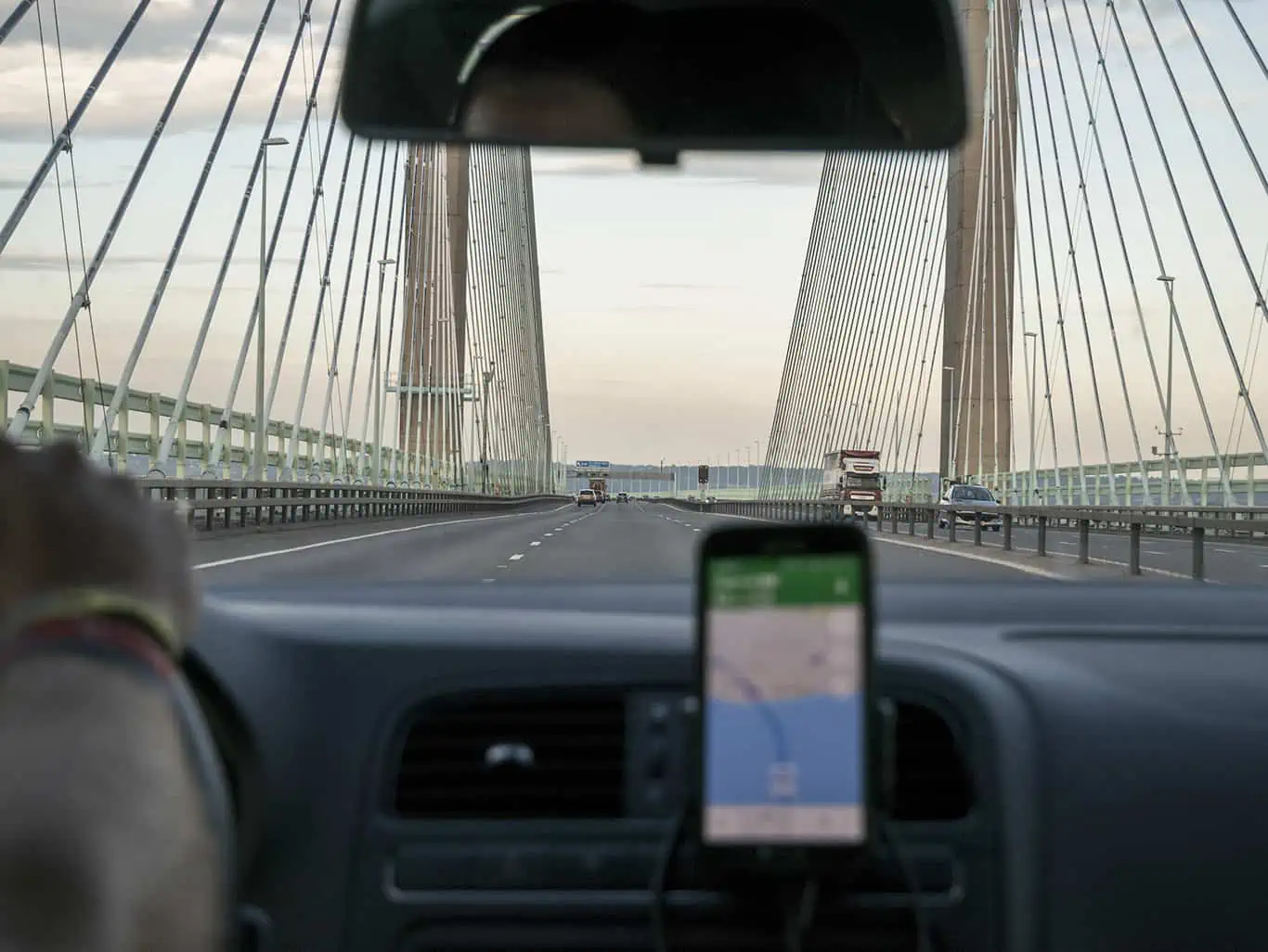
Looking back at my journey from Idaho to Pennsylvania, I learned some lessons the hard way. Moving across the country by yourself is a massive feat, and while I made it in one piece, there are definitely things I would do differently next time.
If I had a redo, here is how I would pivot to save my back and my wallet:
Respecting the Time Commitment
I underestimated how much the elements would slow me down. Between blinding snow in Utah and intense winds, my arrival was much later than planned. I would build in at least one extra buffer day for weather or road construction delays.
Being Realistic About Cost
While I chose a rental truck to save money, I would look closer at the total bill next time. Once you factor in gas, lodging, and food, the savings over a portable moving container were only about 10% to 20%. For that small of a gap, the stress of driving a huge truck might not be worth it.
Avoiding Physical Strain
I am glad I hired labor-only help, but I should have booked them for even more of the packing process. Trying to do too much solo before the movers arrived left me exhausted before the three-day drive even started.
Planning Logistics to the Last Detail
My biggest mistake was the reservationless hotel strategy. Finding myself near Chicago with no vacant rooms was a major stressor. Next time, I would book every single night of lodging in advance to avoid the risk of sleeping in the truck cab.
FAQs About Moving Across the Country
How much does it cost to move across the country?
Calculating the exact cost depends on how much stuff you have, but for a standard one or two-bedroom move covering about 2,000 miles, you can expect a range between $4,000 and $7,000. Here is a breakdown of the long-distance moving items I encountered:
- Truck or container: $2,800 – $4,500
- Fuel: $1,500 – $2,000 (especially for large rental trucks)
- Labor-only help: $400 – $800 (for loading and unloading)
- Lodging and food: $500 – $800 (depending on the number of nights)
- Supplies: $150 – $300 (boxes, tape, furniture pads)
Costs that surprised me: I did not realize how quickly the smaller things add up. Tolls across multiple states and the cost of food for a week nearly added another $400 to my total bill.
What’s the cheapest way to move across the country?
The cheapest way to move across the country is to do everything yourself, which means renting a truck, loading it, driving it, and unloading it at your destination. But this is the least expensive option only in theory. You really have to look at the total price rather than just the rental quote, and factor in the physical labor and time costs. Here is how the options I evaluated stacked up:
- DIY truck: This is the lowest sticker price, but once you add $1,800 in gas and the physical toll of driving, the savings can feel a bit thin.
- Container + labor: This was my favorite middle-ground. You avoid the gas bill and the stress of driving a massive rig, but you still save thousands over full-service by loading it yourself (or hiring help).
- Full-service: I only looked at this for context. At $8,000+, it was way out of my budget.
Can one person move across the country alone?
Yes, but not if you have heavy furniture. You can handle the driving and packing, but realistically, you should hire a couple of labor-only movers from HireAHelper to handle the big items. It turns a monster task into a manageable road trip.
Is it cheaper to rent a truck or use a container?
Usually, the truck rental is cheaper upfront. However, once you add the cost of gas (which is often double what you’d pay for a standard car) and the required hotel stays because you’re driving slower, the price of a portable moving container becomes very competitive.
How long does a cross-country move usually take?
For a move of about 2,500 miles, plan on 5 to 7 days. You might think you can pull 12-hour days, but driving a heavy, loaded moving truck is much more exhausting than driving a sedan. Factor in weather delays and shorter daylight hours if you are moving in the winter!