

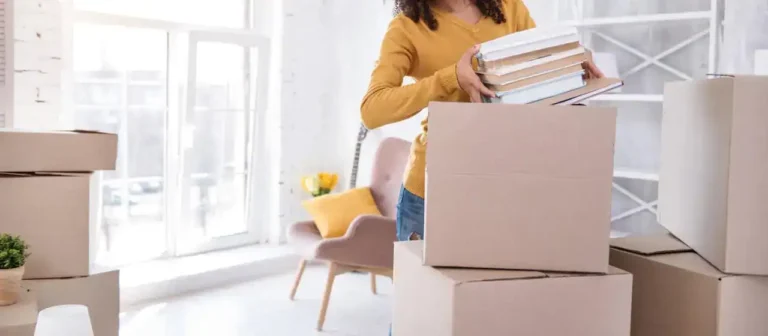

Getting ready for your first year is thrilling, but it is so easy to bring way too much stuff. To pack for college efficiently, double-check your dorm’s rules, coordinate with your roommate, and follow a categorized checklist of essentials.
If you’ve never been in a dorm or lived on your own before, it can be difficult to know what to bring and what’s best left behind. This guide will walk you through exactly how to plan, what to pack, and how to conquer our move-in day checklist. By checking your building policies and chatting with your roommate early on, you will prevent wasted purchases and save a ton of space.
Before You Pack: 7 Things to Do First
Before you start packing, it’s a good idea to do a little planning. These simple steps will save you time, stress, and precious dorm space:
- Confirm what your dorm already provides: Find out exactly what furniture is waiting for you, and check your specific bed size, kitchen access, air conditioning rules, and storage limits.
- Read your residence hall policies: Schools usually ban fire hazards and wall-damaging items. Look for rules about candles, hot plates, specific appliances, and command strips.
- Coordinate with your roommate: You definitely do not need two of every appliance, so create a shared list to decide who brings the microwave, mini-fridge, and coffee maker to avoid doubles.
- Decide how you are getting there: Are you going to drive, fly, or ship your boxes? Your packing strategy changes drastically based on your luggage limits and shipping options.
- Make a buy later near campus list: Leave the bulky items at home and buy them after you arrive. These are things that are easily available anywhere and will just take up valuable room in your car or luggage, like basic cleaning supplies, heavy snacks, cases of water, and large plastic storage containers.
- Plan your packing system: Use suitcases for your clothes and labeled bins for different categories. You should also create a clearly marked open first bag or box for your first day.
- Measure once, buy once: Dorms are often much smaller than you think. Get the room measurements beforehand to avoid buying oversized items.
What to Pack vs. What to Buy Locally
Still not sure what is good to bring and what is better to buy when you are finally on campus? Take a look at this table to see what your specific situation calls for.
Mini Fridge or Microwave
- Bring if: You already own one and have a big enough car to easily transport it.
- Buy there if: You are flying or have limited trunk space.
- Skip if: Your dorm provides these appliances, or your roommate is already bringing one.
Cleaning and Paper Supplies
- Bring if: You have extra room in the car and want a few basics like wipes and paper towels for move-in day.
- Buy there if: You want to save precious cargo space. These are cheap and easy to grab at a local store.
- Skip if: You and your roommate plan to split the cost and buy these together later.
Storage Bins and Drawer Carts
- Bring if: You are actually using them as packing boxes to transport your clothes and supplies.
- Buy there if: You are flying to school and cannot transport large items.
- Skip if: You checked your room measurements and know extra furniture simply will not fit.
Other Toiletries (Shampoo, Body Wash)
- Bring if: You use specific specialty brands that are hard to find in a standard drugstore.
- Buy there if: You want to avoid heavy luggage or the dreaded shampoo explosion in your suitcase.
- Skip if: You plan to buy bulk sizes to share with your roommate.
Snacks and Heavy Drinks
- Bring if: You need a few granola bars and a couple of water bottles to survive the first day of unpacking.
- Buy there if: You want to stock your dorm pantry. Cases of water and heavy snack boxes take up trunk space.
- Skip if: You have a dining hall plan and know you will not eat much in your room anyway.
Printer and Ink
- Bring if: Your specific major requires printing out physical projects constantly.
- Buy there if: You realize a few weeks into classes that you actually need one.
- Skip if: Your campus offers easy printing access in the library and dorms.
The College Packing Checklist
Ready to start packing? Use this comprehensive college packing checklist to make sure you have everything you need to thrive during your first year.
Bedding & Sleep
- Two sets of bedsheets (be sure to check your bed size first!)
- Mattress topper for extra comfort
- Comforter or cozy blanket
- Pillow or pillows
- Bedside light
- Nice to have: A plush reading pillow for late-night studying.
Bathroom & Shower
- Shower caddy to easily carry your supplies
- Flip-flops to use as shower shoes
- Towels
- Everyday toiletries
- First-aid basics
- Nice to have: A comfortable bathrobe.
Laundry
- Hamper or laundry bag
- Detergent pods for easy carrying
- Stain stick
- Drying rack (if your dorm allows it)
- Quarters or a loaded laundry card
School Supplies & Desk
- Notebooks, pens, and folders/binders
- Stapler
- Planner to keep track of your syllabus
- Sturdy backpack
- Laptop stand (optional)
- Nice to have: A small desk organizer.
Tech & Electronics
- Laptop and charger
- Headphones to block out dorm noise
- Surge protector (where allowed)
- Extension cords (always double-check your specific dorm extension cord policy first!)
- Ethernet cable for reliable internet
- Nice to have: A portable phone charger or an extra laptop monitor.
Clothing
- Everyday wear based on a smart seasonality strategy (pack clothes only for the current season or semester, and swap them out for new weather gear when you go home for breaks)
- One professional interview outfit
- Gym clothes
- Rain gear
- Nice to have: A formal outfit for special campus events.
Closet & Organization
- Hangers
- Under-bed bins
- Over-the-door hooks (if allowed)
- Drawer dividers
- Nice to have: A hanging shoe organizer.
Cleaning & Dorm Upkeep
- Disinfecting wipes
- Small vacuum (if allowed)
- Trash bags
- Air freshener alternatives like reed diffusers
- Nice to have: A handheld dustpan and brush.
Kitchen & Food
- Reusable water bottle
- Coffee mug
- Microwave-safe bowl
- Basic utensils (keep your kitchen gear minimal!)
- Nice to have: Chip clips for your late-night snacks.
Comfort & Make it Feel Like Home
- Photos of family and friends
- Small decor items
- Small fan for air circulation
- Earplugs
- Eye mask
- Nice to have: A cozy throw blanket for movie nights.
What Not to Bring to College
It is incredibly tempting to pack your entire bedroom, but bringing too much stuff will only make your small dorm feel cramped. Here’s what you should definitely leave at home to save money and space.
The Most Common Overpacking Traps
- Too many clothes: Bringing your entire wardrobe is a huge mistake. Stick to your seasonality strategy (bringing clothes only for the seasons during your initial semester and bringing more bit by bit during breaks) and leave out-of-season items at home.
- Extra bedding sets: You absolutely do not need multiple backup comforters and extra bedding sets. One spare sheet set is plenty.
- Roommate duplicates: Showing up with duplicates of what your roommate brings is a major waste of space. Talk to them beforehand so you avoid bringing two microwaves.
Items That Are Often Restricted or Cause Fees
- Candles: Leave these at home, because almost all residence halls ban candles as fire hazards.
- Certain cooking appliances: Campus staff will likely confiscate hot plates or toaster ovens.
- Wall-damage risks: Avoid anything that might damage the paint, such as heavy-duty mounting tape or nails. Always check your school policy before hanging your decor.
Big Ticket Items to Delay
- Printers: Hold off on buying a bulky printer until you know you need it. Most campuses offer plenty of convenient printing labs.
- Excessive kitchen gear: Leave the fancy pots and pans behind. You only need a few basics for dorm living.
- Extra furniture: Do not buy futons or large chairs until you actually see your space. You probably will not have room for them.
The “Move-in Day Essentials” Kit
Arriving on campus is super exciting, but that can get dampened pretty quickly if you’re digging through a mountain of boxes trying to find an important book or your pajamas. Pack an essentials kit to keep your sanity intact during those crucial first few hours of settling in.
First 2 Hours After You Arrive
Start by grabbing your essential tools. You will definitely need a box cutter or scissors, heavy-duty trash bags, paper towels, and disinfecting wipes. Moving is hard work, so keep basic meds, bottled water, and easy snacks on hand to avoid crashing.
“Dorms are often much smaller than you think. Get the room measurements beforehand to avoid buying oversized items.”
To minimize trips back and forth to your car, tackle unpacking strategically. The best way to unpack is to set up your bed first, then work through one section of the room at a time.
First Night Box
After a long day of moving, you will be too tired to dig through ten different boxes just to brush your teeth. Pack a dedicated box with your bedding, shower supplies, phone chargers, a fresh change of clothes, and important documents or IDs. You do not have to unpack everything right away. Just grab what you need from this box and get some rest.
How to Pack Efficiently
Knowing what to bring is only half the battle. You still need to get it from point A to point B. Here are some tips on how to pack everything so it actually fits in your car, survives the trip, and makes unpacking a total breeze.
- Choose the right containers: Match your packing supplies to your specific moving method. Sturdy plastic bins are incredible for bad weather and stack perfectly, but soft duffel bags are much easier to squish into tight car spaces. Cardboard boxes are cheap but can fall apart in the rain.
- Use a labeling system that actually works: Color-code your boxes by zone, like blue for the bathroom and green for your desk. Mark your most important boxes as open first and jot down a quick inventory note on the outside so you know exactly what is inside.
- Protect your fragile items: You don’t need to buy miles of bubble wrap to protect your things. Wrap breakables in your thick towels or sweaters to keep them safe. Try to avoid bringing super fragile items unless you absolutely need them.
- Flying to school: If you are hopping on a plane, you need a minimalist packing plan. Stick to a capsule wardrobe and bring only your absolute favorites. You can always ship whatever you cannot carry directly to your dorm mailroom.
Quick Dorm Setup Plan

You finally made it into your room, and you are so close to being completely done! Staring at a pile of boxes is overwhelming, but we have a proven strategy to get you settled fast. Follow this quick setup plan to conquer your space in under an hour and get back to enjoying your first day.
- Document the room first: Before you unpack a single box, take photos of any existing damage like wall scratches or floor dents. This easy step helps you avoid unfair room damage fines at the end of the school year.
- Wipe everything down: Dorms sit empty all summer and get super dusty. Grab those disinfecting wipes from your essentials kit and quickly clean your mattress, desk, and empty drawers before you put your clean things inside.
- Plug in your power: Outlets are usually hidden behind heavy desks or beds. Plug in your surge protectors and phone chargers before you push your furniture flush against the walls.
- Set up your bed next: Making your bed right away gives you immediate comfort and creates a massive clean surface to stage your items while you unpack.
- Set up a trash station: Move-in day generates a huge mountain of trash. Hang a large garbage bag on your door handle immediately so you have a dedicated spot for all that leftover packing material.
- Unpack by zones, not by boxes: Focus on one area at a time to stay sane. Tackle your desk, then fill your closet, and finish up with your bathroom essentials.
- Store maybe items in a single bin: You will definitely run into random items you are not sure where to put. Keep them corralled in one spot to prevent clutter creep and keep your tiny room perfectly tidy.
Frequently Asked Questions
How do I decide what to pack for college vs buy there?
Pack items you already own or specific brands you love. Buy bulky, generic things like cleaning supplies and large plastic bins once you arrive. This strategy saves tons of space in your car. Read our ultimate packing guide for extra advice.
What do I need for a college dorm that people forget?
Students often forget a small first aid kit, a reliable surge protector, a fan to keep the room comfortable, and a simple stain cleaning stick. These tiny items make a huge difference during your first semester.
How many outfits should I bring to college?
Stick to a smart seasonality strategy. Only pack what you need for the current weather. You can follow the 5-4-3-2-1 rule, too: Bring 5 sets of underwear, 4 tops, 3 bottoms, 2 pairs of shoes, and 1 jacket.
What should I bring for college move-in day?
Pack a dedicated essentials kit for your first day that includes a box cutter, heavy-duty trash bags, basic medications, and bottled water. Knowing what to pack first keeps you organized and prevents massive headaches while you unpack.
What should I not bring to a dorm?
Leave your candles, hot plates, and extra furniture at home. Residence halls often restrict these specific items or ban them entirely. You should also leave extra bedding sets and out-of-season clothes behind to save valuable space.
Do I need a printer in college?
You usually do not need a printer. Most campuses provide printing labs for students. Only buy one if your specific major requires you to constantly turn in physical drafts. Waiting to buy big ticket items helps you avoid unnecessary moving costs.
What’s the best way to pack if I’m traveling long-distance?
Choose sturdy plastic bins if you are driving a long way. If you plan on flying, use a capsule wardrobe approach and ship the items you cannot easily carry.
What documents should I bring to college?
You absolutely need to pack your photo ID, health insurance card, and any important housing information. Keep these vital documents inside your first night bag so you can easily find them when you arrive on campus.
How do I pack for a small dorm with a roommate?
Coordinate with your roommate early to avoid bringing duplicate items. Decide who will bring the mini fridge, microwave, and area rugs. Sharing a tiny space is much like moving to a new apartment, so communication is your best tool.