

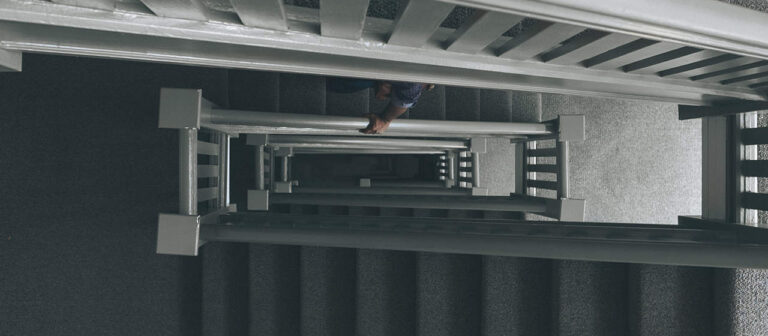

Yes, movers will charge extra for stairs, but usually only past the first flight. Navigating stairs takes longer, requires more physical labor, and presents more difficulty, so movers usually add a fee to reflect the added complexity.
How much movers charge for stairs depends on your moving company’s stair fee policy and your circumstances. In this article, we’ll explain how movers calculate stair fees and what factors impact the final cost.
How Much Do Movers Charge for Stairs?
While Consumer Affairs estimates that moving stair fees are usually around $50 after the first flight, this figure doesn’t reveal the entire picture. Movers use various methods to calculate stair fees rather than 1 universal rate. For example, some companies charge per flight or even per step, while others may apply a flat-rate stair fee. Understanding these structures makes it easier to make sense of price variations between different companies and quotes.
Per Flight Pricing
Many moving companies charge a flat rate per flight, which is the most common way to calculate moving stair fees. Bear in mind that what constitutes a flight varies between companies. And, some movers adjust quotes depending on individual factors. For example, if you have 2 flights of stairs but only a couple of items on the top, they may only charge for 1 flight in the moving quote. Clarifying how your movers define a flight and their other policies can help you avoid unexpected moving costs.
Flat Stair Fees
Some moving companies apply a flat stair fee, which means the cost remains the same regardless of the number of flights of stairs involved in your move. This pricing structure is more common for apartment buildings and small local moves.
Generally, choosing a company that charges flat stair fees is most cost-effective if your home contains multiple short flights. However, it could work out more expensive if you live in a single-flight home.
Per Step Pricing (Less Common)
Occasionally, moving companies may charge by the total number of steps and disregard the number of flights altogether. This structure can work out more expensive if your home contains multiple short flights. While this pricing method is relatively uncommon, it’s still worth asking about when comparing moving companies.
Included vs. Additional Flights
Some moving companies include 1 or 2 flights of stairs in the base cost and only charge extra for additional stairs. Other moving companies don’t include any stairs in their base price, so even a single flight could increase your bill.
Hourly Adjustments Instead of Stair Fees
Some movers don’t charge per stair or flight. Instead, they base their fees on the total labor time. As carrying items up and down stairs increases the time it takes to move your belongings, the number of stairs in your home will impact the overall cost.
Stair Fees vs. Long Carry Fees
A long carry fee is when movers must carry your things a long way to the truck to load and unload them. Much like stairs, this takes more time and labor, so the fee is meant to cover that extra work. Moving quotes often include both stair fees and long carry fees.
What Impacts the Cost of a Moving Stair Fee?
Movers consider your specific circumstances when deciding how much to charge for stair fees. Your building’s layout, accessibility, and stair configuration can all impact pricing. Knowing how these variables work explains why estimates can vary significantly between jobs.
Number of Flights
The more stairs your home contains, the greater the labor time and physical strain for your movers, and the more you’ll pay for your move. Depending on your moving company’s policy, they may calculate stair fees for bi-level homes (homes with 2 main living levels) and split-level homes (homes with multiple staggered levels) differently, so it’s important to clarify this point during the quote process.
What Movers Consider a “Flight”
Most commonly, a flight of stairs is defined as 12 to 16 steps between a landing or the stories in a building. While this is a common industry benchmark, the definition of a flight can vary depending on moving company policies, differences in regional architecture, and the type of building you’re in.
For example, a single-family bi-level home typically includes 2 short flights of steps. Movers might treat these as a single flight or 2 flights, depending on their policies. An apartment on the second story of a building might be accessed by stairs broken up with a landing. In that case, one moving company could treat it as a single flight while another counts it as 2 flights.
“Generally, local movers are more likely to itemize moving stair fees separately, while long-distance moving companies may bundle stair charges into your total estimate.”
Some companies may not count “flights” as the steps between stories or landings. They may instead provide a quote based on the total number of steps. If a company considers 10 steps to be a flight, you might be charged for 3 flights if you have 30 steps, regardless of landings or stories.
When researching moving companies, be sure to ask if they charge extra for stairs, about rates related to stairs, and how they define a flight of stairs.
Type and Size of Items
If movers must navigate stairs with large items like couches or kitchen appliances, it may add time and expense to your move. Your company may also charge extra for moving specialty items, such as pianos, chandeliers, or pool tables. Specialty items require additional care, labor, or equipment to transport safely, which will likely reflect in your quote.
Staircase Design

Winding or narrow staircases or other uncommon architecture could impact the efficiency of a move, leading to higher costs. Features such as tight turns, low ceilings, and narrow spaces create significant physical constraints that require movers to move more slowly and make frequent position adjustments, increasing the labor time. In some circumstances, your movers may need to disassemble items or use additional protection or equipment, making the task more time-consuming.
Awkward staircase designs also increase the risk of injury or property damage. To reflect these risks, movers typically charge higher stair fees.
Building Type and Elevators
Your building type impacts stair-related fees because it impacts accessibility. For example, moves in buildings with an elevator are usually quicker and easier to handle than apartment walk-ups because they don’t involve stairs. While elevators generally reduce or remove stair fees, your movers may still charge extra if the elevators are small, require long waits, or cause other accessibility problems.
Local vs. Long-Distance Moves
How your movers itemize stair fees often depends on the distances involved. Generally, local movers are more likely to itemize moving stair fees separately, while long-distance moving companies may bundle stair charges into your total estimate.
Labor-Only vs. Full-Service
Labor-only moving companies (customer provides the truck or container) and full-service movers sometimes apply stair fees differently. As a rule of thumb, labor-only companies are more likely to apply separate stair fees because physical carrying work forms the majority of the bill. Conversely, full-service movers often incorporate stair fees into your total estimate instead of listing a separate stair fee.
Can You Avoid a Moving Stair Fee?
You can reduce or even eliminate stair fees sometimes if you’re able to do some of the labor yourself or improve accessibility for your movers. However, this isn’t always possible.
The following tips can help you minimize moving stair fees:
- Ensure elevator access: Reserve an elevator in advance if you live in an apartment building to allow your movers unrestricted access.
- DIY-move smaller belongings: Move small, manageable items downstairs before your movers arrive to reduce labor time.
- Disassemble large furniture: Disassemble large items in advance whenever possible to make them quicker and easier to move.
- Be transparent: Tell your movers about the configuration of stairs inside your home to avoid unexpected moving costs.
Finally, ask whether your moving company includes the first flight in the base rate. If it does, you may not incur any additional charges if your building only contains 1 flight of stairs.
Frequently Asked Questions
Do movers charge for second-floor apartments?
Movers may charge for second-floor apartments, especially those accessed via stairs, because navigating stairs makes jobs more labor-intensive. Stair charges depend on your moving company’s policies, such as whether base rates cover the first flight or how it counts stairs. Clarifying your company’s stair fee policy during the estimate process is the best way to avoid unexpected moving costs.
Is the stair fee charged per mover?
Moving companies sometimes charge stair fees per mover, but policies vary. It’s worth asking whether your moving company charges per flight, per mover, or a flat fee before proceeding.
Do movers charge for stairs if there’s an elevator?
Movers don’t usually charge stair fees if they can use an elevator to move your belongings. However, extra fees may apply if they encounter accessibility issues, such as long waiting times or restricted space. We recommend explaining your building’s access details and confirming each company’s elevator policy when comparing quotes.
Is a stair fee negotiable?
Stair fees are sometimes negotiable, depending on the company’s policies and your circumstances. Some companies may be flexible if making an exception to their standard policies seems reasonable. For example, your movers may agree to reduce standard stair fees if your home contains only a few stairs.
What happens if I forget to mention stairs?
Forgetting to mention stairs can lead to your movers applying additional fees or increasing your quote on moving day. Movers carefully plan staffing, timing, and equipment based on the details you provide, so failing to tell them about stairs can cause scheduling and practical difficulties. Being upfront and accurate with movers is essential to avoiding extra costs or delays.
Do long-distance movers charge stair fees?
Long-distance movers sometimes charge stair fees, although this depends on your company’s policies. Generally, long-distance movers are more likely to bundle stair expenses into your total quote than short-distance moving companies. You should ask your company how it calculates stair fees to ensure you understand all potential charges.