

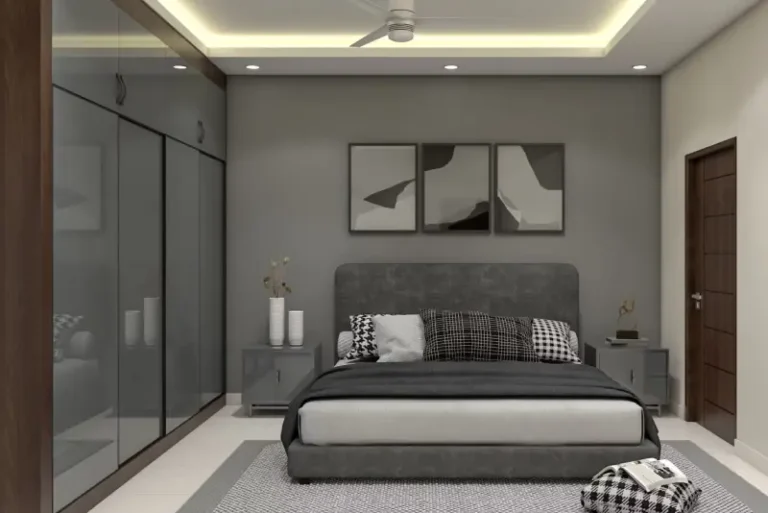

Selling a house isn’t just a math problem. Buyers react to how a place feels the second they walk in the door. The goal isn’t to turn your home into a showroom but instead is to strip away distractions, fix the things that make people pause, and make it easy for a buyer to picture themselves living there in the near future, not “one day.”
Start With the Rooms That Carry the Most Weight
A few rooms do most of the heavy lifting: the entry, living room, kitchen, and primary bedroom. If your time and budget are limited, start there.
Stand in each of those spaces and look at light, clutter, and function. Is it bright enough? Is the furniture crowding the room? Is it obvious how someone would use the space?
When those main rooms are edited and staged, buyers spend more time in the house and write stronger offers. A national home-staging report from the National Association of Realtors® backs this up, noting that staged photos make buyers more likely to schedule an in-person walkthrough.
Declutter, Depersonalize, Then Give Every Space a Job
Clutter and personal stuff make rooms feel smaller and busier than they really are. You don’t have to live like a minimalist forever, but you do need to live a little lighter while your home’s on the market.
An easy way to start:
- Take about a third of the stuff off surfaces and open shelves.
- Box up family photos, collections, and anything that screams “this is my personality.”
- Clear kitchen counters so buyers see workspace, not appliances, paper piles, or mail.
Then compare each room to how it’s described in the listing. If you’re calling it a home office, the treadmill has to go. If you’re marketing a “fourth bedroom,” it should look like a bedroom, not a catch-all storage zone. Buyers feel much more confident when every space clearly shows how it can be used from day one.
Use Paint and Lighting To Clean Up the Story.
If you only fix a couple of things inside, make it the walls and the lights. They’re not huge projects, but they change how every room feels.
For paint, keep it simple. Pick one neutral color you actually like and run it through the main living areas instead of stacking a bunch of “nearly the same” beiges and grays. The room reads cleaner, and the whole house feels more connected.
Soft, warm neutrals usually look good in photos and still feel cozy in real life, so potential buyers are more likely to remember the room and not just the paint color.
Lighting pulls a lot of weight, too. In the rooms that tend to matter most, aim for a main light to brighten the whole space, then a task light where someone might cook, read, or work, and then maybe a lamp in the corner so nothing ends up being in shadow.
Then check the bulbs. If one light is very bright white and another is deep yellow, the room can feel “off” even if no one can explain why. Pick one color temperature you like and use it throughout the house so everything feels more consistent and put together.
Floors, Storage, and the “I Don’t Have to Deal With This” Factor
Most buyers can live with a few quirks if they can move in, exhale, and handle projects later. What they don’t want is a house that feels like a problem from day one.
Floors play a huge role in how “move-in ready” your place feels. If your hardwood is scratched up but still in good shape, sanding and refinishing it is almost always money well spent. If the carpet in main living areas is stained or tired, swapping it out before you list can keep buyers from quietly knocking thousands off in their heads. Remodeling and cost-versus-value reports consistently rank floor refinishing as one of the better projects for getting your money back.
Storage comes right after floors on the “must fix” list. People will open every closet, peek in the pantry, and look inside the laundry room.
You don’t need custom organizers, but you do need those spaces to look under control.
Think more along the lines of a clean row of matching hangers instead of a random mix, a few simple shelves, some clear or labeled bins, and closet floors you can actually see. Little touches like that make your home feel well cared for and tell buyers there’s real room for their everyday life, not just a setup for pictures.
Let Your Neighborhood Guide the Style
Buyers aren’t just buying the four walls, but rather they’re buying the street, the price point, and the lifestyle that comes with it. The inside of your home should feel like it fits that picture, not like it belongs in a totally different neighborhood.
In Orange County, the places that fly off the market fastest usually have a light, coastal feel, with soft wall colors, simple lines, and natural textures rather than anything heavy or fussy.
In San Jose, where a lot of buyers work in tech and keep long hours, people tend to gravitate toward clean, low-maintenance finishes and rooms that can easily double as home offices when needed.
Revive Real Estate’s Orange County and San Jose area pages are good to scroll through if you want to see what’s actually selling in those markets.
If you’re not sure how far to go with changes, pull up a few recent sales near you and study the photos closely. Those comps will tell you more than any trend list about which upgrades matter and what kind of look buyers in your area are saying yes to.
When To Bring in Help
At some point, doing everything yourself stops paying off. For example, a streaky paint job or slightly crooked flooring is not just cosmetic. It can make buyers wonder what else was done halfway.
If your to-do list includes bigger projects like floor refinishing, cabinet painting, small electrical updates, or a full refresh across several rooms, it’s worth getting backup.
Revive can help you sort out what has to happen before you list and what can wait, then knock out the important work on a realistic schedule.
A Simple Plan To Pull It All Together
If this feels like too much, you don’t need to fix everything in one weekend. Work through it in this order and give yourself permission to do it in stages:
- Strip out visual clutter and personal items in the main rooms.
- Set each space up to match how you describe it in the listing.
- Repaint key areas in one go to neutral, and replace old or harsh bulbs.
- Address the obvious issues first. If there’s still room in the budget, then look at flooring and any storage that feels chaotic.
You’re not trying to create a picture-perfect showpiece. You’re aiming for a home that feels looked after, easy to live in, and on par with others in your area. When that comes across, buyers stop hunting for flaws and start picturing their own stuff in the rooms.
Author Information
Author Name: Rebecca Denis
Author Bio:
Rebecca Denis is the Head of Interior Design at Revive Real Estate and an accomplished interior designer with over a decade of experience creating inspired, functional spaces. Known for her refined aesthetic and meticulous attention to detail, Rebecca brings creativity and strategy together to transform everyday interiors into meaningful experiences. She’s built a reputation for turning ideas into inspiring spaces that balance beauty, comfort, and function. Rebecca’s diverse portfolio includes commercial projects, curated show homes, and bespoke custom interiors—each reflecting her belief that thoughtful design can elevate how people live, work, and feel in a space.
Author Headshot: