

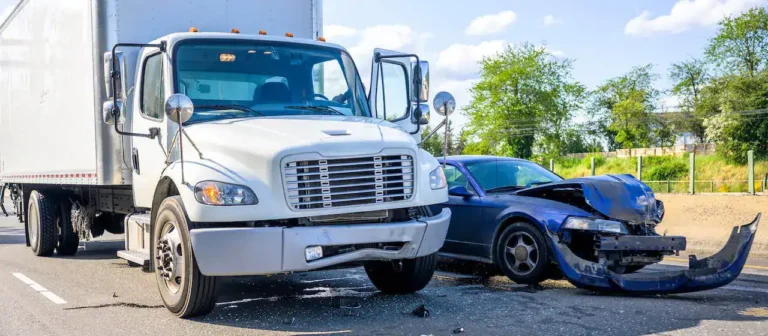

Moving is stressful enough without the added pressure of a moving truck accident. If you do wreck a rental truck, you should focus on getting everyone safe, seeing if anyone needs medical attention, filing a police report, and notifying the rental truck company immediately. Knowing what to do ahead of time can help you calmly handle the situation, protect yourself legally, and get your move back on track.
At HireAHelper, we’ve helped millions of people navigate the logistics of moving, including the unexpected bumps along the way. Whether you’re mid-move or planning ahead, this guide walks you through every step of what to do after a moving truck accident, how insurance and liability work, and how you can avoid an accident in the first place.
What to Do After an Accident in Your Moving Truck Rental
The steps below cover exactly what to do after a moving truck accident, from the moment of impact through notifying your insurance provider. Even if the accident seems minor, you should follow them in order. You can also print the downloadable checklist at the bottom of this page and keep it in the truck’s glove compartment.
1. Check for Injuries and Call 911
First, after any moving truck collision, check yourself and your passengers for injuries, then call 911 immediately. Moving truck accidents can cause delayed symptoms like whiplash, internal bruising, or head trauma that aren’t immediately obvious at the scene. Tell the 911 dispatcher you were in an accident and need to be evaluated.
Getting medical attention documented on the spot is about your insurance and liability claims as much as your health. Without medical documentation, it becomes significantly harder to prove that injuries sustained in the accident were caused by the collision. Even a minor ache or stiffness should be evaluated and recorded.
2. Move to a Safe Location
If the truck is drivable and it’s safe to do so, pull it off the road to a shoulder, parking lot, or other area clear of traffic. Turn on your hazard lights immediately, day or night. If the truck can’t be moved, turn on the hazard lights, leave it where it is, and get to a safe distance away from the road.
“Moving trucks have much larger blind spots than passenger vehicles. Adjust your mirrors before departure, and always use them when changing lanes or turning. When in doubt, get out and look.”
If you’re injured and can’t move on your own, stay as still as possible and wait for emergency responders to reach you. Never try to move a seriously injured person unless they’re in immediate danger, such as a fire or ongoing collision risk. Once you’re in a safe spot, do not leave the scene. Departing before police arrive can complicate insurance claims and, in some states, is illegal regardless of fault.
3. File a Report With the Police
When first responders arrive, you’ll need to speak with the responding officer and provide an honest account of what happened. Describe the facts clearly and stick to what you observed. Don’t speculate about fault or say anything that suggests you caused the accident. Avoid phrases like “I’m sorry” or “I should have seen them,” as these can be interpreted as admissions of liability, even when you didn’t mean it that way.
A police report is often required to file an insurance claim with the rental truck company, so make sure one gets filed, regardless of how minor the damage seems. Note the date, time, responding officer’s name, badge number, and the report number for your records. In some cases, you can request a copy of the report online through your local police department’s website within a few days.
4. Document the Scene Thoroughly
Once you’ve spoken with the police and are in a safe location, begin documenting everything you can. Take photos and video of the following:
- The position and damage of all vehicles involved
- Your visible injuries and any passenger injuries
- License plates of all vehicles
- Weather and road conditions at the time of the accident
- Nearby traffic signs, signals, and road markings
- The surrounding area and intersection, if applicable
- The cargo inside the truck, including whether anything shifted or spilled
- Any security cameras on nearby businesses (photograph the camera and note the business name)
If you’re able, record a brief verbal statement on your phone while walking through the scene. Narrate what you’re seeing and what happened. This can be a valuable complement to your photos. Share the footage of the security cameras with the police so they can request the footage before it’s overwritten.
5. Exchange Information and Collect Witness Information
Exchange the following information with all other drivers involved in the accident:
- Full name and phone number
- Driver’s license number and state
- Insurance company name and policy number
- Vehicle license plate number and state
- Vehicle make, model, and year
If there are witnesses at the scene (bystanders, pedestrians, or nearby business employees), ask for their names and contact information as well. Witness accounts from impartial people are valuable for resolving disputes about what actually happened. Provide all of this information to the police officer on the scene and keep a copy for yourself.
6. Contact the Rental Truck Company
Once the immediate situation is under control, contact the rental truck company. Most major rental companies have 24/7 emergency lines specifically for accidents and breakdowns. Have the following information ready before you call:
- Your rental contract or reservation number
- Your current location
- A description of what happened
- The condition of the truck (Is it drivable?)
- Contact information for the other parties involved
- The police report number
The representative will walk you through the next steps based on the truck’s condition. If the truck is drivable and no one is seriously injured, they may give you permission to continue to your destination. If the truck is undrivable, the company will typically arrange towing and may offer a replacement vehicle depending on your rental agreement. If a replacement truck isn’t available, you’ll need to contact your movers, realtor, or others involved in your move to adjust the timeline.
Use the table below to quickly reach the right department for each major rental company:
Truck Rental Company Contact Information
7. Contact the Insurance Provider

Most auto insurance policies don’t cover what happens while you’re driving a rental truck, so if you get into an accident and don’t have the right protection, you’ll likely end up covering the damage. It’s always a good idea to get it, even if you feel like the odds are in your favor that you won’t have to use it.
After notifying the rental company, contact the appropriate insurance provider. If you purchased coverage through the rental company, they will typically initiate the claim with their insurance carrier, who will then reach out to you directly for more details. If you’re relying on your personal auto insurance, contact your insurer to open a claim.
Don’t wait to gather your documents before filing, either. Most insurance policies have time limits for reporting accidents, and delays can complicate or even void your claim.
8. Recordkeeping and Legal Considerations
Thorough recordkeeping after a moving truck accident often means the difference between a smooth claim and a costly dispute. As soon as you can, organize and save copies of the following:
- The police report and report number
- All photos and videos from the scene
- Your rental contract and any insurance documentation
- Medical evaluation records and receipts
- Repair estimates for the truck and any other vehicles
- All written communication with the rental company and insurers
- Receipts for any expenses related to the accident (towing, lodging, alternate transport)
Store everything digitally, in print, or both. Cloud storage or email is a reliable way to ensure nothing gets lost. You should also strongly consider consulting an attorney if any of the following apply:
- Someone was injured
- There are disputes about fault
- The damage is significant
- The rental company or another driver’s insurer is not acting in good faith
A lawyer who handles vehicle accidents can help you understand your rights and review your rental agreement for any terms that might not be in your favor. They can also communicate with insurers on your behalf and advise you on whether to accept any settlement offers. Most personal injury attorneys offer free consultations, so it doesn’t cost you anything to find out where you stand.
Common Injuries in Moving Truck Accidents
Because rental trucks are much larger and heavier than passenger vehicles, accidents involving them tend to result in more serious injuries for occupants of the truck and for other drivers. Common injuries include:
- Whiplash: Symptoms are often delayed, which is why documentation is important.
- Back and spinal injuries: The force of a truck collision can compress or herniate discs and damage spinal structures.
- Broken bones: Arms, hands, ribs, and legs are common fracture sites in truck accidents.
- Head trauma and concussions: Even low-speed impacts can cause brain injuries, especially if airbags deploy.
- Soft tissue injuries: This includes muscle tears, ligament sprains, and bruising.
- Internal injuries: Blunt force from seatbelts or the steering column can cause internal bleeding or organ damage.
Seek medical evaluation immediately following any accident, even if you feel fine. Many serious injuries present no obvious symptoms for hours or days.
Does Insurance Cover a Moving Truck Accident?
Whether insurance covers a moving truck accident depends on what coverage you purchased and who else may have coverage in place. It’s often budget-friendly and worthwhile to have. Here’s how the main types of coverage work.
What Rental Truck Insurance Typically Covers
When you rent a moving truck, the rental company will offer several optional protection plans. These typically include:
- Limited Damage Waiver (LDW): Relieves you of financial responsibility for loss or damage to the rental truck, up to the terms of the agreement. Read the fine print carefully. Some waivers still require a deductible.
- Personal Accident Insurance: Covers medical expenses for you and your passengers in the event of an injury during the rental.
- Supplemental Liability Insurance (SLI): Protects you if a third party makes a claim against you for bodily injury or property damage caused while driving the rental truck. Coverage typically extends up to $1 million.
- Cargo Insurance: Covers your belongings in the truck if they’re damaged in an accident or disaster during transport.
- Towing / Auto Tow Protection: Covers a vehicle you’re towing with the rental truck in the event of damage.
Does My Auto Insurance Cover a Rental Truck?
In most cases, your personal auto insurance policy will not automatically cover a rental moving truck. Standard personal auto policies often exclude larger vehicles due to weight class or commercial classification. Even when some coverage applies, it may not cover both liability and damage to the truck itself. Credit card rental coverage, which many people rely on for standard rental cars, typically doesn’t apply to moving trucks at all.
Before assuming you’re covered, call your insurer and ask the following questions:
- Does my policy cover rental box trucks or moving vans?
- Are there weight or size limits on covered vehicles?
- Does coverage include damage to the rental truck itself?
- Does my policy cover my cargo inside the truck?
- Are my liability limits sufficient if another driver is injured?
Assuming coverage without confirming it can cost you a significant out-of-pocket expense after an accident. It’s worth a five-minute phone call before your move.
Insurance Coverage Options for a Rental Moving Truck Collision
In general, you have a few options for covering a rental moving truck:
- Rental company protection plans: The most reliable option, as they’re designed specifically for the vehicle you’re renting. See the company-specific breakdowns below.
- Personal auto insurance: May apply in some cases, but verify with your insurer before relying on it. Coverage is often limited or excluded for larger trucks.
- Credit card coverage: Rarely covers moving trucks. Check your cardholder agreement before assuming this applies.
Coverage terms vary significantly by provider and policy. Consult your insurance agent before your move to understand exactly what applies to your situation.
Rental Moving Truck Claims Process
If you purchased coverage through the rental company, they have a specific procedure for filing a claim. You can typically find this on your rental contract. In general, the claims process follows these steps:
- Immediately after the accident, you contact the rental company and provide your contract number, location, and a description of what happened.
- The rental company contacts its insurance carrier and opens a claim.
- The insurance carrier reaches out to you directly for additional details, photos, and documentation.
- You submit all relevant documentation, like the police report, photos from the scene, the rental agreement, and any medical records.
- The insurer evaluates the claim and determines the amount of coverage.
- You pay any applicable deductible, and the insurer covers the remaining eligible costs.
Most policies have a filing deadline, ranging from a few days to 30 days after the accident, so don’t delay.
U-Haul, Penske, and Budget Truck Insurance
Available coverage, what’s included, and cost all differ between rental truck companies. Terms can also change at any time, so make sure to verify everything before starting your reservation.
Here are examples of three major rental companies and their policies, so you can get a good idea of how the process works and what these policies typically cover. For a side-by-side cost comparison of Penske and U-Haul, see our article Penske vs. U-Haul — Is Penske a Cheaper Alternative?
U-Haul Rental Insurance
U-Haul offers two primary moving truck coverage plans:
- Safemove®: Includes a damage waiver (with deductible), cargo coverage, and medical/life coverage.
- Safemove Plus®: Includes everything in Safemove® but with no deductible and adds $1 million in supplemental liability insurance.
Additional U-Haul protection options include:
- Safetow®: Covers a towed vehicle and includes a damage waiver and medical/life protection.
- Safetrip®: Roadside assistance protection.
- Safestor®: Coverage for belongings stored in a U-Box container or self-storage unit.
For more on U-Haul’s costs and what to expect, see our guide on How Much Does a U-Haul Really Cost?
Penske Truck Rental Insurance
Penske offers four bundled protection plans (Basic, Standard, Value, and Plus):
- All plans include a Limited Damage Waiver.
- Supplemental liability insurance (up to $1 million) is included in Standard, Value, and Plus plans.
- Cargo insurance is available in Value and Plus plans only.
- Personal accident insurance is exclusive to the Plus plan.
- Towing insurance is available as an add-on to any plan.
For a deeper look, you can visit our post on Penske Prices and Reviews.
Budget Truck Rental Insurance
Budget offers three coverage tiers for rental trucks:
- Value Protection Package: Basic physical damage waiver. Does not include supplemental liability, personal accident, or cargo coverage.
- Choice Protection Package: Adds a physical damage waiver and roadside assistance, plus supplemental liability insurance. No personal accident or cargo coverage.
- Complete Protection Package: The most comprehensive option. Includes a physical damage waiver, roadside assistance, supplemental liability insurance (up to $750K), personal accident coverage, and cargo coverage.
Auto towing protection is also available as an add-on to any Budget plan.
Who Is Liable in a Moving Truck Crash?
In most rental truck accidents, the driver is the primary liable party. The amount you’ll owe after an accident depends on the type and terms of the coverage. However, liability in a moving truck crash can extend to multiple parties depending on the circumstances.
- The renter/driver: They’re liable for negligent driving, failure to inspect the truck before departure, or improper cargo loading.
- Other drivers: When at fault, their insurance covers the costs.
- The rental company: They’re protected from liability under the Graves Amendment, but liable for failure to perform safety inspection, renting to an unlicensed driver, or lack of vehicle maintenance.
- Third parties: Cargo loading companies, mechanics, or truck manufacturers may share liability if their actions or products contributed to the accident.
Rental companies carry significant legal resources and insurers who work to minimize payouts. If you believe the rental company is at fault in any way, consult an attorney before making any statements or accepting any settlements.
If you declined protection, you might have to cover the full cost of damage to the truck, damage to other vehicles or property, and any additional fees. This is why you should often add the rental insurance, but even with coverage, you may owe a deductible.
Common Causes of Moving Truck Accidents
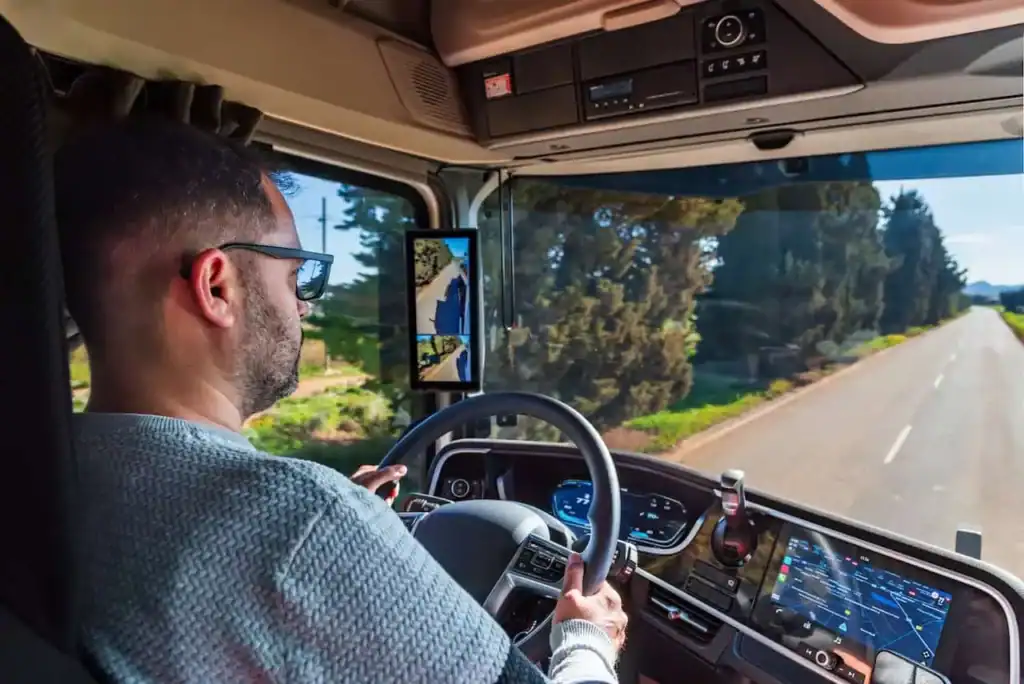
Rental moving trucks are longer, taller, heavier, and far less responsive than standard vehicles, which means they require a different set of driving skills. Most inexperienced drivers underestimate this. Key differences that make them harder to drive include:
- Extended blind spots: Large trucks have significantly larger blind spots on the right side and directly behind the cargo area.
- Longer stopping distance: This gap grows at highway speeds and with a full load.
- Wide turning radius: Moving trucks need much more space to navigate turns and lane changes.
- Less responsive suspension: Trucks can feel unstable at higher speeds when handling bumps and road imperfections.
- Height clearance issues: Rental trucks can strike overhead obstructions like bridges, parking structures, or tree limbs.
Because they’re so different from driving a standard car, it’s easier to make a mistake while driving, which can lead to an accident. Common causes of moving truck accidents include:
- Driver inexperience: Most renters have never driven a vehicle this large before.
- Driver fatigue: Long-distance moves often involve extended driving hours and not enough rest.
- Distracted driving: Phone use and navigation while driving increase accident risk.
- Improper cargo loading: Unsecured loads shift during transport and can affect vehicle handling, potentially causing rollovers.
- Speeding: Heavy trucks should follow the lowest recommended speed, particularly on curves or in wet conditions.
- Unfamiliarity with the area: Navigating unfamiliar roads increases reaction time.
- Mechanical or maintenance issues: While rental companies are responsible for maintaining their fleets, mechanical failures do occur.
Types of Rental Moving Truck Collisions
While moving truck accidents depend on when and where you were driving, they all tend to fall into a few common categories:
- Rear-end collisions: Often caused by following too closely or insufficient stopping distance.
- Sideswipe accidents: When a driver drifts into an adjacent lane, often due to blind spots or wide turns.
- Backover accidents: Common in parking lots and driveways when reversing without a spotter.
- Rollover accidents: When a truck takes a curve too fast, especially if the cargo is unevenly loaded or the truck is top-heavy.
- Intersection collisions: Misjudging stopping distance, running red lights, or failing to yield.
- Overhead strikes: Driving under a bridge, parking structure, or overpass that’s too short for the truck’s height.
Tips to Prevent a Rental Moving Truck Accident
Preventing an accident starts before you ever pull out of the lot. A few habits and precautions can make a big difference. Follow these tips to lessen your risk of getting into an accident while you drive a moving truck:
- Book the right truck in advance: The right size truck is safer and easier to handle. Oversized or undersized trucks create unnecessary hazards due to how the weight of the cargo is distributed.
- Inspect the truck thoroughly: Walk around the vehicle, check for existing damage, test the brakes, mirrors, and lights, and confirm everything is documented on the rental agreement.
- Gather essential moving supplies at pickup: Furniture pads, straps, and dollies help you load cargo securely, reducing the risk of shifting loads that can affect vehicle handling.
- Know your blind spots: Moving trucks have much larger blind spots than passenger vehicles. Adjust your mirrors before departure, and always use them when changing lanes or turning. When in doubt, get out and look.
- Obey speed limits: This is something you should always do, but it’s especially important when driving a moving truck, You should also reduce speed even more in rain, snow, or strong winds.
- Pack and load cargo carefully: Heavier items go near the cab, with weight balanced evenly side to side. Secure everything with straps.
Frequently Asked Questions
Does auto insurance cover rental moving trucks?
In most cases, no. Standard personal auto policies frequently exclude rental trucks due to vehicle size or commercial classification. Some policies may offer partial coverage, but you should call your insurer before your move to confirm. Credit card rental coverage also typically does not apply to moving trucks.
How long after a moving truck accident can I file an insurance claim?
Filing deadlines vary by state and by insurer, but you should report an accident to both the rental company and your insurance provider on the same day. Most policies require reporting within 24 to 72 hours, and some state laws set broader requirements for civil claims. Waiting can put your right to recover damages at risk.
Can I sue after a moving truck accident?
Yes, depending on the circumstances. If another driver caused the accident, you may have grounds for a personal injury or property damage claim against them. If the rental company is responsible (such as for a mechanical failure), legal action against them is more complex but possible in certain situations. Consult a personal injury attorney to evaluate your options.
How much is insurance on a moving truck?
Rental truck protection plans vary by company, plan tier, and trip duration. Basic damage waivers typically cost $15–$40 per day, while comprehensive plans that include supplemental liability, cargo, and personal accident coverage can run $50–$100+ per day. Always compare the cost of coverage against your potential out-of-pocket expense if you decline it.
How much does a moving truck accident cost?
The costs of a moving truck accident can have a wide range. Here are a few to be aware of:
- Truck repair costs: $1,000–$15,000+, depending on severity.
- Deductibles (with coverage): $0–$1,000 depending on your plan.
- Administrative fees charged by rental companies: $150–$500+.
- Third-party property damage (without coverage): Can run into tens of thousands of dollars.
- Personal injury costs (without adequate liability coverage): Potentially unlimited, depending on the severity of injuries and whether a lawsuit is filed.