

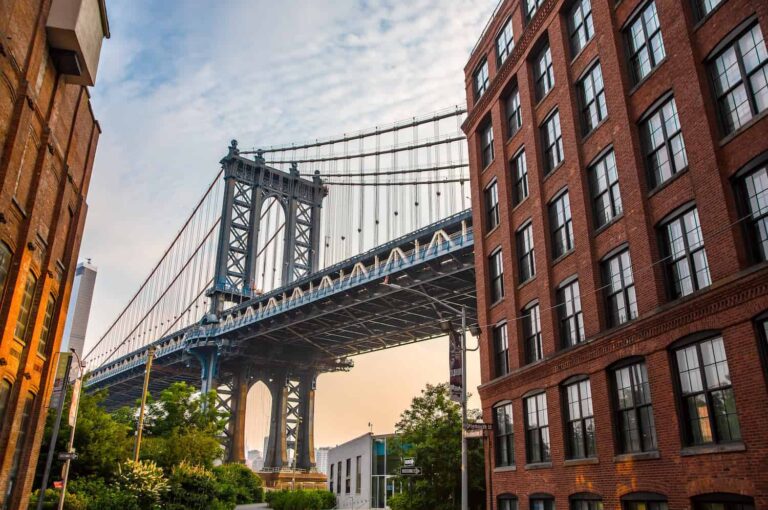

For the top picks of places to live in Brooklyn, you can look to Park Slope and Brooklyn Heights for architecture and green spaces, or Bay Ridge and East Flatbush if you’re seeking better value and a quieter pace.
According to the U.S. Census Bureau, Brooklyn remains New York City’s most populated borough, with over 2.6 million residents. Because so many people call this place home, finding the right spot among the many Brooklyn neighborhoods can feel like a challenge.
At HireAHelper, we’ve helped thousands of people navigate their moves. Our platform makes it simple to compare local moving services so you can focus on enjoying your new home in Brooklyn, whether you’re moving a small studio or a large family house.
Should You Move to Brooklyn
Brooklyn is a good fit for people who want a mix of city life and community charm. It’s perfect for young professionals who want to be close to Manhattan but prefer a more creative vibe. Families also thrive here, especially in areas with large parks and great schools. You can find amazing food, museums, and street art everywhere, and every block has its own history and “neighborhood” feel. Plus, most areas have great subway and bus links to the city.
“Some buildings [in Brooklyn] only allow moves on certain days or hours. Always check with your landlord or building manager before you pick a moving date.”
However, life here is not for everyone. The cost of living is still much higher than the national average, and you get less for what you’re paying — apartments are often much smaller than what you find in the suburbs. If you own a car, finding a parking spot can be a daily struggle in many areas. You should also be ready for crowded subways and a fast-paced lifestyle.
Real Estate in Brooklyn, NY
The Brooklyn real estate market is booming and highly competitive in 2026. According to Zillow data from early 2026, the average home value in Brooklyn (Kings County) is approximately $915,205. This represents an increase of nearly 5% over the past year. Homes typically go pending in about 65 days, showing steady demand.
The rental market in the borough also remains strong and active. The average rent in Brooklyn currently sits at $3,516 per month, which is well above the national average. While prices vary by neighborhood, the overall trend shows a yearly rent increase of about 4.7%.
Brooklyn Neighborhood Map
Each neighborhood in Brooklyn, NY, has its own clear boundaries and character. You can often tell where one ends and another begins just by looking at the street signs or the style of the buildings. These areas are defined by their unique history, local shops, and the parks that residents use every day.
The vibe and cost of living can change quickly from one block to the next. Some neighborhoods are packed with high-end boutiques and sleek modern towers while others offer quiet streets with historic homes and family-run markets. Your choice depends on your budget, how you like to spend your weekends, and how long of a subway ride you can handle.
The map below shows the locations of the top areas we recommend for your move.
Best Neighborhoods in Brooklyn
It’s hard to say what exactly makes a neighborhood better than others, as it all depends on what you’re looking for. But most people moving to Brooklyn come in search of affordable housing (for the NYC area, anyway), safe neighborhoods, and family-friendly amenities.
With that in mind, here are some of the best Brooklyn neighborhoods based on those qualities.
Cobble Hill
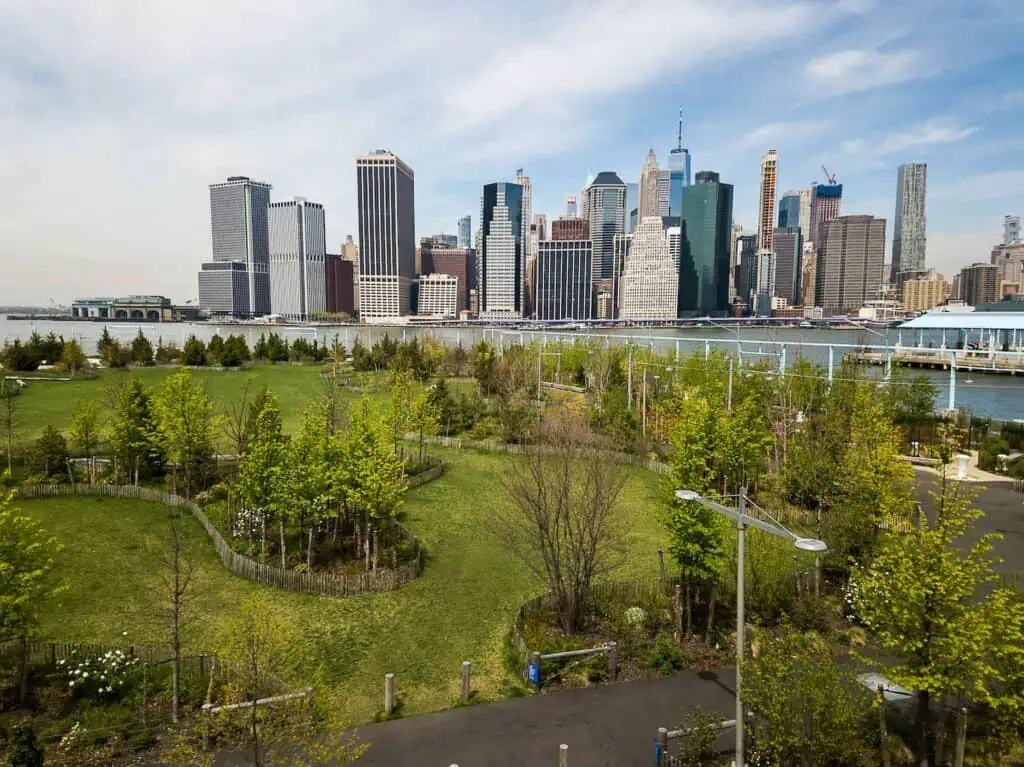
Cobble Hill brings together everything that’s important to families. The area is full of schools, especially preschools, and plenty of green parks. You will find grocery stores, bookstores, and bakeries around every corner. It also features one of the most convenient movie theaters in the borough. The neighborhood is right next to the waterfront, which gives you easy access to the NYC Ferry and the incredible playground at Pier 6.
Living in this charming area comes with a higher price tag, though, and you should be prepared to pay more than the median home prices and rents of Brooklyn overall.
Brooklyn Heights
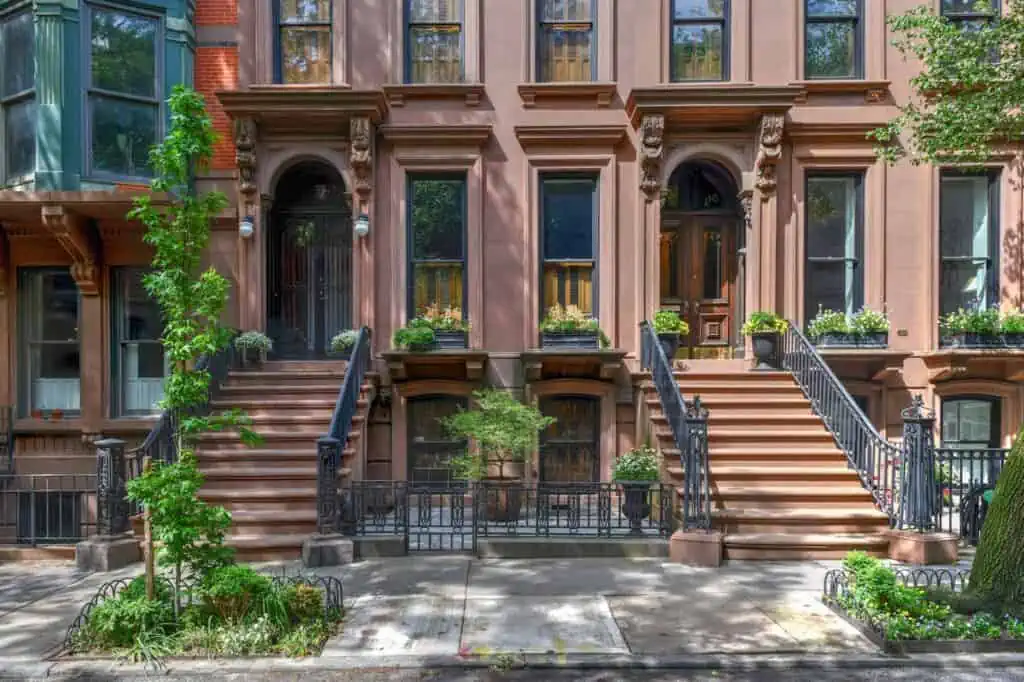
Brooklyn Heights is a sprawling neighborhood full of stunning buildings. The area is dotted with gardens, playgrounds, dog parks, and athletic courts. This neighborhood is famous for being popular with celebrities, and it’s easy to see why. The homes here are beautiful brownstones wrapped in ivy and filled with classic architecture.
Often called “America’s original suburb,” this trendy area offers a mix of local shops and big-name businesses. The neighborhood’s east side runs along the scenic Brooklyn Promenade. Families also appreciate the highly rated public and private schools in the area.
Brooklyn Heights is a great place to live if your budget allows for it. The appeal and popularity of the neighborhood, especially with celebs, means your costs in this area will be significantly higher than in other neighborhoods in Brooklyn.
Park Slope
Nestled in the heart of Brooklyn, Park Slope blends urban energy with small-town charm. Its historic brownstones define quintessential Brooklyn living without all the late-night noise. But one of the things that makes Park Slope uniquely desirable is how close it is to iconic spots. You can easily walk to the Brooklyn Museum, the Brooklyn Botanic Garden, and Prospect Park. It’s full of local shops and great places to eat, like Haenyeo, Miriam, and Harlem Shake.
While anyone can enjoy living here, it’s a true paradise for parents. Niche ranked Park Slope among the top 10 neighborhoods in NYC to raise a family. The schools are above average, crime is low, and the streets are very walkable.
Bay Ridge
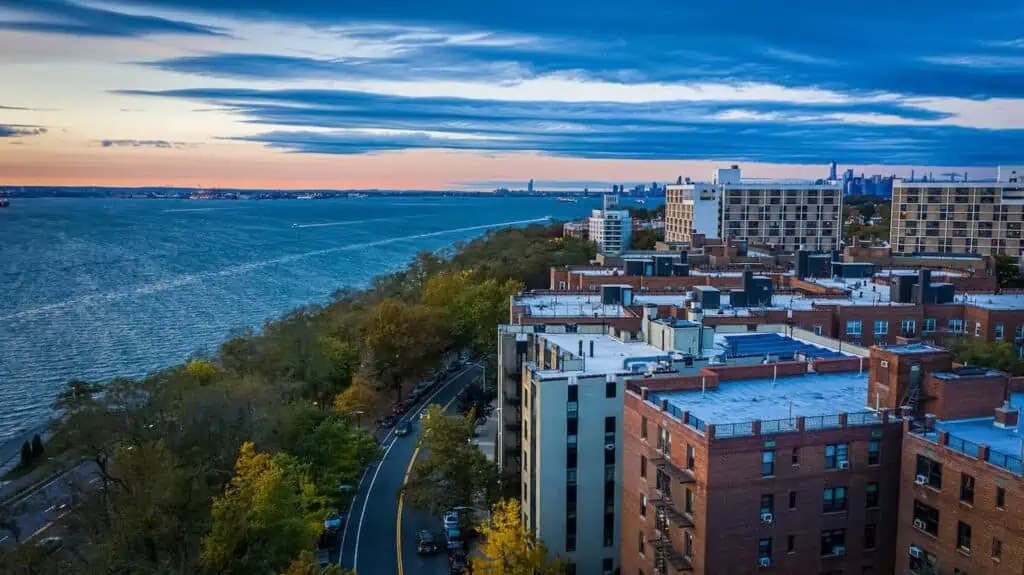
Bay Ridge has long been one of the most affordable places to live in the borough. It sits far from the hustle of Manhattan, which gives it a quiet, suburban feel. You can spend your weekends strolling along Shore Road or exploring the many family-owned restaurants and boutiques along 3rd and 5th Avenues.
Despite the rising costs across NYC, Bay Ridge remains a fantastic value for anyone who doesn’t mind a slightly longer commute.
East Flatbush
If you’re looking for a neighborhood with deep roots and a rich culture, East Flatbush is a top contender. This area is famous for its strong Caribbean heritage. You can see this influence everywhere, from the colorful stalls of the Flatbush Central Marketplace to the incredible food at local favorites like Footprints Cafe. It’s also home to the Wyckoff House Museum, which is the oldest building in New York State.
Living here places you near major hubs like Kings County Hospital and the Brooklyn Terminal Market. It’s a great spot for those who want to be part of a vibrant community without the high price tag of the waterfront.
Housing in East Flatbush remains more accessible than in many other parts of Brooklyn, too, so it’s a good place to start looking if your budget doesn’t fit other neighborhoods.
Brighton Beach
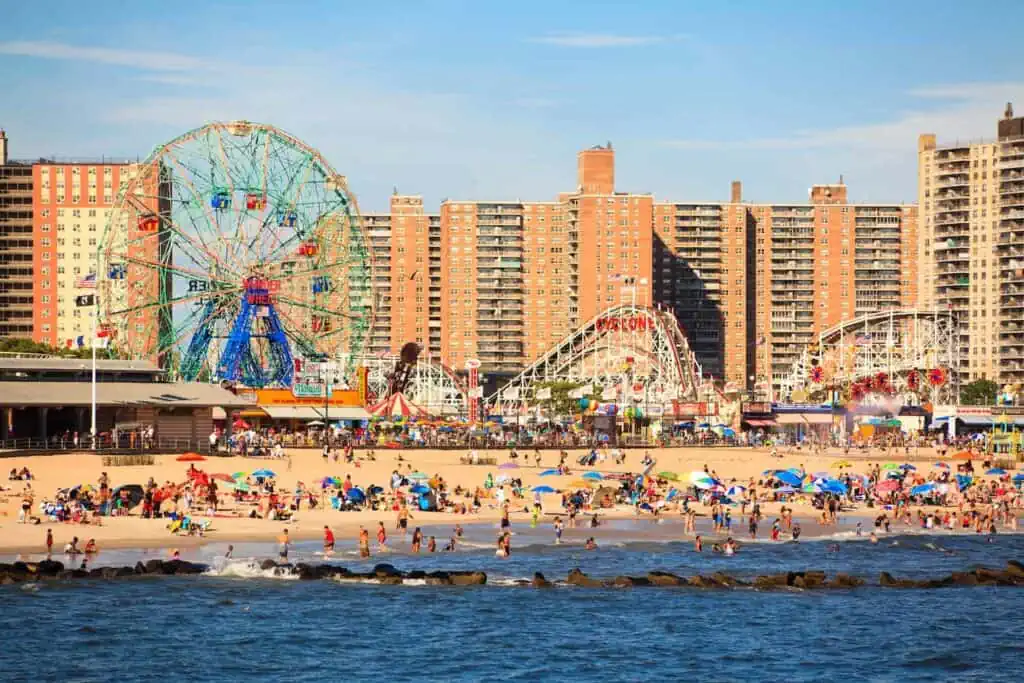
If you have heard people talk about Brighton Beach, they were likely raving about the Eastern European food (like at Ocean View Cafe) or the beach itself. This neighborhood sits between Coney Island and Manhattan Beach. To the south, you’ll find a relaxing boardwalk with stunning views of the Atlantic Ocean. It’s a very popular summer destination for visitors, and for good reason!
If you somehow get tired of relaxing on the beach, you can head to the main shopping district on Brighton Beach Avenue. This area stretches between Brighton 15th Street and Ocean Parkway. You can find almost anything here, including bakeries, jewelry stores, and small boutiques.
Living in this unique area is a great way to experience Brooklyn, and it’s only a Q-train ride away from Manhattan.
Dyker Heights
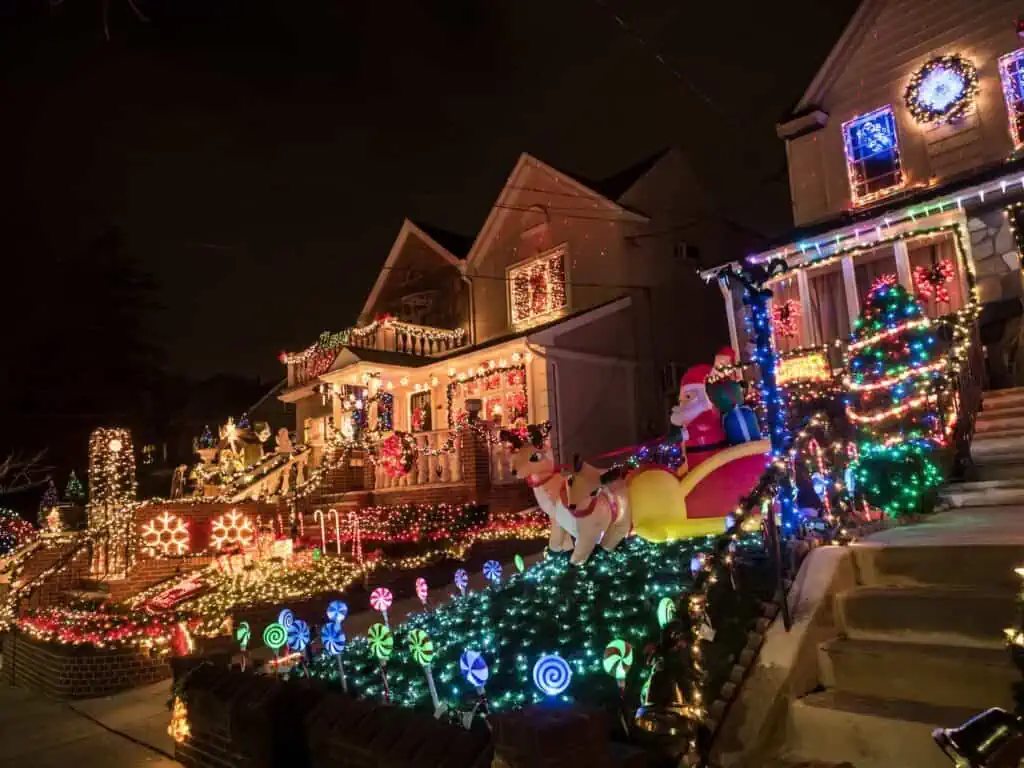
Located in southwest Brooklyn, Dyker Heights offers a close-knit community feel that’s hard to find elsewhere. Locals enjoy outdoor escapes to McKinley Park, which has plenty of dog-friendly areas. Dyker Beach Park is another favorite, featuring waterfront views, a golf course, and multiple sports fields. The dining scene is impressive, too. You can find authentic Italian fare at Mama Rao’s or grab a quick slice at Krispy Pizza.
Ask any New Yorker about this area, and they’ll surely mention the famous Christmas light displays. For over 30 years, residents have put on massive holiday shows that attract over 100,000 visitors each year. Residents take immense pride in maintaining the neighborhood’s charming character, resulting in meticulously kept houses and beautifully landscaped streets.
Dyker Heights is also one of the safest Brooklyn neighborhoods, with a total crime rate that’s 26% lower than the national average.
Kensington
Kensington shines as a Brooklyn gem for many reasons. Safety takes center stage here, as the total crime rate is a remarkable 86% below the national average.
Located in central Brooklyn, Kensington sits just south of Prospect Park and the historic Green-Wood Cemetery. While there are fewer businesses in this area than in other spots, you can still find great food at local favorites like Werkstatt and Hamilton’s. In general, this neighborhood is a great choice if you want more space for your money.
Moving Costs and Logistics in Brooklyn
Because New York City is so dense, it has some unique rules and processes when it comes to moves. Your specific neighborhood and building type will also change how much effort and money your move will take. Key factors to keep in mind include:
- Moving costs: Prices vary not only based on how much stuff you have, but also on your neighborhood. Busy areas with tight streets often cost more, since movers often have to exert more effort and take more time getting through things like stairwells and narrow doorways, while outer areas with easier access may save you money.
- Truck access and parking: Many streets in Brooklyn are narrow and have limited parking spaces. Getting a parking permit is practically a necessity, since it ensures your truck has a spot near your door. Some neighborhoods actually do require you to have one, or you risk a tow, so double-check the rules for your specific location.
- Walk-ups vs. elevators: Moving into a fourth-floor walk-up in a brownstone can take twice as long as an elevator building. This extra time often leads to higher labor costs.
- Distance from suburbs: Coming from outside the city takes more time due to heavy bridge traffic. Plan for delays and higher fuel costs if you’re traveling far.
- Building rules: Some buildings only allow moves on certain days or hours. Always check with your landlord or building manager before you pick a moving date.
Many buildings in Brooklyn, especially luxury high-rises, also require a Certificate of Insurance (COI). This document indicates that the movers working to relocate you have insurance, so the building isn’t liable. Add this step to your moving checklist early to avoid delays.
How to Choose the Right Mover for Your Brooklyn Move
If you want to find movers in Brooklyn, you need to plan for the area’s unique challenges. Moving from a nearby suburb is very different than a long-distance haul, and the narrow streets and local traffic can slow things down. You need a crew that knows how to navigate these tight spaces and busy roads safely.
Look for teams with experience in the borough. A good moving company will have local knowledge that helps them avoid things like parking tickets and heavy delays. You can compare several options through HireAHelper’s marketplace to see real customer feedback. Here are some more steps to take when it comes to choosing movers:
- Read reviews from people who moved into similar buildings.
- Confirm the company has a valid license and insurance.
- Ask about extra fees for stairs or long walks.
- Check if they can meet building rules and provide insurance if needed.
- Get a clear quote before you book.
- Compare prices for several of the best moving companies.
It’s always smart to ask movers about their specific experience with Brooklyn walk-ups or elevators. Also, knowing their policies on heavy items can help you avoid surprises on moving day.
FAQs About Brooklyn Neighborhoods
How can I save money on my move to Brooklyn?
The best way to save is to declutter before you pack. After all, the less you move, the lower your costs will be. You should also try to schedule your move mid-month or on a weekday to avoid peak pricing.
For those on a budget, using a platform like HireAHelper to find labor-only help is a great way to save, especially if you’re willing to drive your own rental truck.
What should I know about moving into a Brooklyn brownstone or walk-up?
Moving into a walk-up takes more time and physical effort. Narrow staircases and tight corners often mean you need to take apart large furniture. Most moving companies charge extra fees for each flight of stairs, so be honest about your floor number when booking. Measuring your doorways and hallways ahead of time is also a smart move, since the last thing you want is to realize your sectional won’t fit only after you’ve tried to shove it through your doorway.
Which Brooklyn neighborhoods are best for families?
Park Slope and Brooklyn Heights are famous for being family-friendly due to their great schools and proximity to Prospect Park. For more affordable options, many families look at Bay Ridge or Kensington. These areas offer a quieter pace of life, plenty of playgrounds, and a strong sense of community that makes them perfect for raising children.
Do I need a car to live in Brooklyn?
Most residents find they don’t need a car. Brooklyn has an extensive network of subways, buses, and ferries that make commuting easy. Parking is often difficult and expensive in most neighborhoods, too. If you only need a car occasionally for trips out of the city, using a ride-share service or a short-term rental is usually much cheaper.