



In general, fall is one of the best times to move. You save money and stress by moving outside of the summer peak season, the weather is milder in most of the U.S., and there’s more availability from rental truck companies and moving crews. But, there are also the drawbacks of school year interruption, shorter daylight hours, and traffic from university move-in days.
Whether or not this season is right for your move depends on your budget, schedule, and other needs. Our guide explains the pros and cons of fall moves, who they’re best for, and tips on how to make your move in the fall as smooth as possible.
Table of Contents
Pros of Moving in the Fall
There’s a lot to like about moving in the fall. The autumn months offer an attractive mix of convenience and savings that the other seasons just can’t match. Here are some of the benefits of picking this time to move.
Better Availability and Scheduling Flexibilit
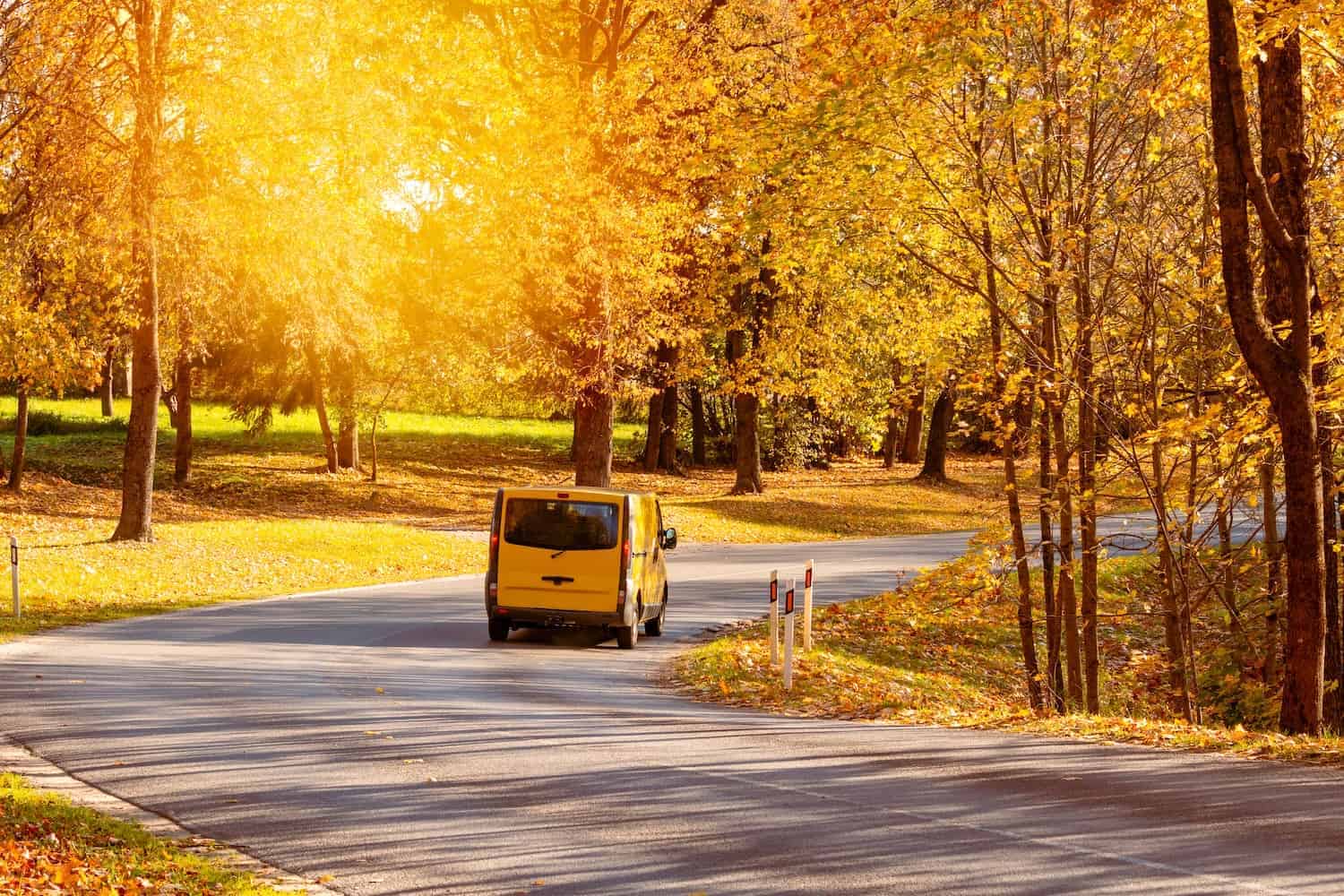
The majority of Americans move during the summer, so movers have an influx of individual, corporate, and military moves from June through August. It can be tough (if not impossible) to nail down movers on the day you need them. But in the fall, the calendar opens up, giving you significantly more weekday and weekend availability to pick a date that actually works for you.
That availability extends to your equipment, too. Finding the right size rental truck locally in summer can be as tough as finding good movers. That’s seldom the case in the fall, when you might be able to go to your nearest rental truck office, walk out onto the lot, and drive away in the right size truck with no problems.
Lower Costs
You can usually snag high-quality movers without spending too much because high demand during the summer drives up rates. Be aware, though, that a full-service move will still be pricey, so you might want to consider renting a truck or moving container yourself and hiring movers to load and unload if your budget’s tight.
“Fall means lots of foggy mornings, which form when warm, moist air cools rapidly. Using your high beams may seem the logical thing to do, but high beams decrease visibility and increase the glare reflecting off the fog.”
Gasoline prices also usually drop after the big summer vacation rush, along with other factors. Plus, many major van lines often have stacks of used packing boxes that they’ll sell for a fraction of what new boxes cost after their busy season.
More Mover Availability
To manage the chaos of the busy summer season, most moving companies hire summer labor, who may or may not be experienced and professional. You’re likely to get better service in the fall, then, because moving companies return to their core crews of experienced movers once summer’s over. Working with vetted pros is a clear benefit for you and your valuable belongings.
Milder Weather (With Fewer Extremes)
In most of the U.S., fall comes with cooler days but without the extremes — and dangers — of winter, making the physical work of moving much more comfortable. While gas prices might be lower in winter, so are the temperatures, bringing snow, ice, and slush to many northern parts of the country. Fall offers a nice break from the heat, though there are still certain weather hazards to consider.
Cons of Moving in the Fall
As great as the benefits are, moving in autumn still does come with a few challenges. Keep the following in mind before deciding on a fall relocation.
School Year Conflicts

Moving in the fall means putting kids in a different environment in the middle of the school year, and being the new kid can be tough. It’s a tough choice to make between moving in the summer when school’s out vs. plunking them into a new school and possibly a challenging environment in the fall. But kids are resilient as long as they have plenty of support. Ultimately, do what’s best for your family after weighing the options.
Traffic
Depending on where your moving route takes you, traffic can sometimes be worse in the fall because school buses and commuters are back in full force. It’s not as bad as the holiday season or summer vacation time, but you have schoolkids running around, college students coming back to the dorms, football games happening over the weekends, and tourists flowing in for many local events.
“Rake your walkways before movers arrive; wet leaves are a major slip-and-fall hazard.”
There are plenty of things in the fall that can cause traffic jams or road conditions that require especially careful driving. All that weight in a rental truck makes it harder to stop when something jumps out at you. Please watch out for school buses, which often come with kids running out into the street.
Shorter Daylight Hours
There are more dark hours than daylight after September 21st, meaning there’s only so much time to safely move stuff in and out of the house. As such, movers may have to choose between hurrying up and finishing while it’s still light or working into the dark of night. Either option is less than appealing and possibly dangerous.
Holiday-Related Scheduling Issues
Holidays like Halloween and Thanksgiving can meddle with your move logistics. If you’re a Halloween buff or a football fan, a move during this season might conflict with your plans. Especially if you plan to do everything yourself for your move, the planning, packing, loading, and other tasks will take up a significant chunk of free time in your likely already busy life. So, you’ll have to weigh the benefits of moving in the fall and other seasonal activities
Fall vs. Summer vs. Winter Moving
Check out this breakdown of the key factors that impact your move to see how they compare.
| Factor | Summer (Peak Season) | Fall (Shoulder Season) | Winter (Off-Season) |
| Cost | $$$ | $$ | $ |
| Availability | Low (Book months ahead) | High (Flexible dates) | High (Except holidays) |
| Weather | Hot/Humid | Mild/Cool | Cold/Snow/Ice |
| Traffic | High (Vacationers) | Moderate (School/Work) | Moderate (Weather delays) |
| Flexibility | Low | High | High |
Month-by-Month Fall Breakdown
If you have the flexibility to choose exactly when you move, picking the right month can make a big difference in your experience.
September
September is a smart choice if you want good weather, but you’ll still face some lingering summer competition. The weather is usually pleasant for working outside. However, because it’s technically the start of the off-season, you might still see some higher prices early in the month as the summer rush tapers off.
October
October offers a balance of low demand and crisp, comfortable weather. By this time, the summer rush is completely over, so availability is high, and rates are often at their lowest before the holiday season kicks in. If you can pick any month to move, this October is usually a cost-effective and easy-to-execute option.
November
November is typically the cheapest month of the fall, but you have to navigate colder weather and upcoming holidays. You can find great deals, but you run the risk of early snowstorms in northern states. You also have to plan carefully to avoid clashing with Thanksgiving travel traffic.
Weather Considerations When Moving in the Fall
Despite not featuring triple-digit temps or icy snowstorms, fall weather can still be unpredictable. Here’s what to watch out for when you’re moving in autumn.
Rain-Proofing Your Move
Fall rain can hit unexpectedly, so prepare to keep your items dry while moving. Plastic bins are superior to cardboard for this season. Keep towels handy to wipe down furniture as it comes off the truck to prevent moisture from damaging upholstery or wood finishes.
Protecting Temperature-Sensitive Items
Electronics, artwork, musical instruments, and wood furniture can warp or crack if exposed to fluctuating fall temperatures and humidity. Transport sensitive items in your personal vehicle where you can control the climate if you’re moving in late fall when nights get cold.
Weather Patterns and Fog

Fall means lots of foggy mornings, which form when warm, moist air cools rapidly. Using your high beams may seem the logical thing to do, but high beams decrease visibility and increase the glare reflecting off the fog. Use your low beams instead.
According to the National Oceanic and Atmospheric Administration (NOAA), fog can also freeze exposed surfaces, like vehicles and roadways, when it gets cold enough. It can also lead to black ice, which forms when water freezes without air bubbles getting trapped inside, making it appear black and wet like water.
Leaves: What the Season’s Known For
Fallen leaves plus cooler weather equals treacherous conditions. A road covered with wet leaves is many times more slippery than just wet pavement, and even a simple pile of dry leaves can be a hazard.
If leaves clog your catalytic converter, it can get hotter than 1,600 degrees. At those extreme temperatures, there’s enough heat to set a pile of leaves smoking.
Who Moving in the Fall Is Best For
Fall is ideal for:
- Budget-conscious movers: If saving money is your top priority, the price drops in the fall make it an easy choice.
- Apartment renters: Leases often turn over in the fall, giving you more inventory to choose from.
- Flexible schedules: If you aren’t tied to a school calendar, you can take advantage of the slower season.
- DIY or labor-only movers: Rental trucks and equipment are readily available, making a self-move much easier to coordinate.
Fall may not be ideal for:
- Families with school-age children: Changing schools a month into the year is tough on kids.
- Holiday-adjacent moves: If you need to move the week of Thanksgiving, Halloween, or big local football events, the stress and traffic might outweigh the savings.
Tips for a Smooth Fall Move
If you’ve decided that fall is the best time for you to move, here are some more tips to keep your relocation on track and stress-free:
- Book early for October weekends: Even though it’s slower, the best weekends in October still fill up fast.
- Clear the leaves: Rake your walkways before movers arrive; wet leaves are a major slip-and-fall hazard.
- Pack with weather in mind: Keep rain gear and warm layers in a separate “first day” bag so you aren’t digging through boxes when the temperature drops.
- Label boxes clearly: With less daylight, reading handwriting on boxes in a dim truck is hard; use bright, color-coded labels.
- Build in buffer days: Fall weather can be unpredictable, so give yourself a day or two of wiggle room in case of a storm or bad conditions.
Can You Save More With Labor-Only Moving in the Fall?
Labor-only moving is a hybrid method where you rent the truck or container and hire professionals to do the loading and unloading. It’s typically cheaper than full-service moving throughout the year, but the savings are even more impressive in the fall.
Demand for rental trucks plummets in the autumn, so you can often rent a large truck for a fraction of the summer cost. And you avoid the physical strain of lifting heavy furniture while avoiding the markup of full-service van lines. It’s a seriously cost-effective way to move.
Moving in the Fall FAQs
Is moving in the fall cheaper than summer?
Yes, moving in the fall is almost always cheaper than moving in the summer. Since demand drops off after summer vacation, moving companies and rental truck agencies lower their rates to attract customers.
What is the best month in the fall to move?
October is a favorable month to move. It offers the most consistent weather, excellent availability for movers, and very competitive pricing before the winter holidays begin.
Is moving in the fall better than winter?
Fall’s better than winter for moving because the weather is significantly safer. Winter might be slightly cheaper, but the risk of snow, ice, sleet, and freezing temperatures makes fall the superior choice for most people.
Do movers charge less after Labor Day?
Most movers lower their rates after Labor Day because the peak summer moving season officially ends. You will typically see lower hourly rates and more willingness to negotiate during this time.
How far in advance should I book a fall move?
You should book your fall move at least 2 to 4 weeks in advance. While you don’t need the 2-month lead time required for summer, booking early ensures you get your preferred time slot and the best service providers.
Are moving trucks cheaper in the fall?
Rental trucks are significantly cheaper in the fall compared to the summer. Inventory is high because fewer people are moving, so agencies often offer lower daily rates and mileage deals.
Should I avoid moving around Thanksgiving?
You should avoid moving the week of Thanksgiving if possible. Traffic is heavier, labor availability is lower, the weather is iffy, and the stress of the holiday can make the process much more difficult.
Is fall a good time for apartment moves?
Fall is a smart time for apartment moves because many leases end in late summer, leading to higher vacancy rates. You often have more options to choose from and may find landlords willing to offer move-in specials to fill units before winter.