

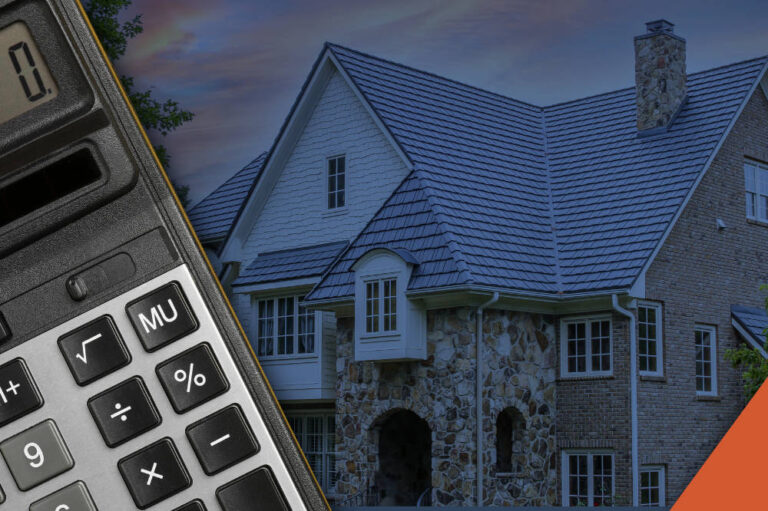

One of the first questions homeowners ask when it’s time to replace their roof is: “How much is a new roof going to cost?” It’s an understandable question. After all, replacing a roof is one of the largest investments you’ll make in your home.
But asking “How much does a roof cost?” is a bit like asking “How much does a car cost? The answer depends on a variety of factors. Here are some of the biggest things that influence the price of a new roof.
Factors That Influence the Cost of a Roof in 2026
1. The Size of Your Roof
This may seem obvious, but larger roofs require more materials and more labor. Contractors measure roofs in “squares,” with one “square” equaling 100 square feet of roof area. A roof’s surface area is usually much larger than the home’s living space area because of slopes, overhangs, garages, and porches.
2. Roof Complexity
Two roofs may cover exactly the same living space, yet one could cost thousands of dollars more to replace. Why? Because complexity matters.
Steep slopes, valleys, dormers, skylights, chimneys, intersecting rooflines, and numerous flashing details all require additional labor and craftsmanship. A simple ranch home is far different from a large two-story home with numerous architectural features. Additionally, the more complex a roof is, the higher percentage of waste will be involved, and you pay for that waste the same as product that is actually installed on your roof.
3. Roofing Material
Not all roofing products cost the same. Common choices include:
- Asphalt shingles
- Metal roofing
- Cedar shake
- Slate
- Concrete or clay tile
- Polymer or plastic roofing materials
Each has different material costs, installation requirements, expected lifespan, maintenance needs, and long-term value. The least expensive product upfront, of course, isn’t always the least expensive roof over the life of your home. Many homeowners make an evaluation of “cost per year” part of their research when choosing a new roof.
4. Roof Removal
If your existing roof must be removed before the new roof is installed, demolition and disposal become part of the project. Multiple existing layers can increase labor costs, and disposal fees continue to rise in many parts of the country. Occasionally, particularly with metal shingles, existing roofing can remain in place depending on local building codes and roof condition.
5. Hidden Damage
Unfortunately, no one knows exactly what’s beneath your existing roof until it’s removed. Rotten roof decking, water damage, deteriorated framing, or ventilation problems may require repairs before the new roofing system can be installed properly. A thorough attic inspection can help identify hidden damage.
6. Local Labor Costs
Roofing labor varies significantly across the country. Local wage rates, insurance requirements, licensing, availability of skilled installers, and regional demand all influence installation costs. Estimates from different parts of the country can vary substantially.
7. Roofing Accessories
Many homeowners focus almost entirely on the roofing material itself. In reality, every roof includes numerous supporting components. These will impact both materials and labor and may include:
- Underlayment
- Ventilation
- Pipe flashings
- Drip edge
- Fasteners
- Snow management systems
- Ice melt systems
- Gutters
- Valley pans
- Protrusion flashing such as skylights and chimneys
- Cupolas, weather vanes, and lightning protection
8. Ventilation
Proper attic ventilation is often overlooked but can be critical to a healthy home. If ventilation upgrades are needed, they may become part of the roofing project. Balanced intake and exhaust ventilation can help:
- Extend roof life with oil-based roofing
- Improve energy efficiency
- Reduce moisture buildup / avoid condensation
- Improve attic comfort
9. Warranties
You should receive separate warranties for materials and installation labor, but not all warranties are the same. Understanding exactly what is—and isn’t—covered helps homeowners compare proposals more accurately.
10. Contractor Experience
Perhaps the most important factor isn’t the roof itself. It’s the contractor installing it. Experienced contractors invest in:
- Employee training
- Proper insurance and licensing
- Safety programs
- Quality equipment
- Professional project management
- Ongoing customer service
Those investments may increase the initial price but often result in a smoother installation and greater long-term confidence.
Price Is Important. Value Is More Important.
Every homeowner has a budget, and comparing prices is a natural part of the buying process. However, a roofing project shouldn’t be evaluated on price alone. When comparing roofing proposals, don’t just ask, “Why is one estimate lower?” Also ask, “What might be missing?” The lowest price and the best value are often two very different things.
Ask specific questions such as:
- How long is this roof expected to last?
- What maintenance will it require?
- What warranty is included?
- What accessories are being installed?
- How experienced is the work crew?
- What reviews do past customers provide?
- Will this roof improve my home’s value and curb appeal?
The goal isn’t simply to purchase a new roof. The goal is to make a smart investment that protects your home for decades to come.
When you understand what influences roofing costs, you’ll be much better equipped to compare proposals—and choose the roof that’s right for your home. Contact us anytime for more information on deciding between permanent roofing solutions and staying on the re-roofing cycle.