

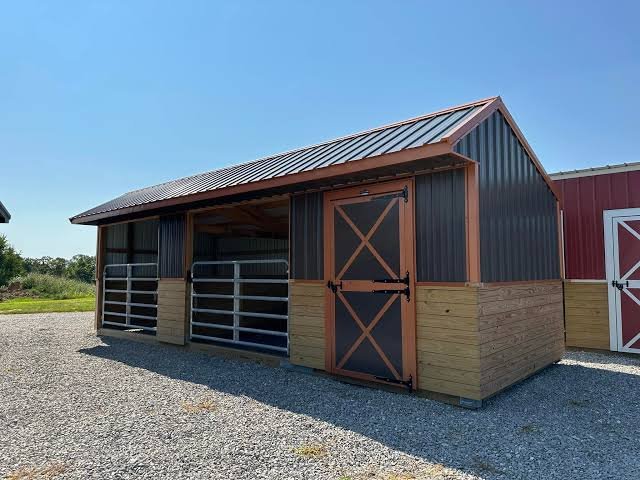

Adding a backyard animal shelter can make daily care more convenient, but it is a property project as well as an animal-care decision. A barn needs to suit the animals that will use it, fit the site, and work with local rules and the household’s routines. Thinking through those details before choosing a building can help prevent problems such as poor drainage, difficult cleaning, inadequate ventilation, or an awkward location.
The right setup depends on the species, number of animals, climate, and how much time you can devote to upkeep. A structure that works for a few backyard chickens may not be suitable for goats, rabbits, or larger livestock. Start with the animals’ needs, then plan the building and surrounding area around them.
Identify the animals’ needs first
Before comparing barn styles or sizes, list the animals the shelter will serve. Consider their adult size, behavior, shelter requirements, and whether they will share the space. Some animals need individual resting areas or separation during feeding. Others may need room to move away from one another, especially if they are housed in groups.
Think about the shelter’s purpose, too. Will it provide a place to sleep, protection from severe weather, a secure area at night, or a combination of these? Animals may also need access to an outdoor run or pasture. The shelter should support their daily routine rather than simply provide a roof.
If you are new to keeping a particular species, consult a veterinarian or a reliable animal-care organization before finalizing the design. Appropriate space, temperature, ventilation, and social arrangements vary. Getting advice early can prevent an expensive structure from being poorly suited to its intended occupants.
Check local rules and property restrictions
Requirements for accessory buildings and animal keeping vary by location. Before purchasing or installing a barn, contact the local planning or building department to ask about permits, setbacks, height limits, foundations, drainage, and other applicable rules. Separate regulations may cover the number or type of animals allowed, sanitation, noise, manure storage, or fencing.
Also check for easements, underground utilities, septic systems, and property-line restrictions. If you live in a neighborhood with a homeowners association, review its rules before making plans. A building that seems modest may still be subject to location or appearance requirements.
It is helpful to confirm rules in writing or keep a record of the guidance you receive. Requirements can depend on the building’s size and use, so describe the project accurately. A few calls before installation are easier than relocating a barn after it is in place.
Choose a suitable site
A convenient location can save time every day. Position the shelter where you can reach it easily in the weather conditions common to your area, while leaving enough room to carry feed, bedding, water, and cleaning supplies. Consider the route from your house, the storage area for supplies, and the path for removing waste.
Ground conditions matter. Avoid low spots where rainwater collects or where the soil stays wet. Persistent dampness can make the interior uncomfortable, complicate cleaning, and contribute to wear around the building. If the site needs grading or a foundation, get advice on how to direct water away from the structure without sending runoff toward a neighbor or another part of the property.
Look at the site through the seasons. Shade may be helpful in a hot climate, while protection from prevailing wind can make a shelter more comfortable in cold weather. However, trees close to the building can create maintenance issues, and branches may pose a risk during storms. Leave room to inspect and repair the exterior, clear vegetation, and maintain fencing.
Plan for enough usable space
A barn should provide enough room for the animals to rest and move comfortably, along with space for any necessary feeders, water containers, nesting areas, or partitions. The usable interior is often smaller than the outside dimensions suggest, especially once equipment and storage are included.
Avoid planning only for the animals’ current size or number. Young animals grow, and a household’s needs can change. At the same time, a building that is much larger than needed can be harder to maintain and may take up more of the yard than expected. A practical plan balances adequate space with the time and area available for upkeep.
Keep animal areas separate from feed and tool storage where possible. Chemicals, sharp tools, fuel, and equipment should be kept out of reach. If the barn will serve more than one purpose, plan distinct zones so routine chores do not create unnecessary risks.
Prioritize ventilation and weather protection
A shelter needs to protect animals from rain, wind, and other local weather while allowing fresh air to circulate. Poor ventilation can allow moisture, heat, odors, and airborne irritants to build up. The details vary by species and climate, so ask an animal-care professional or experienced builder about appropriate openings and airflow.
Ventilation should not mean exposing animals to direct drafts where they rest. Likewise, adding vents should not create a path for rain or pests to enter. Consider how doors, windows, and vents will work together, and make sure openings can be secured when needed.
Roofing and exterior materials should suit the local climate and be maintained according to the manufacturer’s guidance. Strong sun, heavy rain, snow, and high winds can all affect a building differently. Check that the structure is properly anchored and that its roof and walls are designed for expected conditions.
Make cleaning and drainage manageable
Cleaning is part of animal care, so design the barn around regular chores. Think about how you will remove soiled bedding, wash surfaces, and move waste out of the area. A wide enough entrance, a practical floor surface, and accessible corners can make the work less difficult.
Flooring needs to suit the animals and the cleaning routine. Surfaces should be stable and suitable for the species, while avoiding conditions that remain wet or become slippery. Ask for species-specific guidance rather than assuming that one material is appropriate for every animal.
Plan where manure, used bedding, and wash water will go. Keep waste storage away from wells, drainage paths, neighboring properties, and areas where runoff could carry contaminants. Local rules may specify how waste must be handled. A drainage plan should prevent standing water without directing it toward places where it can cause erosion or pollution.
Consider fencing, security, and outdoor access
For many animals, the barn is only part of the setup. The surrounding fence or run may be just as important for safety and daily movement. Choose fencing based on the animals’ size, behavior, and ability to climb, dig, or squeeze through gaps. Consider local wildlife and predators as well.
Inspect gates and latches regularly, and make sure they are easy for caretakers to use but secure against animals opening them. Keep fencing in good repair and leave enough space to access the outside of the barn for maintenance. If animals will have outdoor access, consider shade, shelter from weather, water placement, and the condition of the ground.
Think about how the animals will move between the shelter and outdoor area. A clear, nonslip route can make daily chores easier and reduce the chance of animals becoming crowded at a doorway. Avoid positioning the barn so that the entrance opens directly into a busy vehicle path or another hazard.
Plan for supplies and everyday tasks
Small choices can make a noticeable difference to daily care. Feed, bedding, water containers, cleaning tools, and first-aid supplies should be stored where they are easy to reach but protected from moisture, pests, and animals. Feed should be kept in secure containers, with storage practices suited to the type of feed and the local climate.
Consider lighting for early mornings and evenings. Any electrical work or heating equipment should be suitable for the building and installed according to applicable codes. Keep cords, bulbs, and heaters away from animals and flammable bedding, and ask a qualified professional if you are unsure what is safe.
Before installation, walk through an ordinary day of chores in your mind. Where will you park? How will you carry supplies? Where will you clean equipment? How will you handle a sick or injured animal? Planning around these tasks can reveal layout problems that are easy to miss when focusing only on the building itself.
Consider neighbors and the wider property
An animal shelter can affect people and spaces beyond your own yard. Think about noise, odors, flies, lighting, and where runoff or waste may go. Proper cleaning, sound waste management, and thoughtful placement can help reduce nuisance and protect good relationships with neighbors.
Keep the barn away from property lines when required, and consider whether its doors or windows face a neighboring home or outdoor living area. It may also be useful to discuss the plan with nearby residents before work begins, especially if construction access or changes to fencing will affect them.
Make a realistic budget
The cost of the building is only one part of the project. Include site preparation, delivery, installation, foundation work, fencing, drainage, ventilation, utilities, and supplies. There may also be ongoing expenses for maintenance, bedding, feed storage, and repairs.
Get clear information about what an installation quote includes. Ask whether the site needs to be level, whether access for delivery equipment is required, and who is responsible for preparing the ground. Setting aside a contingency for unexpected site work can help keep the project manageable.
Plan before you buy
A successful animal shelter begins with a clear understanding of the animals, the site, the regulations, and the routine of care. Confirm local requirements, choose well-drained ground, provide suitable space and airflow, and plan for cleaning, fencing, feed storage, and waste management. When animal-specific details are uncertain, seek guidance from a veterinarian or qualified animal-care professional.
Taking time to plan can help ensure the barn is more than a convenient structure. It can become a practical part of a safe, comfortable setup that fits the property and supports responsible daily care.