

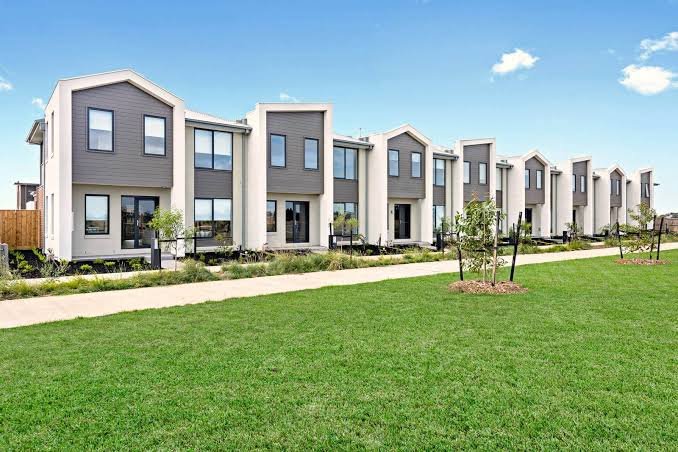

Melbourne’s inner west has changed a great deal over the past few decades. Suburbs once known for factories, wool stores and railway yards now offer village shopping strips, cafés, parks and quick trips into the city, and many former industrial sites have been transformed into new residential neighbourhoods.
For buyers, these renewal sites can offer something hard to find elsewhere. They bring new townhouses and apartments into established suburbs, close to transport and amenity, often at a lower price than a period home on a traditional street.
Buying on a former industrial site does come with its own checks. This guide explains what to look for, from the history of the land and the owners corporation to the details that separate a good townhouse from an average one.
Why the Inner West Appeals
The inner west offers a rare mix of character and convenience. Buyers get established suburbs with history and personality, within easy reach of the city.
Yarraville is a good example. Its village centre has independent shops, cafés and restaurants clustered around the train station, with services on the line into the city. Nearby parks, the Maribyrnong River trails and quick freeway access add to its appeal for families and professionals alike.
The area’s industrial past also shapes its present. Large former manufacturing sites have provided space for new housing on a scale that would be impossible in a fully built-out suburb, bringing new homes, laneways and public spaces into the neighbourhood.
How Urban Renewal Sites Work
Renewal sites turn land that once had a commercial or industrial use into residential communities. Understanding how they are planned helps you judge what you are buying into.
These projects are usually delivered in stages over several years. A masterplan sets out where homes, streets, open space and any retained heritage buildings will sit, and planning approvals govern building heights, density and design. Some sites keep elements of their history, such as factory facades, chimneys or sawtooth roofs, which can give the new neighbourhood a distinct identity.
Reviewing bradmill yarraville properties for sale, for example, shows how a former textile manufacturing site can be reshaped into a mix of townhouses and homes connected by new streets and green spaces. Looking at the masterplan alongside the listings helps you see where each home sits in relation to parks, future stages and the surrounding suburb.
Ask which stages are complete, which are under construction and what remains to be built. Living beside an active construction zone for a year or two is manageable for some buyers and a deal-breaker for others.
It also helps to compare value against the surrounding suburb. Look at recent sales of period homes and older townhouses nearby, and weigh their land size and character against the lower maintenance, energy efficiency and modern layouts of a new home. That comparison gives you a realistic sense of what you are paying for.
Understand the Land’s History
Former industrial land must be assessed and, where needed, remediated before homes are built. Asking the right questions gives you confidence about the site’s suitability for residential use.
In Victoria, land with a history of potentially contaminating uses can be subject to an Environmental Audit Overlay in the planning scheme, which generally requires an environmental audit or assessment before a sensitive use such as housing can proceed. Ask whether the site was audited and request a copy of the outcome, which typically confirms whether the land is suitable for residential use and lists any conditions.
Your conveyancer should review the vendor’s statement, known as the section 32, along with planning certificates and any conditions that affect how you can use the land, such as restrictions on growing vegetables in the ground or digging below a certain depth. Most renewal homes have no ongoing restrictions of this kind, but it is worth confirming rather than assuming.
What to Check in an Inner-City Townhouse
Townhouses on renewal sites can vary widely in design and build quality. A clear checklist helps you compare homes fairly and avoid compromises you will regret.
When comparing townhouses for sale yarraville listings with homes in neighbouring suburbs, check:
- Layout across each level, including whether there is a bedroom or study on the ground floor
- Natural light, particularly for townhouses with shared walls on both sides
- Private outdoor space, from courtyards to balconies and rooftop terraces
- Car parking, including whether garages fit a modern car and storage
- Noise transfer through shared walls and floors
- Energy efficiency, including insulation, glazing, heating and cooling and solar panels
Visit at different times of day to understand noise from nearby roads, rail lines or neighbouring industrial uses. Inner-west suburbs often combine homes with working ports, freight routes and remaining businesses, so check what sits within a few streets of each home.
For a new or near-new townhouse, ask who built it, whether the builder is registered and what warranties apply. Find out how defects are reported after handover and how quickly they have been fixed for earlier residents. A short conversation with neighbours in a completed stage can tell you a great deal about build quality.
Owners Corporation Fees and Rules
Many townhouses on renewal sites are part of an owners corporation, the Victorian equivalent of strata. The way it is run affects your costs and how you can use your home.
Ask for the owners corporation certificate, the current budget and recent meeting minutes. These show the annual fees, what they cover, whether a maintenance fund is being built up and whether any major works or disputes are underway.
Read the rules on pets, renovations, external changes, parking and short-term letting. Shared landscaping, laneways and common areas need ongoing care, so fees that seem low early in a project may rise as the community grows and maintenance needs become clearer.
Plan for How You Will Live There
The day-to-day experience of living in a renewal precinct is shaped by transport, local amenity and the pace of change around you. Thinking it through now helps you choose the right home within the site.
Walk to the station, the shops and the nearest school, and test your commute at peak times. Check bike paths and parking for visitors, since inner suburbs often have permit zones and limited street parking.
Consider how your needs may change. A three-level townhouse may suit a young family or professional couple today but become harder to manage later. Homes with a ground-floor bedroom or the option to add a lift can provide more long-term flexibility. If you expect to work from home, check that there is a quiet room away from the street and the living areas.
Final Thoughts
Buying a townhouse on a former industrial site in Melbourne’s inner west can offer a new home in an established neighbourhood, close to transport, parks and village life. The best outcomes come from understanding both the site’s history and the details of the home itself.
Read the masterplan, ask about environmental audits, review the owners corporation documents and inspect each townhouse with a clear checklist. Buyers who do this groundwork are well placed to enjoy the character of the inner west with the comfort of a modern home.