



Remodeling one room takes planning. Remodeling two can feel like trying to keep a normal life running while the house is being rearranged around you. The question is not only whether the kitchen and bathroom both need work. It is whether the timing, budget, materials, and daily routines can handle both projects at once.
For homeowners in Nazareth, PA, who are considering kitchen remodeling, the smartest plan starts with a clear look at how the two spaces affect each other. A kitchen and bath remodel combined can work well, but only when the schedule, scope, and decision-making process are organized from the beginning.
Can I remodel my bathroom and kitchen at the same time?
 You can remodel your bathroom and kitchen at the same time, but it is not the right fit for every household.
Doing both spaces together can be efficient if the projects are planned carefully, but it can also create more disruption if the home has limited bathrooms, a busy family schedule, or a kitchen that will be unusable during key parts of the project.
When remodeling both rooms together makes sense
A joint project can be a smart move when the home is already in need of a larger update. It may also help when both spaces share a similar design direction.
A combined kitchen and bath remodel may make sense if:
- You want both spaces finished within the same general season.
- You already have a clear budget for both rooms.
- You can handle temporary changes to cooking and bathroom routines.
- You want finishes, colors, and hardware to feel coordinated.
- You prefer one larger disruption instead of two separate projects.
For some homeowners, one organized project feels easier than stretching the work across several months or years.
Homeowners who are still deciding how much to invest in each space may also want to compare how kitchen and bathroom remodels compare to other remodels from a value perspective.
When separate projects may be better
Separate projects may be better if daily access is the biggest concern.
A kitchen project can affect meals, storage, dishwashing, and household traffic. A bathroom renovation can affect privacy, morning schedules, showers, and guest access. When both happen together, those disruptions can overlap.
Spacing the work out may be better if:
- You only have one full bathroom.
- You cook at home every day and need more flexibility.
- Your budget is more comfortable in phases.
- You want time to make design decisions between projects.
- Your household schedule is already packed.
Good home renovation planning should protect the people living in the home, not just move the project along faster.
What should be planned before starting both remodels?
The full scope should be clear before work begins. Two-room projects become harder when decisions are made too late. Materials, layout changes, installation timing, and daily access all need attention early.
1. Start with the rooms’ biggest problems
Before choosing finishes, define what each room needs to solve. For the kitchen, that may include:
- Better cabinet storage
- More useful prep space
- Updated counters
- Easier cleanup
- Improved lighting
- A layout that supports everyday cooking
For the bathroom, that may include:
- A better shower or tub
- Updated vanity storage
- Safer flooring
- Easier-to-clean surfaces
- Better lighting
- A more comfortable layout
This keeps the project focused on real improvements instead of surface-level changes.
2. Decide where coordination matters
The kitchen and bathroom do not need to match, but they should feel like they belong in the same home. That might mean repeating a metal finish, choosing similar cabinet tones, or using related countertop colors. Keep in mind the renovation trends in 2026 while considering these design choices.
This may also mean keeping one room softer while the other has more contrast. Coordinated choices often include:
- Cabinet finishes
- Hardware color
- Countertop tone
- Flooring transitions
- Tile style
- Lighting temperature
- Wall color direction
This is where a remodeling timeline should connect with design planning. If materials are selected early, the project has fewer delays later.
Is it better to use one contractor for both renovation projects?
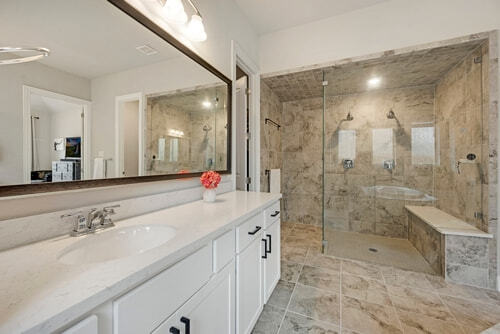 In most cases, using one organized contractor for both projects is easier.
A kitchen and bathroom involve different details, but they still depend on scheduling, measurements, product orders, installation crews, and communication. When one team manages both rooms, there is less room for crossed wires.
1. One team can simplify scheduling
Two separate contractors may each have their own timeline, process, and crew availability. That can work, but it requires more coordination from the homeowner.
One contractor can usually manage the sequence more clearly. For example, they can decide whether cabinet work, countertop measurement, plumbing updates, or bath installation should happen first.
This matters because delays in one room can affect the other. A smoother schedule may help with:
- Material ordering
- Measuring both spaces
- Crew coordination
- Dust control
- Installation timing
- Final walkthroughs
A clear remodeling timeline is especially helpful when both spaces are being updated close together.
2. One team can keep the design more consistent
Using one contractor can also help the design feel more connected. The kitchen may have a different personality than the bathroom, but the home should not feel patched together.
A shared planning process helps the finishes relate without looking copied from room to room. This is especially useful if you are choosing new cabinets, counters, tile, hardware, and lighting in both spaces.
3. One team can reduce decision fatigue
A two-room remodel comes with a lot of decisions. Homeowners may need to choose cabinet doors, hardware, counters, sinks, faucets, flooring, tile, wall colors, shower materials, and storage details.
When those choices happen separately with different teams, the process can feel scattered. One contractor can help organize the decisions in a better order. For example:
- Confirm the main scope for both rooms.
- Choose the larger design direction.
- Select cabinets or vanity finishes.
- Coordinate counters and tile.
- Finalize fixtures and hardware.
- Review the installation schedule.
That structure makes home renovation planning feel less overwhelming. Using the same company for multiple projects also has the added benefit that you have gotten to know each other. You know what to expect from them, and they are familiar with your preferences and your home.
How do you keep a two-room remodel from taking over the house?
 A two-room remodel needs a realistic living plan. The design may be exciting, but the daily logistics matter just as much. The more honest you are about cooking, bathing, storage, and noise, the easier the project will feel.
1. Plan temporary kitchen routines
If the kitchen will be partly or fully unavailable, decide how meals will work. Some households set up a temporary station with a microwave, coffee maker, small fridge, and basic supplies.
Others plan more takeout, simple meals, or outdoor cooking when the weather allows. A kitchen project is easier when the household knows where food, dishes, and daily essentials will go.
2. Protect bathroom access
Bathroom access needs careful thought, especially if the home has only one full bath. If another bathroom is available, decide who will use it and how morning routines will shift.
If not, the schedule may need to be phased more carefully. A bathroom renovation should not be treated as a side detail when it affects the entire household’s routine.
3. Ask about dust, storage, and work zones
Dust and work zones are part of remodeling, but they should not be ignored. Before work begins, ask where materials will be stored, how nearby areas will be protected, and which rooms need to stay clear.
This is especially important when two projects are happening close together. A practical plan should cover:
- Entry points
- Floor protection
- Material storage
- Work hours
- Cleanup expectations
- Access to usable spaces
These details can make the difference between an organized project and a stressful one.
How should a kitchen and bathroom remodel be scheduled?
The best schedule gives each room enough attention without creating avoidable chaos. A two-room project should not feel rushed just because both rooms are being planned together. Sequence matters.
1. A simple scheduling approach
A common planning sequence looks like this:
- Confirm the scope for both rooms.
- Choose the main design direction.
- Select materials with longer lead times.
- Plan temporary cooking and bathroom access.
- Schedule work in a logical order.
- Leave room for inspections, adjustments, and final details.
This keeps the remodeling timeline realistic instead of overly tight.
2. Avoid stacking every inconvenience at once
Even if both rooms are part of one project, every disruptive task does not need to happen on the same day. Some phases may overlap. Others should be separated. The goal is to keep progress moving while still protecting the household’s routine.
A good plan should answer one simple question: What will daily life look like while this is happening?
Where in Nazareth, PA & the surrounding area can I find reliable kitchen remodeling services?
Kitchen Magic helps homeowners plan kitchen and bath updates with a process built around clear choices, practical options, and experienced installation. Our family-owned team has served homeowners since 1979 and offers cabinet refacing, custom cabinetry, countertops, backsplashes, and bathroom updates.
Whether you are planning one room now or coordinating both spaces together near the Whitefield House and Gray Cottage, we can help you create a project that feels organized from the start. Schedule a free consultation with us today.