



About 11.8% of Americans moved to a new home in 2024. That’s a lot of relocations — and a lot of extra strain on the environment.
If you’re planning a move in 2026, there are ways to reduce the greenhouse gases generated by your actions, also known as your carbon footprint. Eco-friendly and zero-waste moving requires more time and detailed planning, but it can benefit your budget and the planet. HireAHelper, we’re all about making your move easier, no matter what kind. This guide provides eco-friendly moving tips and helps you plan a green relocation by decluttering, recycling, conserving fuel, and offsetting emissions.
1. Declutter and Donate Before You Move
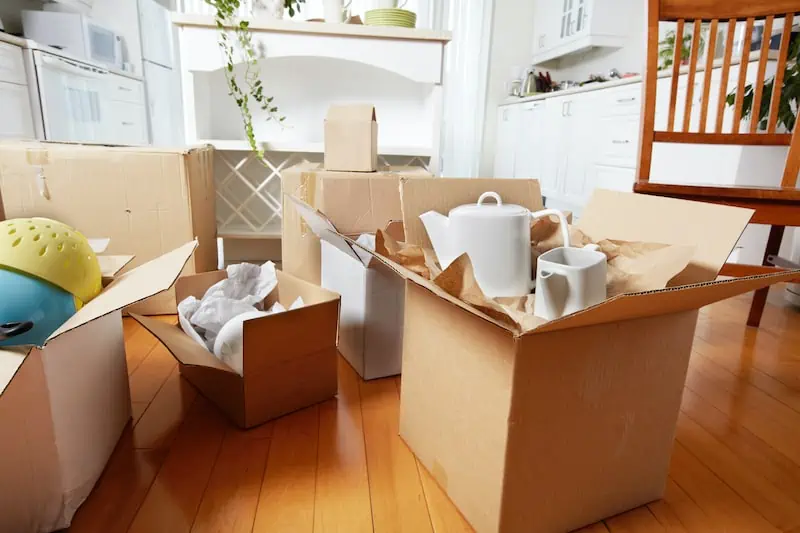
Moving is a great opportunity to go through everything you’ve collected since you moved into your current place. The less stuff you have to move, the cheaper and quicker it will be.
If you’re trying to lower your environmental impact, give yourself plenty of time for this step. That way, you’ll be less likely to toss stuff in the trash just to be rid of it, and instead, you can sort and dispose of anything you need to in a more eco-friendly way.
To start, create separate piles for items that you want to sell, donate, and throw out. You can label a few boxes or designate specific spots for each category.
Don’t wait until the last minute to deal with donations, either. Many charity organizations offer free pickups for furniture and other large items as long as you schedule in advance. It saves you a trip, and because the driver usually has multiple stops, it reduces overall emissions.
When it comes to things that can’t be donated, sold, or given away, consider recycling. It’s a great way to reduce your contributions to the landfill. You can recycle a variety of home goods, including:
- Carpeting
- Old mattresses
- Scratched CDs, game discs, and DVDs
- Stained or torn clothing or bedding
- Large and small appliances (dryer, microwave, etc.)
- Old electronics (cell phones, TVs, computers, printers, and stereos)
- Crayons and dry markers
- Ink cartridges
- Working and non-working holiday lights
If you have old paint, cleaners, or fertilizer lying around, don’t throw them out; they can cause serious environmental damage if they leach into the ground. Call your local hazmat office and ask where you can drop them off for recycling. You can also recycle hazardous items, including solvents, motor oil, and pesticides.
2. Plan a Carbon-Neutral Move
The average move involves a lot of driving, which generates more emissions than usual. b. That will help reduce your impact, but it’s not possible to cut out emissions entirely.
That’s where carbon offsets come in. These credits help pay for projects that reduce emissions or remove CO2 from the environment. You can buy them by the metric ton to effectively bring your moving emissions to zero. This strategy is called carbon neutrality.
How to offset your carbon emissions for a move
To start, calculate the emissions for your move. Multiply the average emissions per mile by the number of miles. The average moving truck creates 10-20 pounds of carbon dioxide (CO2) per mile, and a passenger vehicle creates about 400 grams of CO2 per mile. Talk to your rental company or check the manufacturer’s website for specifics.
Once you have a rough idea of your extra emissions, add 100-200 extra pounds per person. This helps cover the extra bags of trash you’re sending to the landfill over the course of a move. Or, go the extra mile and buy enough to offset your family’s entire carbon footprint beyond the move by using the EPA’s carbon footprint calendar to estimate it.
“In general, rental crates tend to be the most eco-friendly [packing] option. While plastic bins eliminate your personal cardboard waste, a rental crate can be used for about 500 moves.”
From there, offsetting your emissions is a breeze. All you have to do is buy offsets from organizations such as the United Nations carbon offset platform and Terrapass. The money helps pay for projects including reforestation, renewable energy, and green waste management, just to name a few. Carbon offsets cost as little as $1 per metric ton, and many programs even allow you to pick which projects to fund.
How to Find Eco-Friendly Movers
Working with sustainable movers is an easy way to reduce your emissions and plan an eco-friendly move. Look for companies that use planet-friendly practices. They might have a fleet of hybrid or electric moving trucks, for example, or provide reusable plastic bins for packing. Some movers even offer carbon offsets to make your life a little easier.
As you compare companies, keep an eye out for green credentials. Many eco-friendly movers belong to groups like the Climate Action Business Association. Others have certifications from organizations such as the Green Business Certification Inc. (GBCI).
3. Create an 8-Week Green Move Timeline
Whether you’re planning a carbon-neutral move or simply trying to reduce emissions, it’s important to start early. After all, finding eco-friendly supplies and figuring out what you can recycle and donate takes time. When you give yourself a longer runway, you’re less likely to get overwhelmed by the process.
Here’s a sample 8-week timeline for an eco-friendly move:
- Week 1: Start decluttering your home, separating items that can be donated, given away, sold, or recycled. Create a moving budget, and schedule your utility and service cancellations.
- Week 2: Photograph items you want to sell, and create listings. Research local recycling options for electronics, appliances, and other household goods.
- Week 3: Schedule large-donation pickups. Organize other donations by organization, and try to make all drop-offs in one trip. Pack documents and other important records, plan maintenance, and start changing your address.
- Week 4: Compare quotes from eco-friendly movers and book your date. Buy or rent reusable packing bins and biodegradable packing materials, and stock up on tape. This is also a good time to start working through the food in your house to reduce waste.
- Week 5: Start packing things you’re not using, such as holiday decorations, out-of-season clothing, and sporting goods.
- Week 6: Drop off recyclables at your local recycling center. Bring large waste items to a nearby Waste Management site or set out for curbside pickup. Continue packing clothing, toys, and non-essentials.
- Week 7: Forward your mail, and pack non-perishable foods. Start deep-cleaning packed rooms with non-toxic, biodegradable products. Pack the remaining rooms.
- Week 8: Confirm move details with your movers. Dispose of any remaining trash or recycling. Clean remaining spaces. Leave out essential items for moving day.
The key to stress-free green moving is to declutter and pack gradually. Tackle projects slowly, pack as you go, and you won’t need to rush before you hit the road. And for tips on what to do during and after the move, check out our green move checklist.
4. Packing Materials: Life-Cycle and Cost Comparison
Packing materials are the perfect opportunity to create a greener move. Your packing containers make up the bulk of the supplies you need, which means that they offer the biggest potential for reducing emissions and waste.
Here are 3 green options to consider:
- Cardboard boxes: While they’re affordable and readily available, cardboard boxes have the shortest life cycle of all packing containers. At about $1-$8 each, they also have a relatively high cost per use. Reduce your impact by finding used boxes, and if you must purchase new, look for options made from post-consumer recycled materials. After the move, make sure to give away or recycle the boxes to reduce CO2 emissions.
- Reusable plastic bins: Basic bins cost about $10-$20 each, but you can use them to store everything from holiday decorations to tools and off-season clothes. These bins can cut your carbon emissions by up to 29% compared to cardboard boxes. Plus, they stack easily in your moving truck, garage, or storage space.
- Rental crates: For the lowest emissions and cost per use, check out rental crates. These sturdy plastic crates can be used over and over again by multiple people, drastically reducing emissions. And if you rent a multi-bin package, the cost per bin is usually between $3 and $5.
The best option for you depends on your needs. If you have a lot of stuff to store and organize once you get to your new home, it’s simple to find uses for plastic bins. However, if your new place doesn’t have much space, rental crates are probably a better way to reduce waste. And if your top priority is cost-cutting, try to find free, gently used cardboard boxes.
Once you’ve settled on containers, consider the other materials you’ll need. Choose eco-friendly cornstarch peanuts instead of styrofoam peanuts, which don’t biodegrade (at least, not in our lifetime). You can also use recyclable bubble wrap or corrugated cardboard wrap. When it comes to tape, consider biodegradable paper tape made with a water-activated adhesive.
Comparing Eco-Friendly Packing Materials
| Packing Option | Lifecycle | Cost | CO2 Savings |
| Cardboard boxes | 1-2 uses, recyclable | $1-$8 per box | Low |
| Plastic bins | 5-10 years, recyclable | $10-$20 per bin | Medium |
| Rental crates | 3-5 years, recyclable | $3-$5 per crate | High |
In general, rental crates tend to be the most eco-friendly option. While plastic bins eliminate your personal cardboard waste, a rental crate can be used for about 500 moves. In other words, they prevent a lot of boxes from ending up in the landfill.
5. Zero-Waste Moving-Day Kit Checklist
If you’re serious about going green, a zero-waste move could be the right fit. Planning is key — when you’re prepared with a zero-waste kit, it’s easier to avoid disposable materials. Wait until the last minute, and you’ll be running to the store to stock up on boxes and plastic tape.
Here’s what to include in your moving-day kit:
- Rent reusable crates: Moving companies often rent reusable, heavy-duty moving crates that come in many shapes and sizes. When you’re done moving, simply return the boxes. Assemble the crates about 2 weeks in advance to make sure they’re ready to go.
- Sustainable crate labels: Rental crates may come with reusable labels. If not, look for biodegradable or compostable labels.
- Washable padding: Instead of disposable packing paper, pad your boxes with towels, sheets, or even pillows and clothes. You’ll save space, and you can simply wash the items after the move.
- Refillable cleaners: Transport the bottles during the move, and refill them at your new home to reduce plastic waste.
- Multi-use straps: Secure your stuff in the moving truck with ratchet straps. You can reuse the straps for camping, hanging gear, or securing a kayak to the top of your car.
A good money-saving tip is to pack as much as you can in empty drawers, laundry baskets, suitcases, tote bags, and other containers you already have on hand. Then, you can rent fewer crates and reduce the weight in the moving truck.
If crates aren’t an option, source free cardboard boxes from friends and local stores. Close them by interlocking the flaps rather than taping. Instead of plastic sheeting, cover mattresses and other large items with blankets, sheets, or a drop cloth.
6. Energy and Fuel Efficiency During the Move
If you’re hiring a moving company, you don’t have control over the road they take or how much fuel they use. Don’t worry — conserving gas boosts the bottom line, so moving companies plan their loads and routes carefully. When you’re booking through the HireAHelper platform, check out each company’s listing to find out if they use fuel-efficient hybrid or electric moving vehicles.
If you’re moving yourself, here’s what you can do to save on gas:
- Plan your route. Take a route to your new place that will use the least amount of gas. The best route may be the shortest, or it may be a longer one with less traffic congestion — and therefore, the fewest idling stops. Most traffic apps offer the option to filter by fuel-efficient routes.
- Make as few trips as possible. The fewer trips you need to take to get your stuff to your new place, the less fuel you’ll use and the more eco-friendly your move will be. The same logic applies when you’re dropping things off for recycling and donation.
- Optimize your load. When you’re packing, fill your containers as full as possible so you’ll need fewer of them. Pack your things in the vehicle(s) carefully to reduce wasted space. Efficient packing allows you to use a smaller truck with lower emissions.
You can also save on energy by turning off the HVAC during the move. Since your doors will be wide open while you’re loading boxes into the moving truck, turn off the heat or A/C to save energy. Keep the lights off when possible. If it’s extremely hot or cold outside, move everything close to the front door to speed up the process and keep everyone comfortable.
7. Post-Move Reuse and Recycling

A move isn’t really eco-friendly until you deal with the leftover boxes and packing materials. As you unpack each box, set the packing materials aside. Give usable boxes to friends, or put them up on a free online marketplace for people to claim. Some moving companies, including U-Haul, allow you to drop off used boxes for other people to take.
If the boxes are too beaten up to be reused, recycle them. Create separate piles for boxes that can be recycled curbside and boxes you’ll need to drop off. Remove tape from the cardboard before you break down the box.
Are you planning to set up a compost system in your new home? Many types of cardboard and packing paper are compostable, so you might be able to avoid recycling completely. Just make sure to shred them into small pieces before adding them to the pile. You’ll eliminate waste and help your new garden or flower beds grow.
A New Start: Sustainable Living in Your New Home
Now that you’re all settled in, take a deep breath, relax, and take a good look around your new place. Now’s the best chance to evaluate what you can do to reduce your carbon footprint and your utility bills as you settle into your routine.
Protect your air quality
Poor air quality in your home is bad for your health and for the environment. Keep your indoor air quality as high as possible by:
- Using eco-friendly wall paint: Paint is notorious for off-gassing volatile organic compounds, or VOCs, into your home. Plus, the production of conventional paint has serious environmental consequences. When it’s time to decorate, choose low-VOC paint, which is less harmful to the environment and your health.
- Switching to non-toxic cleaners: Conventional home cleaning products often contain toxic chemicals that can end up in our natural waterways and poison aquatic wildlife. Consider buying non-toxic cleaners or using vinegar and baking soda to get the entire place sparkling clean.
- Changing the HVAC filter: A dirty filter makes your HVAC system work harder, which uses more energy. Inspect your filter each month, and replace it when it’s dirty.
Conserve energy and lower your utility bills
The less energy you use at home, the better it is for the environment, and the lower your gas and electricity bills will be. Here’s how to conserve energy in your new home:
- Maintain your furnace and A/C. Your HVAC system is responsible for a large portion of your home’s energy consumption. Keeping it in tip-top shape can reduce your costs and emissions. Each year, schedule professional service for your furnace and AC.
- Install solar panels. Consider installing solar panels on your home. Solar power generates zero emissions during operation and cuts your electricity costs.
- Invest in ENERGY STAR appliances. When something breaks, replace it with an ENERGY STAR appliance. These efficient models can help you use up to 30% less energy and avoid 77,000 pounds of emissions over the product’s lifetime.
Conserve water
Less than one percent of the earth’s water is available for human use, so conservation is up to everyone. Here are some ways to do it at home:
- Install low-flow fixtures. These efficient fixtures can reduce your water usage by up to 30%. They’re easy to install, and they don’t affect the quality of your showers, the cleanliness of your dishes, or the force of your flush.
- Run the shortest cycles on the dishwasher and washing machine. Unless your clothes or dishes are heavily soiled, the shortest cycle will get them clean and save a lot of water.
- Re-think your lawn. Lawns are one of the worst offenders when it comes to environmental damage. Use less water and ditch the fertilizers and pesticides by switching to a low-maintenance xeriscape or native garden to help your local wildlife.
Finally get your household waste under control
Every year, the U.S. produces 12% of the world’s trash. With a recycling rate of just 32%, most of that waste goes to the landfill. There, it breaks down into methane, carbon dioxide, and other poisonous gases.
If you don’t already, start recycling. Other ways to reduce waste include:
- Going paperless: Opt for paperless bill paying, invoicing, and receipts. Then, opt out of junk mail.
- Composting: A backyard compost pile can dramatically reduce food waste. Food isn’t the only thing you can compost — toss in non-glossy paper, cardboard, natural fabrics, and wine corks.
- Buying in bulk: Food packaging makes up nearly half of all municipal waste, and it ends up in waterways and inside wildlife as microplastics. To reduce your contribution, buy your food in bulk, and bring your own bags to the store.
Frequently Asked Questions
What is a carbon-neutral move, and how do I plan one?
A carbon-neutral move happens when you reduce and offset the extra emissions created by your moving activities. You can plan one by reducing waste, using reusable plastic crates, renting fuel-efficient moving vehicles, and taking fewer trips. It’s also helpful to book low-emission movers on the HireAHelper platform. To make up for the remaining emissions, consider buying carbon offsets.
Where can I find eco-friendly movers?
Use HireAHelper to research eco-friendly moving companies in your area. You can read mover profiles and reviews on our platform that often mention a company’s commitment to green moving and the services they provide. Other ways to find green movers include:
- Researching individual moving company websites
- Calling local movers to ask about their environmentally friendly practices
- Contacting local sustainability groups for recommendations
As you compare moving companies, look for businesses that offer reusable rental crates, hybrid or biodiesel trucks, and paperless billing. Some movers also use route-optimization software to maximize fuel efficiency and cut emissions.
What moving companies offer eco-friendly moving options?
Moving companies that offer eco-friendly moving services include:
- Gentle Giant Moving Company (reusable supplies, recycling, biodegradable materials)
- U-Haul (rental crates, sustainable energy, box reuse)
- Green Van Lines (crate rentals, tree planting)
You can also find sustainable local movers through HireAHelper. Look at the company description and reviews to find information about green practices and fuel-efficient fleets.
How can I find electric or biodiesel moving trucks?
If you’re booking labor-only movers through HireAHelper, you can plan a green move by renting an electric or biodiesel moving vehicle. Penske and Ryder rent electric cargo vans. For small moves, you might be able to get away with a large electric pickup rental from a regular car-rental company. Biodiesel rentals aren’t as common, so you’ll have to check with local providers in your area.
What are the most sustainable packing materials?
When you’re planning an eco-friendly move, look for packing supplies that can be reused — or, if necessary, recycled. Reusable items are a great way to reduce waste. Recyclables have fewer emissions than disposable items, but they’re not completely green. The most sustainable packing materials are:
- Plastic packing crates or bins
- Washable padding
- Biodegradable or compostable packing paper and packing peanuts
- Recyclable paper tape
How do I assemble a zero-waste moving-day kit?
As you build a zero-waste moving kit, make sure to include rental moving crates, sustainable labels, and reusable packing materials. Instead of traditional disposable cleaning supplies, look for containers you can refill and reuse. Build the crates at least 2 weeks before the move, and if they’re not in the budget, consider getting free boxes from Facebook Marketplace or local buy-nothing groups.
How do I set up recycling and composting after I move in?
Once you get to your new home, check the city website for details about curbside recycling. If that’s not available, find the nearest recycling and hazardous waste drop-off centers. If you’re planning to compost, build a slatted wooden bin in the yard. Alternatively, invest in a compact indoor composter if your new place doesn’t have outdoor space.