

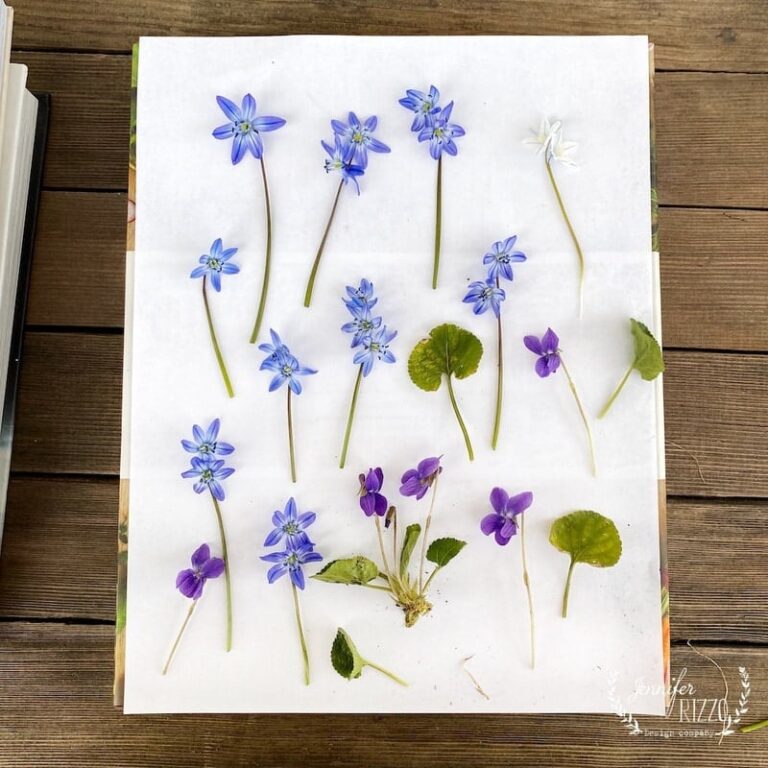

Have you ever bought a vintage book, flipped through it, and found a little treasure like long forgotten pressed flower; hand-picked and lovingly preserved? It really speaks to a small a special moment in time. It’s so easy to press flowers using books and preserve your own little blooms for crafting and creating and is a great way to dry flowers as well. Dried, pressed flowers can also be used in specimen collecting and garden/botanical journals. I recently gathered some blooming spring flowers, and I’ll have some projects coming up using them! While a wooden press can be used, or even a microwave press, my preferred method is a stack of old books. Check out the rest of this post for the tutorial of how to press flowers with books!
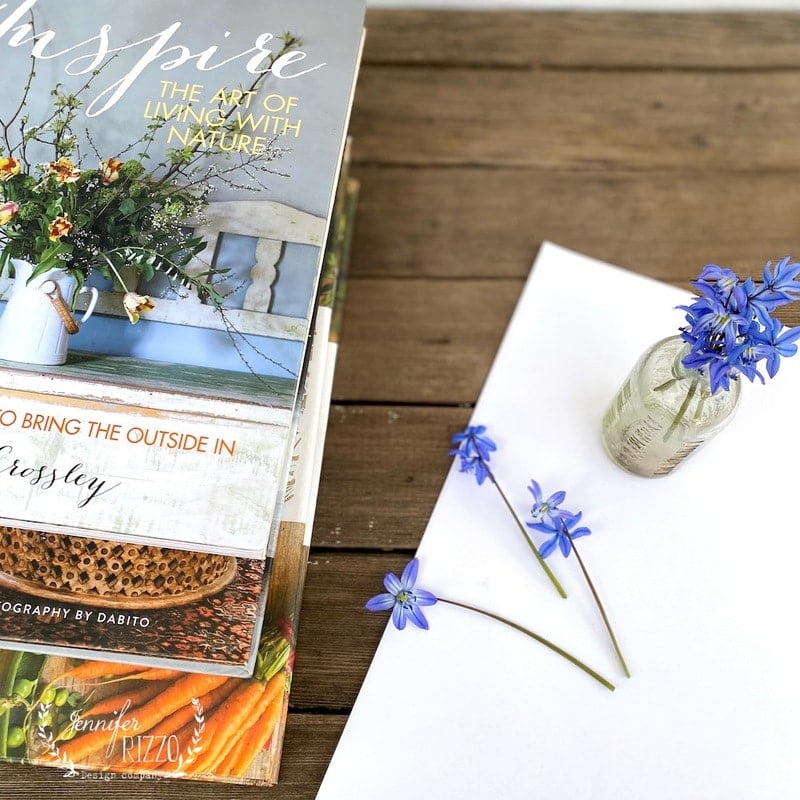
(This post contains affiliate links including Amazon affiliate links. See our sponsor and affiliate disclosure here.)
Supplies to Press Fresh Flowers:
-Fresh, gathered flowers
-Heavy books (coffee table books or old text books work well)
-Parchment or regular paper
You can find books and supplies for flower pressing and crafts here.
You can also watch a flower pressing video included in this post, or skip right ahead to the step by step images below:
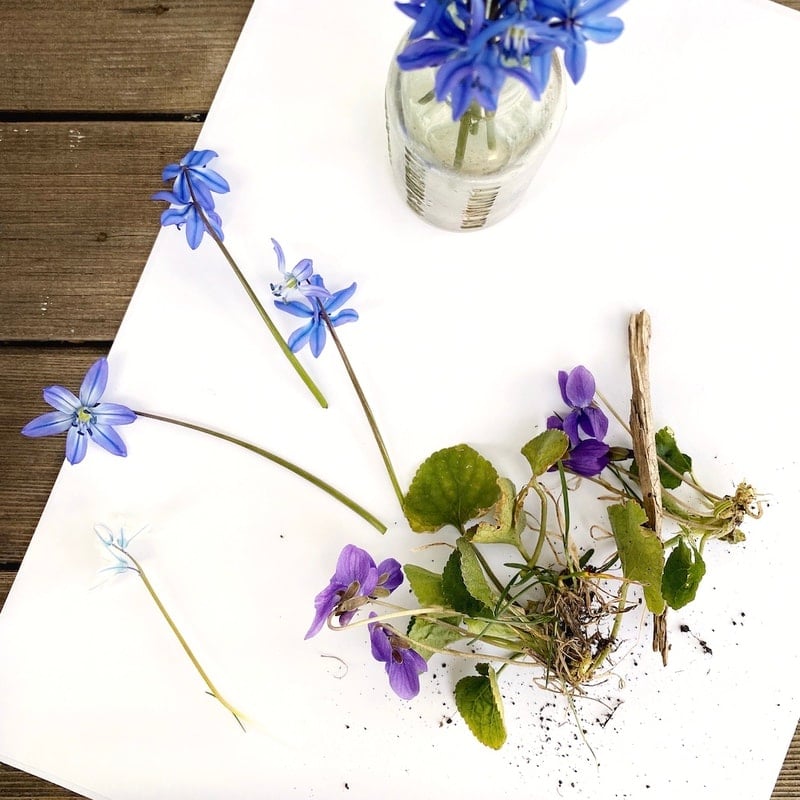
Start by Picking Flowers that Press Well
While you can press any flower, picking the right flowers matters. Thinner petaled, “less juicy”, single petal flowers tend to work better when you press flowers with books. Thicker flowers with a higher moisture content can actually go a little moldy, since they don’t dry fast enough. I started with the earliest spring flowers we had which are violets and blue squill. It helps to gather them by snipping them off with a pair of sharp scissors or a knife. If you are going to press the stem, make sure to clip it as close to the ground as possible. If you are only going to do the top of the flowers, snip it as close to the base of the head as you can. You can gather flowers from outside or even some thinner flowers from a store bought bouquet.
The Best Types of Flowers for Book-Pressed Flowers
the best flowers that “press well” are ones that tend to hold their color after pressed , will dry out and and won’t tend to mold when pressed. Single layer flowers such as cosmos, yarrow, lavender, violas, pansies, impatiens, poppies, zinnias, daisies, and shrub roses press very well. You can also extend beyond flowers and move into foliage. Ferns, some pines, leaves, and other greenery (if it’s thin), can be pretty additions to your pressed flower art.
See how you can use pressed flowers to embellish a vintage family picture in a frame in this post.

Make Flowers are Clean, Dry, Pest and Mold-Free
Before pressing flowers with heavy books, remove any stamens that are heavy with pollen and might stain your flower. Also pat dry if needed to remove any extra moisture like dew if gathered in the morning. You can press directly between book pages, but it’s best to use layers of absorbent paper such as a pressing paper like plain white paper to press between the book pages, or in a pinch use cardboard, printer paper, parchment paper, or even paper towels. I prefer parchment paper for flower pressing. Basically you are creating your own flower press!
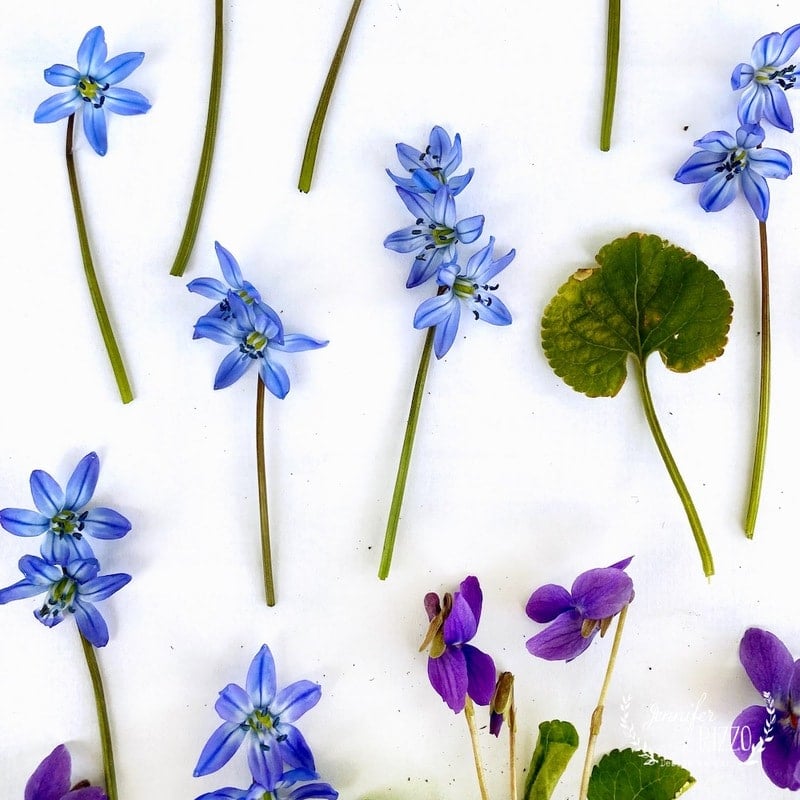
Layer the Pressing Paper, Books and Blooms
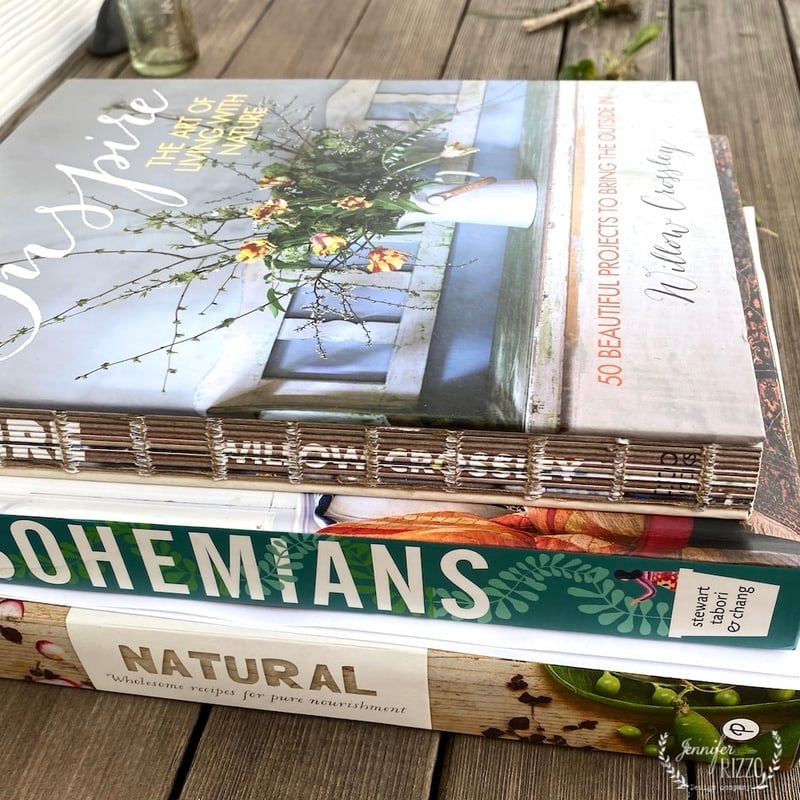
Start by placing a piece of parchment paper on a cookie sheet or wood board, place the flowers so there is space between them making sure not to over lap flowers, add a layer of parchment paper on the top, then add one of the large books for weight. Add another layer of paper, flowers then paper and a book. Repeat as needed building up 3 or 4 books high with a final top of the book last (or a heavy object like a brick on the last book to add weight.). Plus, any flower that are overlapping might be stuck that way when dried. Make sure there aren’t any wrinkles in the paper before pressing.
After they are pressed together, put them somewhere you can leave them be in a cool place your house for a couple of weeks, undisturbed. out of direct sunlight so the drying process can start That’s when the magic happens as they slowly dry out and flatted by the weight of the books.
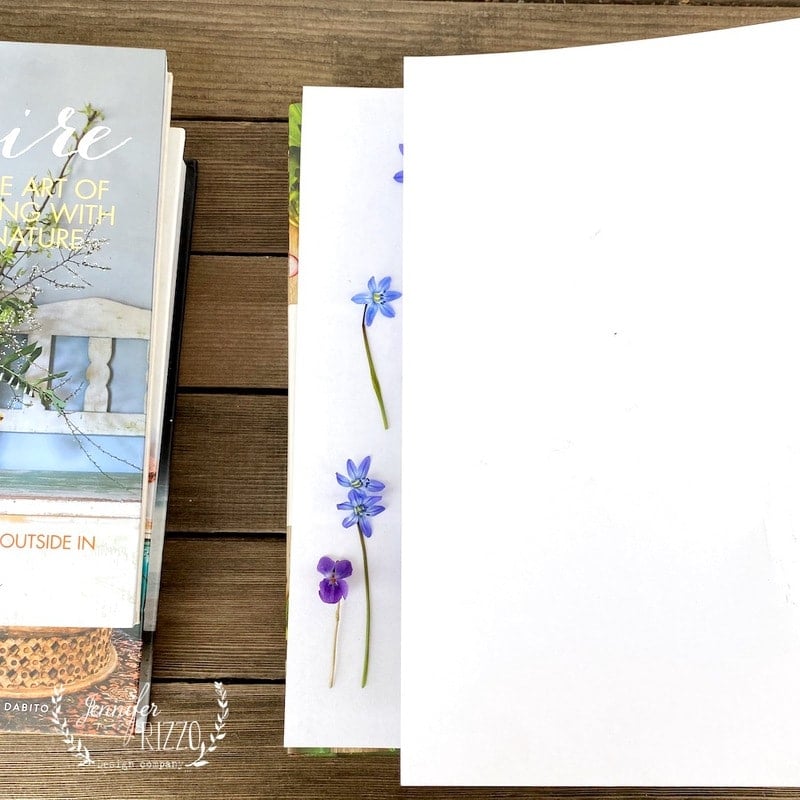
How Long Does it Take to Press Dried Flowers between Books?
How long the drying time takes depends on how much moisture the flowers have in them and how humid the air is. After setting it up the first day, leave them at least a couple of days to a week before checking them. At that time remove any flowers that might have mold on them, and replace extra paper if needed. The. book method does take some patience.
When Dried and Pressed, Carefully Lift the Books and Paper
Hopefully at this point, you should have perfectly pressed flowers! If they are flattened, but don’t seem dried out enough, you can leave them in open air to finish drying. It’s important that they are totally dry before storing so they don’t become moldy.
How to Store Dried Pressed Flowers
To store, use tweezers to pick them up as some will be vert delicate! Lay them carefully between sheets of parchment paper or even flattened coffee filters and place in an air tight container. I like to sandwich them between flat cardboard so they don’t become damaged before using them for a craft project. You can even throw in some of the little desiccant silica packets that seem to fall out of everything from shoe boxes to pepperoni to help keep them moisture free.
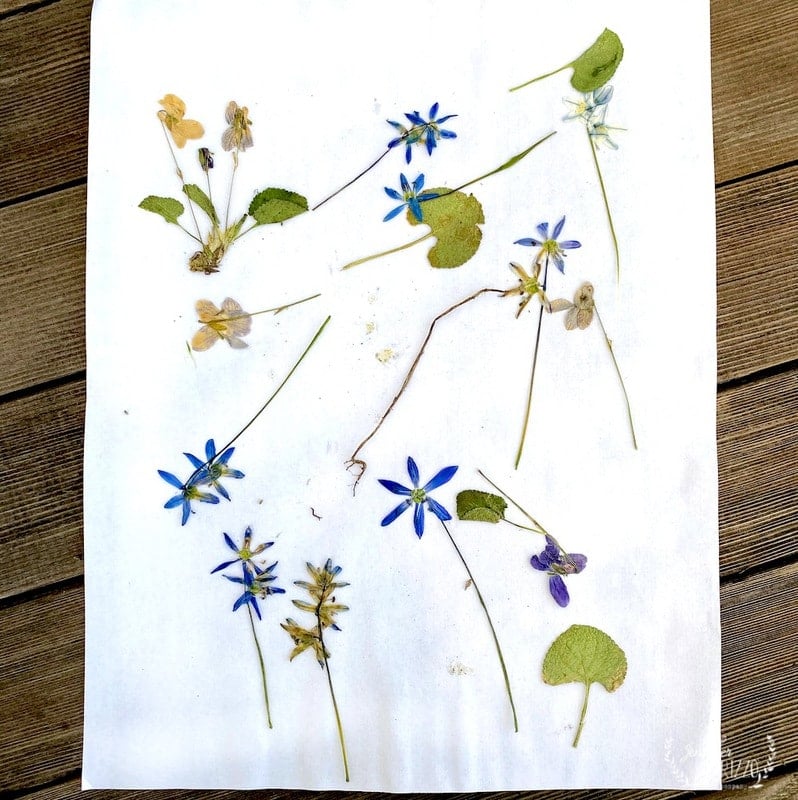
Use Pressed Flowers in Art and Craft Projects!
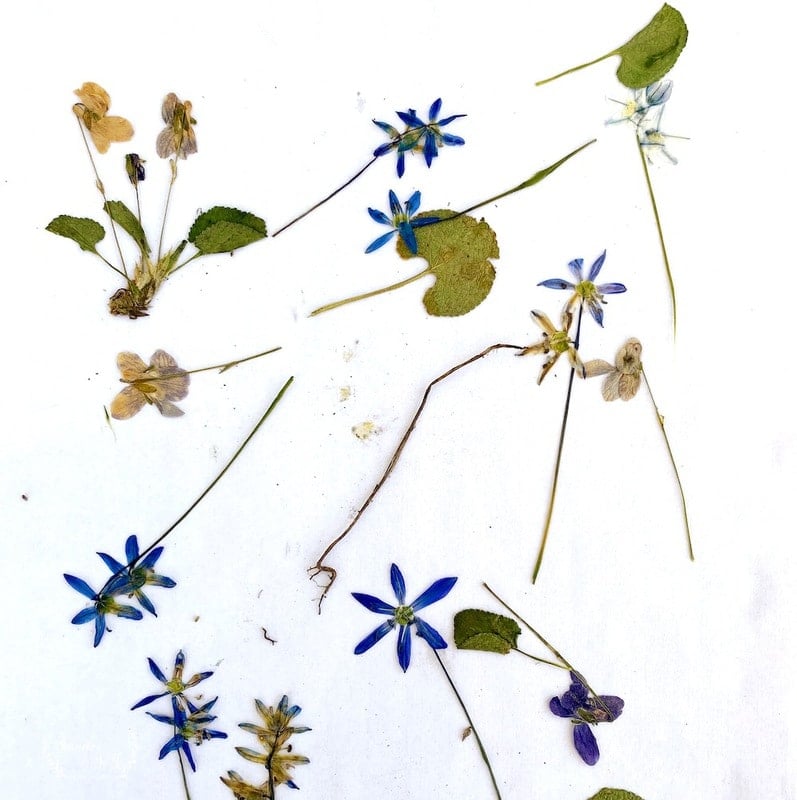
Then you are ready to create or use your pretty pressed flowers in all kinds of projects! They do have a delicate texture, so pick up with care (tweezers work the best!). Or, you can tuck them in a book for someone else to enjoy in the future! Dried, pressed flowers can be used to add a burst of color and create lots of projects including art, bookmarks, decoupaged projects, embellish journals, greeting cards and even decorate battery operated candles and Christmas ornaments!
If you love botanical art projects, see how we made:
Large scale botanical art prints,
Think outside of fall decor, and decorate pumpkins with dried flowers!
Fern art
free flower and bird printable,
or create a terrarium from a old clock case.