

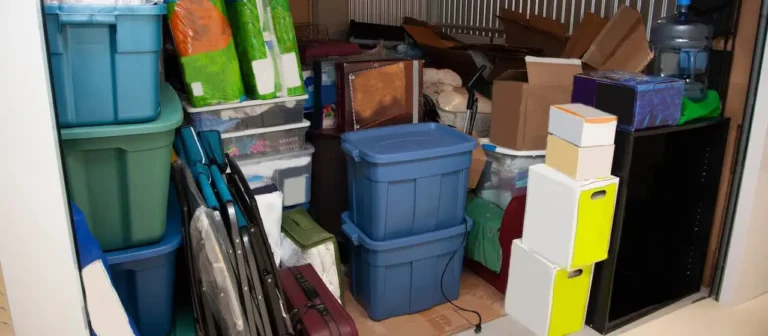

If you’re putting your stuff in storage while you’re moving or renovating, knowing how to store furniture in a storage unit is a must. Even your sturdiest pieces can be vulnerable to things like moisture and pests — store them incorrectly, and you could end up with a moldy mattress or a warped table.
Whether you’re storing everyday furniture or family heirlooms, a smart strategy can help you prevent damage, so you don’t have to spend money on replacements. In this guide, we’ll show you how to choose the right storage unit, prepare furniture for storage, and load everything in safely.
Evaluating Your Storage Needs
Before you do anything else, make a list of all the furniture you plan to put in storage. It doesn’t need to be fancy, but knowing everything you’ll need to put in the unit will save you time when you’re choosing a size and planning how everything will fit.
- Measure each piece: Write down dimensions to help you determine how much space you need. Keeping these notes on your phone makes them easy to reference later.
- Note special storage considerations: If your vintage sofa is too delicate to store standing up, for example, it’s probably going to take up more room.
- Determine your storage duration: If your furniture will be stored for more than a couple of weeks, consider how humidity, precipitation, and temperature swings could affect certain materials.
Selecting the Right Storage Unit
Now that you know what furniture you’re storing and how much space it will take up, it’s time to pick a unit size or moving container size that’s big enough to fit everything. Use your measurements to create a layout, making sure to leave room for air circulation and an access path. Keep in mind that some pieces of furniture, including sofas, can be stored vertically to save space. Though this is probably not a good idea if you’re using a moving container.
“If any of your furniture items have wood, fabric, or leather components, a climate-controlled storage unit is the safest option. These units feature specialized HVAC systems that maintain steady levels of heat and humidity.”
Unless you’re putting furniture in storage for just a few weeks or you’re storing sturdy, weather-proof items like patio furniture, yard decor, and sports gear, you’ll probably want a climate-controlled unit. Consistent humidity and temperature levels help prevent mildew, warped or swollen wood, and cracked leather.
You should also ask about security features as you’re evaluating different storage facilities. Furniture is expensive, so it doesn’t hurt to choose a unit that’s protected by cameras, alarms, and access gates.
Preparing Furniture for Storage
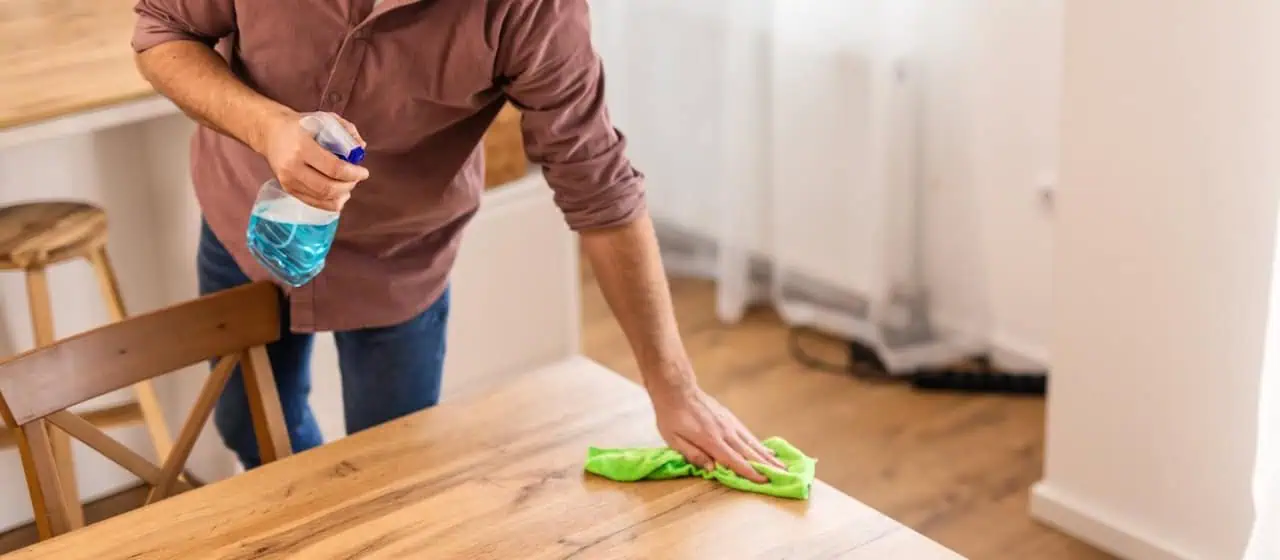
Clean your furniture a few days before you bring it to storage. Wipe down hard surfaces with a mixture of water and mild soap, and let it dry completely — even a tiny amount of moisture can turn into mold or mildew in a storage unit.
You can also help your movers transport furniture to your storage unit by disassembling bigger items. Take the legs off tables, remove drawers from dressers, and break down your bed frame. Then, label each part, and place hardware into clearly labeled plastic bags.
Although it might be tempting, avoid wrapping your furniture entirely in plastic. A bit of stretch wrap to keep moving blankets or drawers in place is okay, but because plastic isn’t breathable, it can cause moisture damage to the finish or the structure.
Storing Different Types of Furniture
There isn’t a one-size-fits-all approach to storing furniture. For maximum protection, adjust your packing and storage strategy to suit the type of material and the fragility of the furniture.
Wood Furniture
The biggest risks to wooden furniture in storage and moving containers are moisture and accidental surface damage. Moving pads can help on both fronts, since they’ll prevent moisture buildup better than plastic covers and will also guard against scratches and dents.
Here are the steps to take to store wood furniture safely:
- Coat wood with wax to keep moisture from seeping into the grain
- Wrap wooden pieces loosely with moving pads
- Secure pads with tape or a single layer of stretch wrap
Upholstered Furniture
Upholstered furniture is highly susceptible to mold and mildew in storage, especially if kept in place for a long time. Here’s how to prevent damage to your upholstered furniture:
- Vacuum thoroughly
- Use stain cleaner to treat discoloration
- Allow plenty of time for drying
- Wrap in moving blankets, old sheets, or blankets. Completely avoid any kind of plastic, including stretch wrap.
Leather Furniture
Before you move leather furniture into a storage unit, invest some time in upkeep. Otherwise, your expensive leather couch or chair will end up dusty, cracked, or molded. Here are the best steps to take for storage:
- Wipe with leather cleaner or a mix of water and vinegar
- Apply leather conditioner to prevent drying and cracking in storage
- Cover with blankets or dust covers
Glass and Fragile Items
If you have furniture with mirrored panels, glass tops, or other delicate components, blankets might not be enough to keep scratches at bay. Try this instead:
- Cover the glass with a layer of thick cardboard
- Remove glass panels, if possible
- Wrap panels in several layers of packing paper and bubble wrap
Packing and Stacking Strategies
Once your furniture is clean, dry, and wrapped, you’re ready to store it. If space allows, do a test run at home. Recreate the storage unit by outlining the perimeter on your floors with tape, and experiment with different configurations of furniture to find the best fit.
Use these furniture storage tips for safe, space-efficient packing:
- Store sofas vertically to save floor space
- Don’t stack too much weight to prevent frame damage
- Leave space between each piece of furniture for airflow
- Position furniture away from the storage unit walls
Even in a climate-controlled unit, it’s a good idea to lift furniture off the floor using wooden pallets. You can also elevate smaller pieces using industrial shelving units.
As you place each piece in the storage unit, shake it gently. If it wiggles too much, adjust it to reduce the risk of tipping and shifting.
Additional Protection Methods
If you own high-quality furniture, you might want to invest in extra protection. Breathable furniture covers and wraps can keep dust and moisture away. Plus, they might stay in place more reliably than moving blankets.
If you’re especially worried about moisture, you can slip a few silica gel packs under your furniture covers to help absorb excess humidity and prevent mold from forming. You can also place moisture-absorbing canisters around the storage unit to draw out any excess water vapor.
Some parts of furniture, including corners and edges, are particularly delicate. Use extra padding to protect the edges of your coffee table or the wooden carvings on your antique nightstand. Quilted pads work well, but you can use any breathable fabric.
Climate-Controlled vs. Standard Units
One of the biggest decisions you’ll need to make when figuring out how to store furniture in a storage unit is whether to choose a standard or climate-controlled facility.
Standard storage units are a lot like an outdoor shed or an unheated garage — the conditions inside the unit depend on the weather. In other words, if it’s hot and humid outside, it’ll be hot and humid inside. These affordable units can help you save money, but they’re only a good idea if you’re storing plastic, metal, or patio furniture that’s not vulnerable to moisture and temperature swings.
“Clean your furniture…[by wiping] down hard surfaces with a mixture of water and mild soap, and let it dry completely — even a tiny amount of moisture can turn into mold or mildew in a storage unit.”
If any of your furniture items have wood, fabric, or leather components, a climate-controlled storage unit is the safest option. These units feature specialized HVAC systems that maintain steady levels of heat and humidity. They’re more expensive, but they provide extra protection for mattresses, upholstered furniture, wood pieces, and high-end items.
Comparing standard storage and climate-controlled storage for furniture
| Climate-Controlled Storage | Standard Storage | |
| Temperature Control | 55°F-80°F | Weather dependent |
| Humidity Control | 50-55% humidity | Weather dependent |
| Cost | 20-40% premium | $50-300 per month |
| Security | Cameras, alarms, gate access | Cameras, security gates |
Finalizing Your Furniture Storage Plan
Your furniture is an investment, which means it’s worth protecting. If you’re moving, understanding how to store furniture in a storage unit correctly can prevent costly damage to your prized pieces.
Storing furniture takes some planning, but the extra preparation is worth it. By selecting the right storage unit and preparing, packing, and placing furniture carefully, you can ensure that each item comes out damage-free and ready to use.
Frequently Asked Questions
How do I prevent moisture damage in a storage unit?
To prevent moisture damage to your furniture, choose a storage unit with both temperature and humidity control. You can also cover furniture with breathable pads and leave space for air to circulate between pieces. Desiccants such as silica gel can help remove excess moisture, too.
Can I store leather or upholstered furniture long-term?
You can store leather and upholstered furniture long-term with the right precautions. Make sure each piece is completely clean and dry, and condition leather items thoroughly. Then, wrap them in breathable covers to keep dust and moisture at bay.
Should I insure my stored furniture?
It’s always a good idea to insure your stored furniture with a separate storage insurance policy. Make sure it covers the full value of your furniture, especially for high-end pieces. Your rental or homeowners policy might cover part of the replacement, but rarely the full amount. Keep receipts, document furniture condition, and take photos of each piece in case you need to make a claim.
What items should never be stored in a storage unit?
You should never store items that are hazardous and flammable in a storage unit or a SMARTBOX moving container because they pose a serious risk to the property. Most facilities also prohibit perishables and live animals for health and hygiene reasons. It’s also a good idea to avoid storing sentimental or irreplaceable items. While the risk of fire, theft, and flooding is low, it’s still always a possibility.
How do I choose the right climate-controlled unit?
As you’re considering different climate-controlled storage units, ask about the facility’s standard temperature and humidity ranges. You can also ask how often units are maintained to determine if they’re protected against pests, leaks, and theft. Costs can vary, so make sure to shop around to find a unit that fits into your budget and needs.