

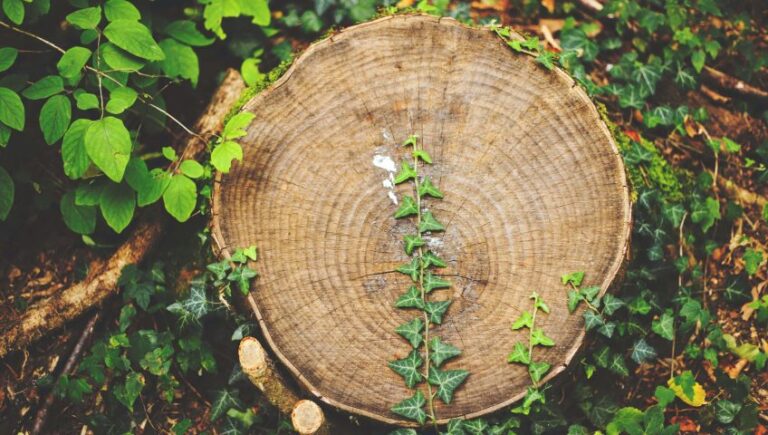

You had the tree taken down. The mess was cleaned up. Job done, right? Not quite. If there’s still a stump sitting in your yard, that leftover wood could be quietly causing problems you haven’t even noticed yet. From pest invasions to reduced home value, an old tree stump is rarely as harmless as it looks.
It Starts With the Roots
Even after a tree is removed, the roots stay in the ground. They continue to decay over time. As they break down, they create soft spots in the soil. This can cause the ground around the stump to sink or become uneven. Over time, you may notice dips in your lawn that weren’t there before. That uneven ground is a tripping hazard for kids, pets, and anyone walking through your yard.
The roots can also grow toward underground pipes and your home’s foundation. That’s a bigger problem than most homeowners expect. One of the renowned stump grinding services in Berks County, Merkel’s Tree Service, says that professional stump grinding “completely remove[s] stumps below ground level, allowing you to reclaim valuable yard space for new landscaping, play areas, or garden beds.” That kind of clean removal is what stops root-related problems before they start.
Pests Love Rotting Wood
A decaying stump is basically an open invitation to unwanted guests. Termites, carpenter ants, beetles, and other wood-boring insects are drawn to rotting wood. They don’t stay in the stump forever. Eventually, they move on to other structures nearby. That might mean nearby garden beds, a wooden fence, or even your home’s framing.
Fungi are another concern. Mushrooms and mold can spread from a rotting stump to the healthy trees and plants around it. If you notice unusual mushroom growth near an old stump, that’s a warning sign worth acting on quickly.
Your Curb Appeal Takes a Hit
First impressions matter, especially if you’re thinking about selling your home someday. A stump sitting in the front yard signals neglect to buyers. It can make an otherwise tidy property look unfinished. Landscaping is one of the easiest ways to improve how your home looks from the street. In fact, many of the simple home improvements that boost curb appeal start with cleaning up outdoor eyesores like stumps, overgrown shrubs, and damaged edging.
Removing the stump opens up usable space. You can plant fresh grass, add a garden bed, or simply enjoy a cleaner yard. That small change can make a noticeable difference in how your whole property looks.
Lawn Care Becomes a Headache
If you mow your own lawn, a stump gets in the way every single time. You have to mow around it, trim manually near the base, and watch out for exposed roots that can damage your mower blades. Over years, this creates uneven grass growth around the stump area. Weeds tend to fill in around the base too, making that corner of your yard look scrappy.
Grinding the stump down eliminates all of that. Your lawn becomes easier to maintain. The grass can grow back evenly. You stop wasting time working around an obstacle that shouldn’t be there.
What Happens When You Leave It Too Long
The longer a stump sits, the harder it can be to deal with. As wood decays, the root system spreads further underground. Sprouts can begin to grow from the base, meaning the tree essentially tries to grow back. Those new shoots pull nutrients from the soil and compete with nearby plants. Left unchecked, they can grow into a cluster of thin trunks that are harder to remove than the original stump.
The decay process also changes the soil around the stump. As organic matter breaks down, the ground becomes more acidic. That shift in soil pH can affect the grass and plants growing nearby, causing patches of yellowing or thinning turf that are difficult to explain or fix without addressing the root cause.
According to recent research, tree root systems can extend up to 20 feet deep and spread even further outward. If those roots are close to a sewer line or your foundation, continued decay increases the chance of structural damage. Tree roots are opportunistic. They follow moisture and can work their way into small cracks in pipes or concrete over time. What starts as a hairline crack in a sewer line can turn into a blockage or a break that costs thousands to repair.
Concrete driveways and walkways near old stumps are also vulnerable. As roots expand and decay beneath the surface, they can push upward and crack paved areas. That’s an expensive repair that a simple stump removal could have prevented years earlier.
What You Should Do Next
Start by assessing the stumps in your yard. How old are they? Have you noticed any mushrooms, insect activity, or soft ground nearby? Those are signs that decay is already progressing.
If the stump is in a visible spot or near structures, getting it professionally ground is usually the smartest move. Grinding removes the stump and the top portion of the root system in one visit. It’s fast and leaves behind wood chips that can be used as mulch.
For stumps in low-traffic areas, you can monitor them closely. But if you’re noticing pest activity or fungal growth, don’t wait. The cost of stump grinding is almost always much lower than the cost of treating a termite problem or repairing a damaged foundation.
Your yard deserves to look and function its best. Removing that old stump is one of the simplest ways to get there.