

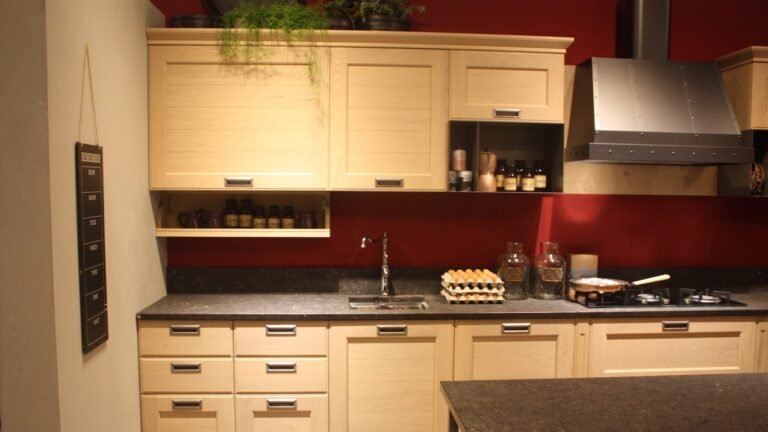


Solid kitchen cabinet doors have one advantage: they hide everything behind them. Dishes, glasses, cookware, and clutter disappear when the doors close. But in kitchens filled with long rows of cabinets, that same feature can leave little room for display.
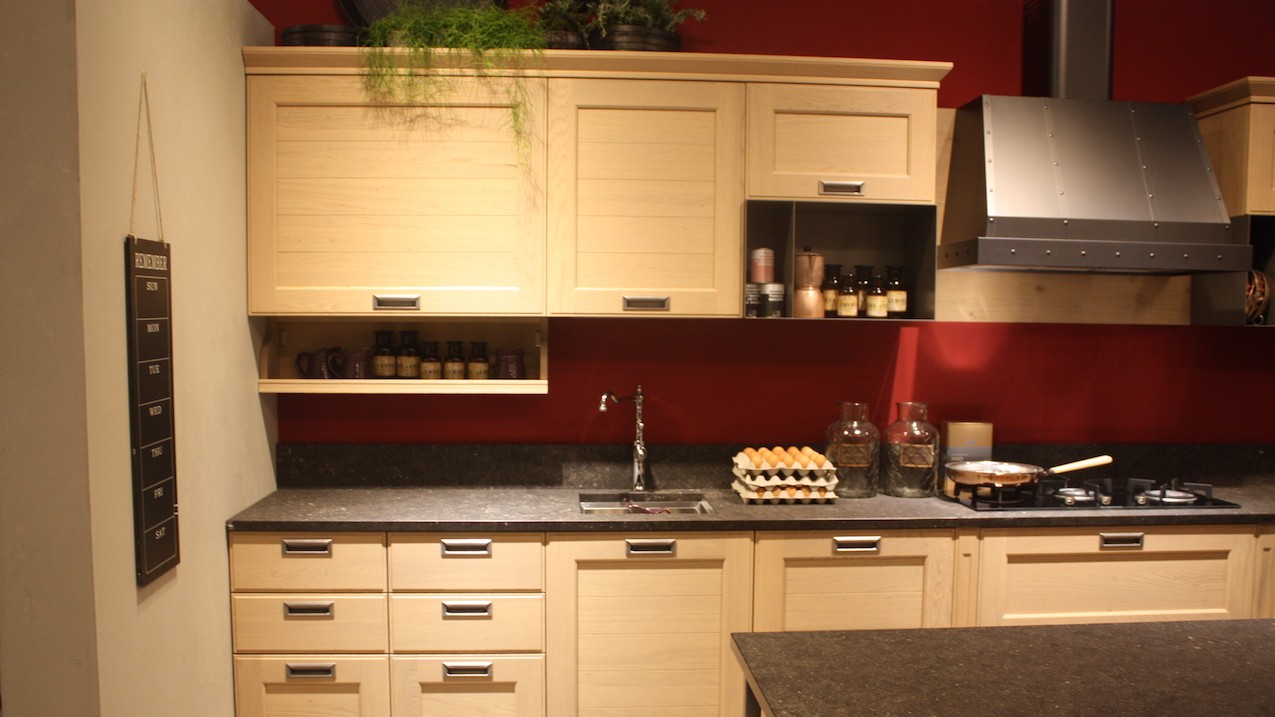
Glass-front cabinets offer another option. Instead of removing the doors to create open shelves, designers are using glass to reveal selected storage areas while keeping their contents enclosed. Some cabinets display dinnerware through clear panels, while others use textured glass and lighting to change how a wall of storage looks.
The change goes beyond traditional upper cupboards. Glass doors now appear in kitchen islands, full-height storage walls, and cabinets beneath countertops. Where designers put them matters as much as the type of glass they choose.
Glass Doors Break Up Walls of Solid Cabinetry
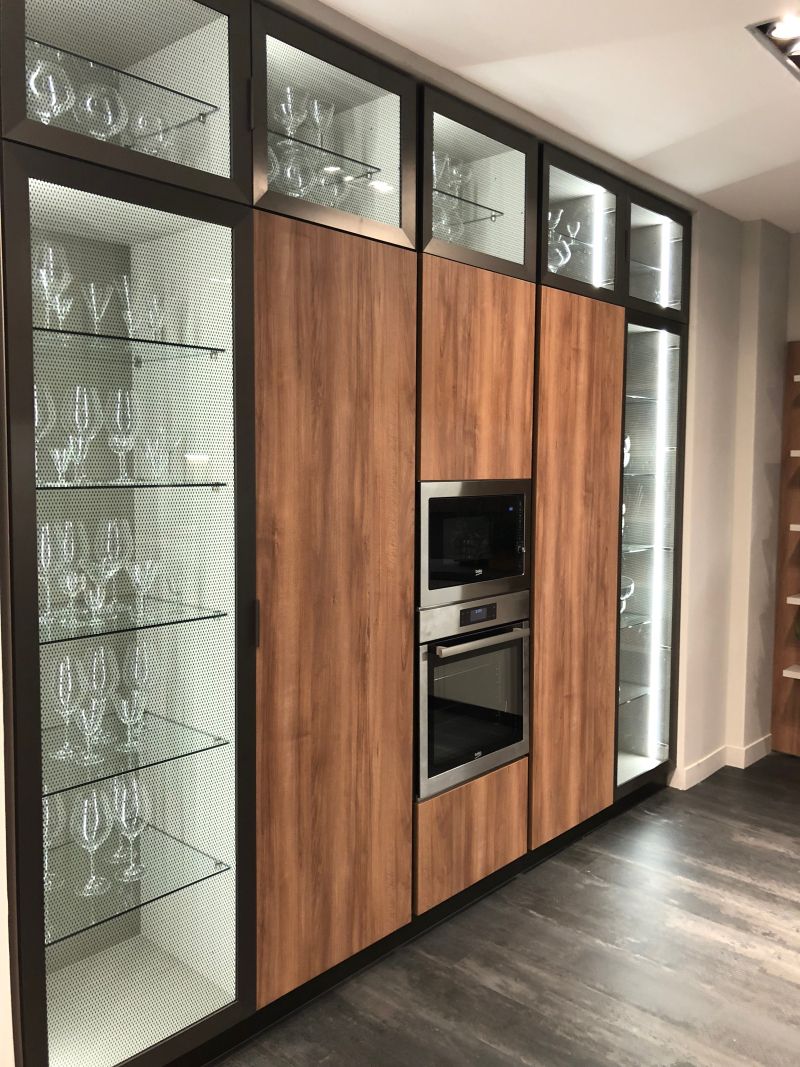
Floor-to-ceiling walnut cabinets surround a built-in oven and microwave, with illuminated glass display cabinets at both ends. More glazed compartments run across the top, holding rows of drinking glasses.
The contrast prevents the entire wall from becoming a continuous surface of wood panels. Glass shelves and interior lights create separate display areas without sacrificing the surrounding enclosed storage.
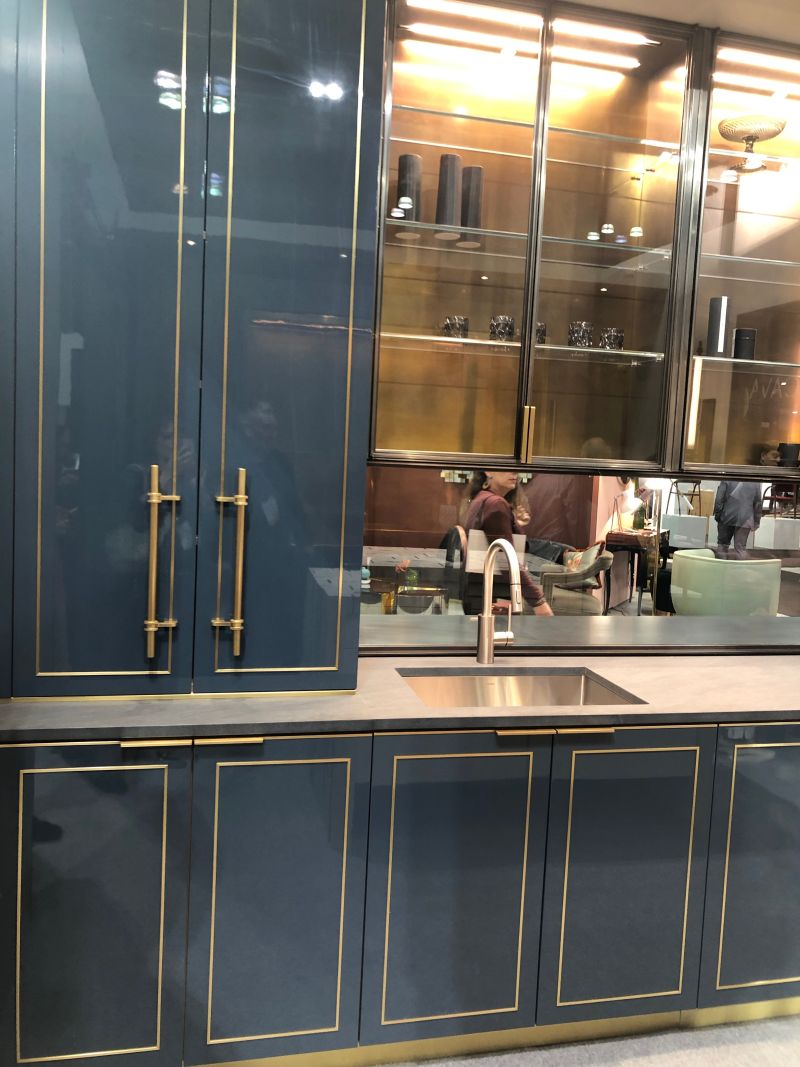
Dark blue cabinetry takes another approach. Thin gold outlines frame the solid doors, while the adjoining glass cabinet has illuminated shelves and a dark metal frame.
The contents become part of the design rather than disappearing behind matching cabinet fronts.
Kitchen Islands Are Becoming Display Cabinets
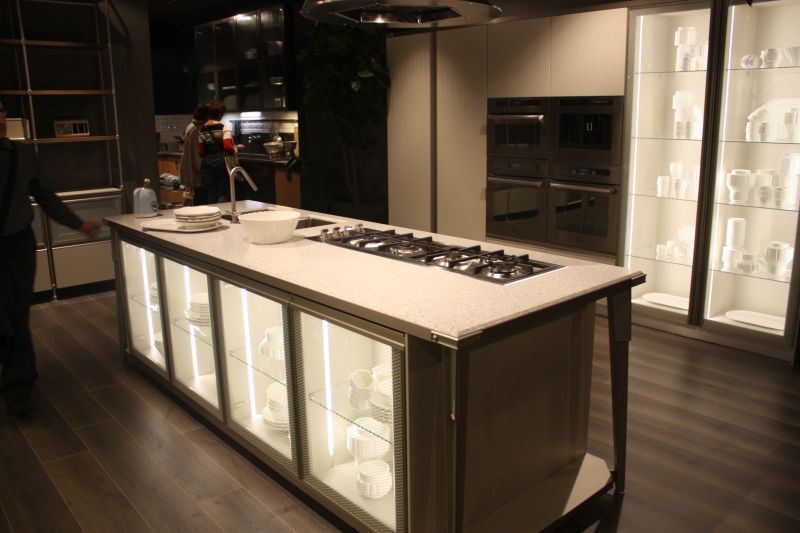
Instead of filling the island with solid doors, this kitchen uses illuminated glass panels along the side facing the room. White dishes sit on glass shelves beneath a worktop containing the gas hob and sink.
The island serves two purposes: cooking and food preparation above, with enclosed display storage below.
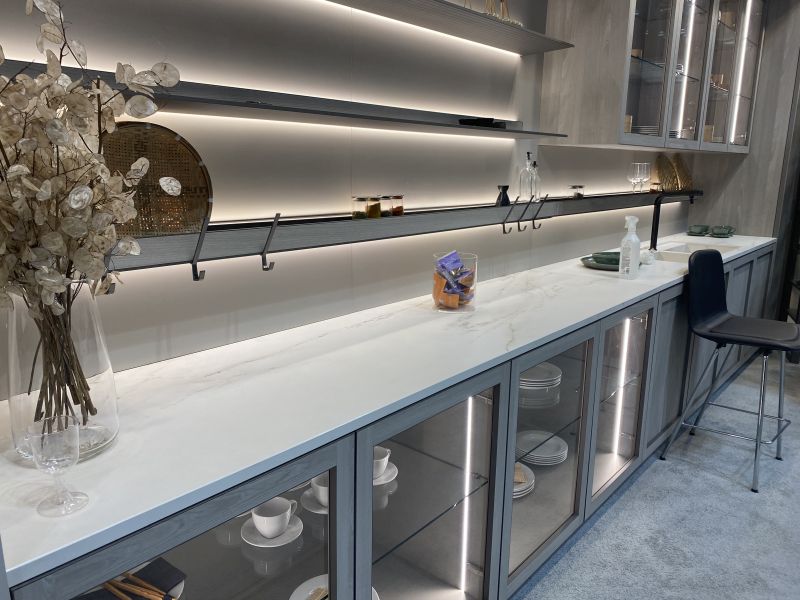
A long counter uses glass-front base cabinets for cups, plates, and serving pieces. Vertical lights illuminate the compartments, while slim wall shelves extend above the white worktop.
The arrangement offers visible storage without leaving the dishes exposed on open shelves. Glass doors also help reduce the dust and grease that can settle on uncovered kitchenware.
Textured Glass Hides Part of What’s Inside
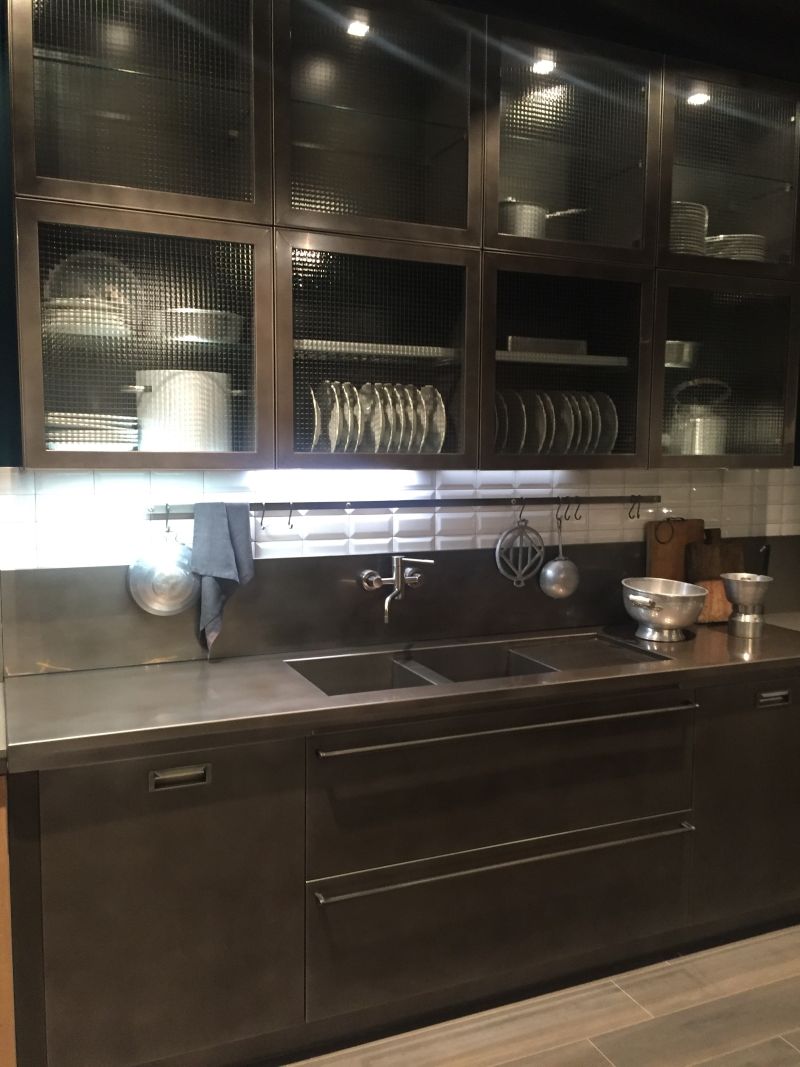
Dark metal-framed cabinets use patterned glass across the upper storage. Their grid-like texture softens the view of the dishes while retaining the outlines of the shelves.
Unlike clear glass, the patterned panels don’t expose every item in sharp detail.
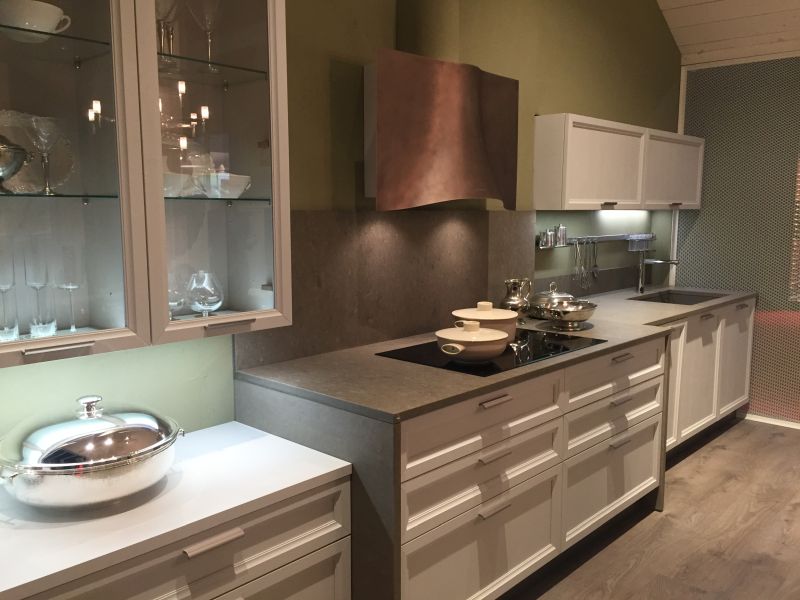
Another kitchen pairs dark metal cabinetry with textured glass above a stainless steel worktop and sink. Plates remain visible behind the glazing, while a rail beneath the cabinets holds cooking tools.
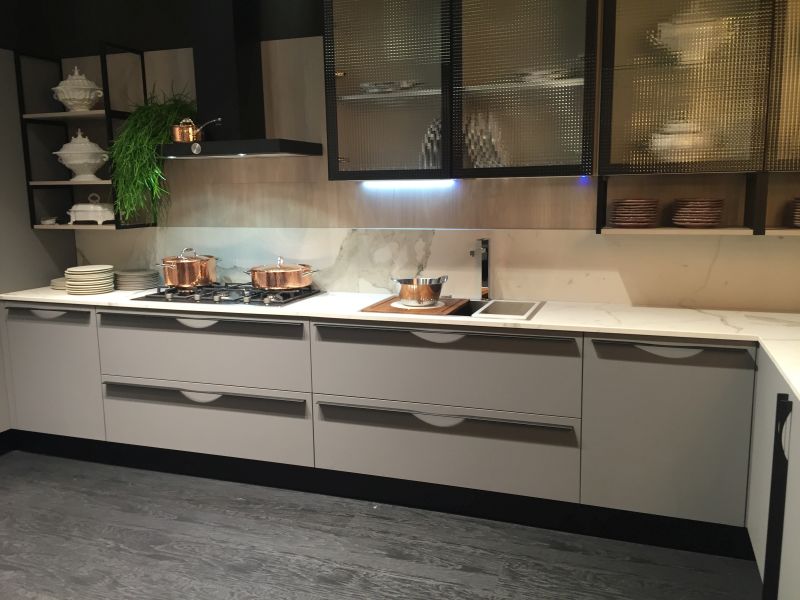
Here, pale lower cabinets contrast with dark upper units fitted with textured glass. White stone surfaces, wood wall panels, and open display shelves add other materials without requiring every cabinet to have the same front.
Frosted, reeded, and patterned glass offer different degrees of screening. They suit homeowners who want to see some contents without putting the full cabinet interior on display.
Interior Lighting Makes Glass Cabinets Part of the Room
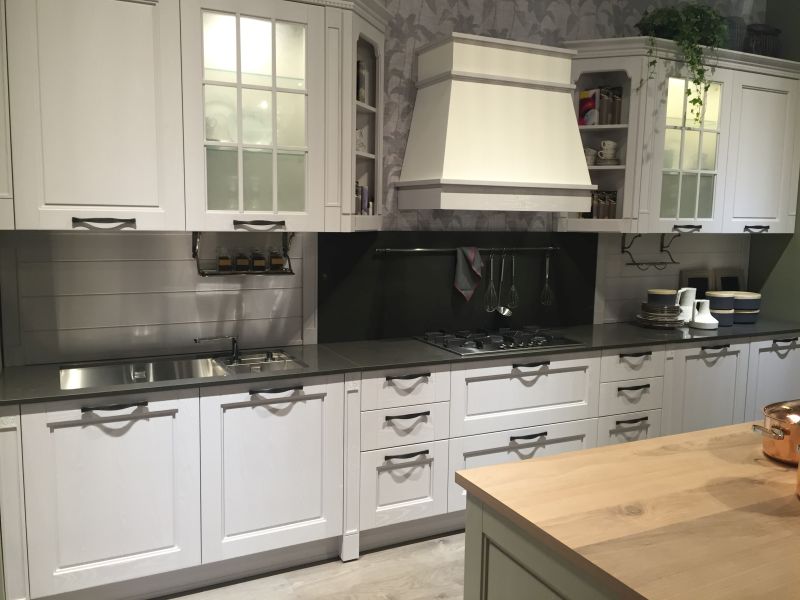
Dark framed glass doors reveal wood-lined shelves holding white dishes and glassware. Built-in lighting draws attention to the warm wood interior, creating contrast against the dark cabinet exterior.
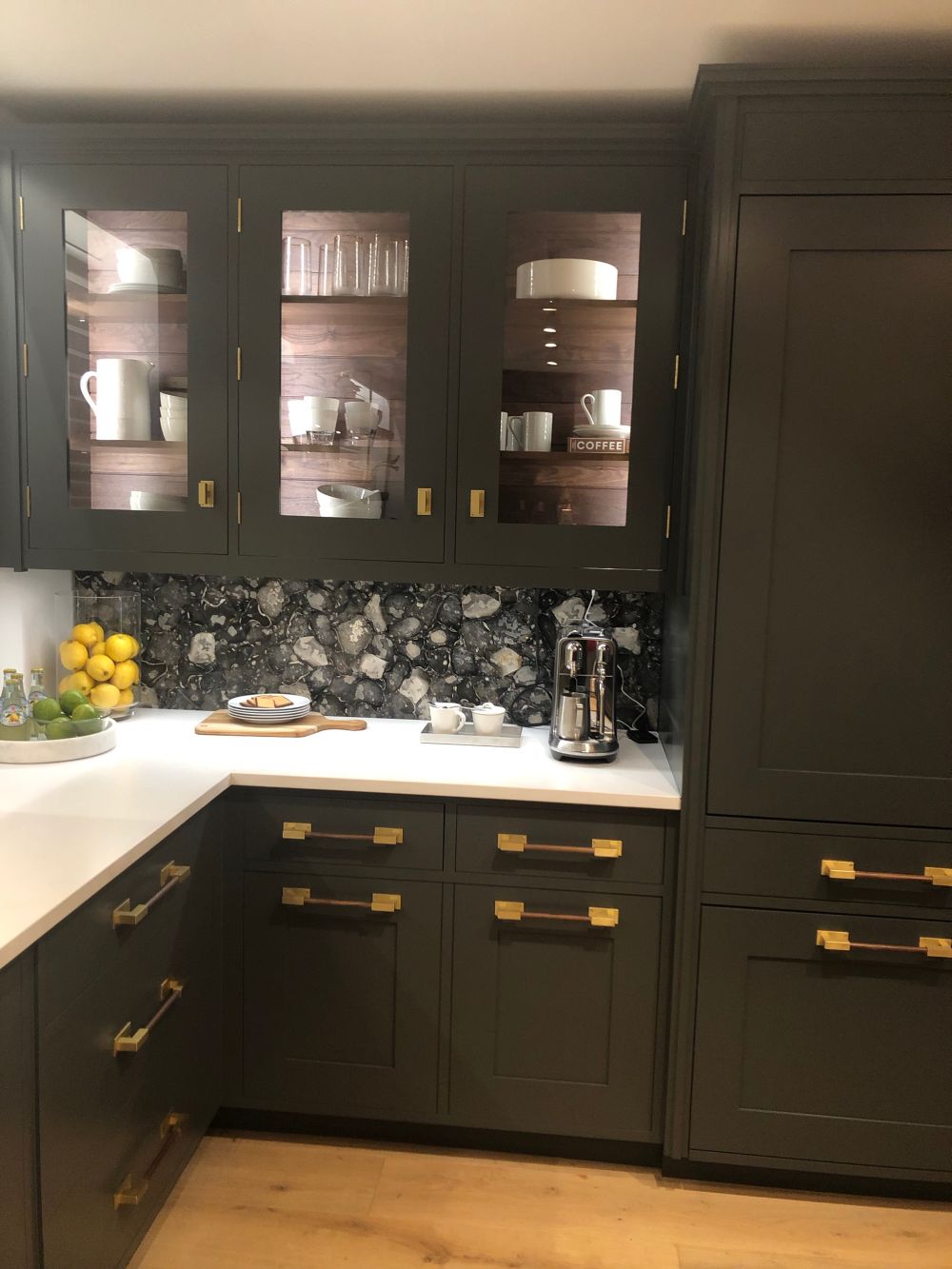
The full-height display section in this kitchen uses glass shelves, tall illuminated compartments, and glass-front storage beside solid doors. Light passes through the shelving rather than stopping at a closed wood panel.
Lighting is most useful when it reveals objects worth displaying. Glassware, serving bowls, and ceramics can remain visible after the main kitchen lights are switched off.
Traditional Kitchens Can Use Glass Without Losing Their Character
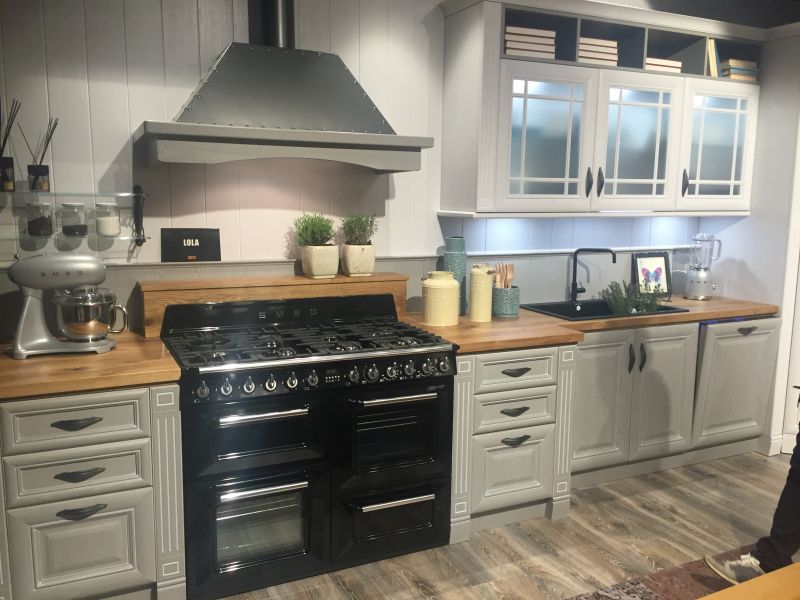
White framed cabinet doors with divided glass panes sit beside a broad decorative range hood. The glazed sections reveal plates and glassware, while surrounding solid cabinets conceal other kitchen items.
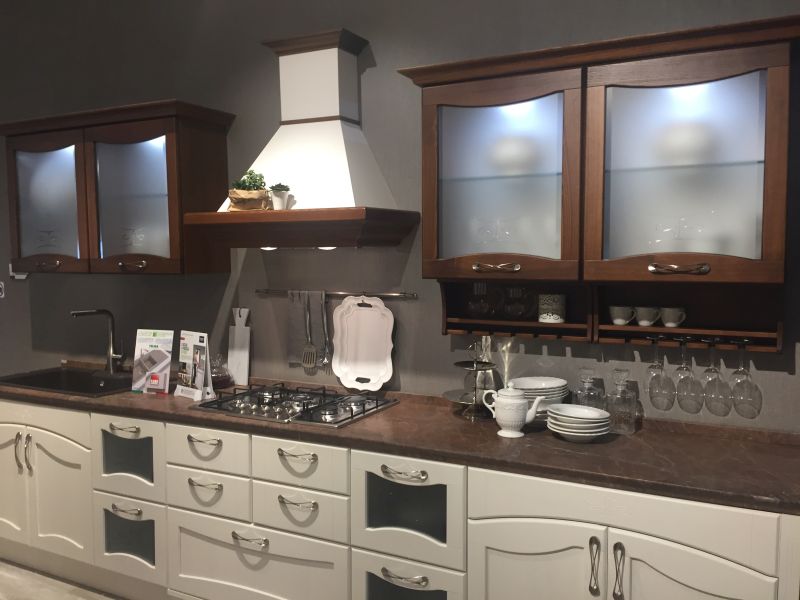
Curved wooden frames and frosted glass give these upper cupboards a different appearance from the cream lower doors. A dark countertop, wall-mounted utensil rail, and hanging wine glasses occupy the space between them.
Glass doesn’t require slim metal frames or a modern cabinet design. The door material can change while traditional moldings, curved fronts, and decorative handles remain.
Would you replace some of your solid kitchen cabinet doors with glass, or keep your storage hidden? I prefer a mix of both.